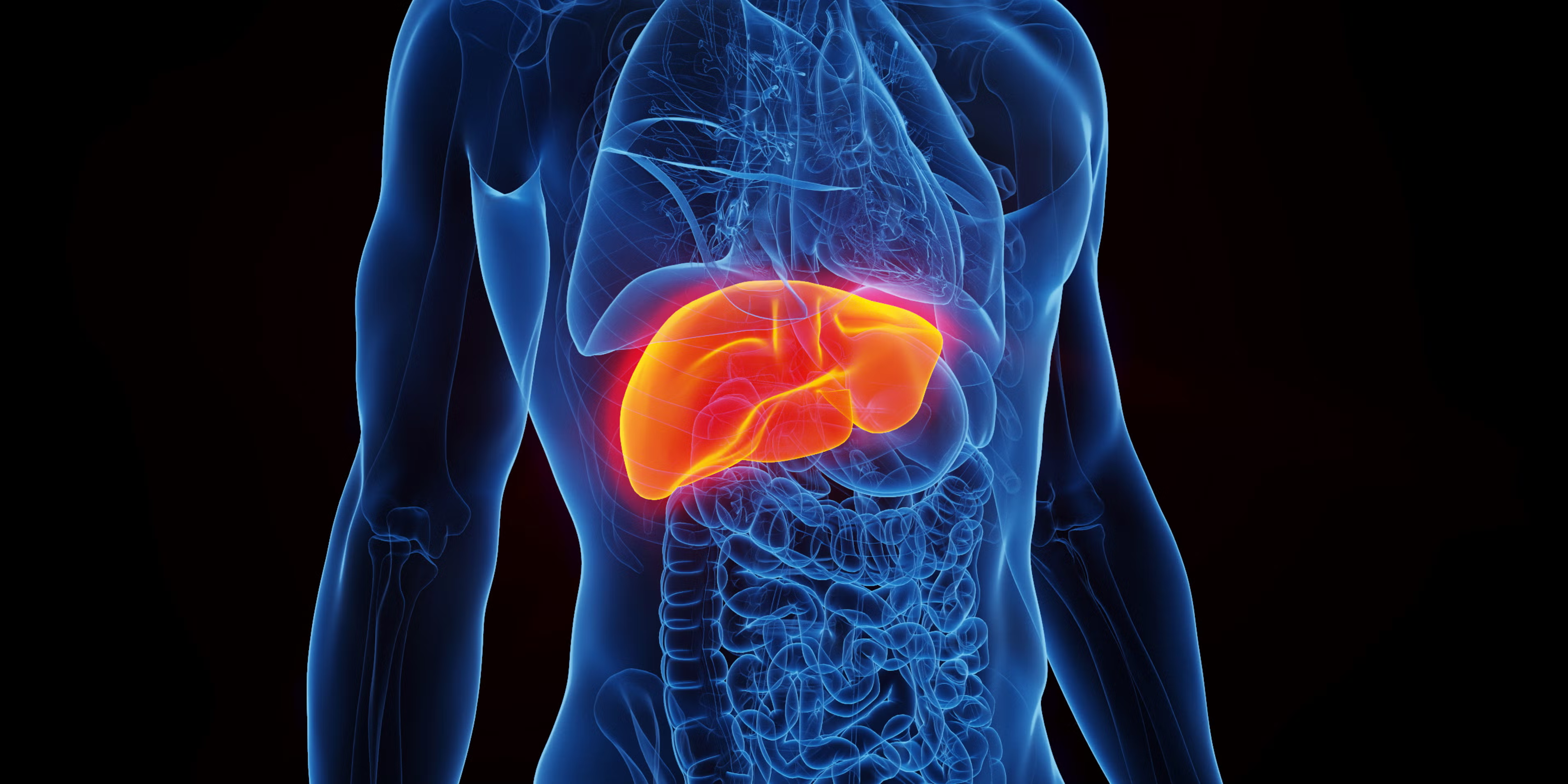
Let's be honest: the wellness industry has sold us a lie. Herbal detoxes, liver cleanses, and mysterious 'detox' supplements line store shelves with promises to rescue our livers from the damage we've supposedly done to ourselves. But according to Richard Sterling, MD, a hepatologist at Virginia Commonwealth University, these products are pure marketing fiction. 'That's not something we as hepatologists recommend,' Dr. Sterling says bluntly, 'and I'm not aware of any data that say that that works.' Meanwhile, some herbal supplements—particularly kava and herbal weight-loss supplements—can actually be toxic to your liver. We're literally paying to poison the organ we're trying to save.
The irony is that real liver protection is far simpler and cheaper than any supplement regimen. Your liver is your body's largest internal organ and a true multitasker: it filters everything you consume, regulates glucose, processes medications, and handles waste removal. It deserves respect, not snake oil. The good news? According to Rohit Loomba, MD, director of the MASLD Research Center at UC San Diego, 'In the last two decades, we've completely revolutionized the treatment of liver problems.' Fibrosis that hasn't advanced to cirrhosis can be reversed. Even cirrhosis can be stabilized. The FDA approved Rezdiffra, the first drug for treating advanced MASH, and in 2025 approved Wegovy for treating MASH in adults with moderate-to-advanced fibrosis.
But you don't need pharmaceuticals to prevent liver disease in the first place. The recipe is straightforward: lean protein, lots of produce, and minimal sugar. Exercise 150 minutes per week at moderate intensity to reduce liver inflammation and fat accumulation. If you're overweight, losing just 5 to 10 percent of your body weight could reduce liver fat by about 30 percent. Drink coffee—even decaf—as researchers suggest positive effects start at two to three cups daily. These aren't trendy interventions; they're evidence-based strategies that actually work.
Where alcohol is concerned, Dr. Sterling's recommendation is clear: the best amount for your liver is none. Realistically, limit yourself to one or two drinks and avoid drinking daily. And here's something critical: people carrying extra weight likely already have some liver damage, making their bodies worse at processing alcohol. This isn't judgment—it's biology.
The most important step? Get screened. A standard comprehensive blood panel measures liver enzymes, platelet count, albumin, total protein, and bilirubin. Include screenings for hepatitis A and B. Early detection matters because severe symptoms only appear when your liver is already failing. Dr. Loomba acknowledges that patients 'come to see me, they're really scared,' thinking liver trouble is a death sentence. It's not—but only if you catch problems early and make evidence-based choices. Skip the detoxes. Skip the supplements. Follow the science instead.