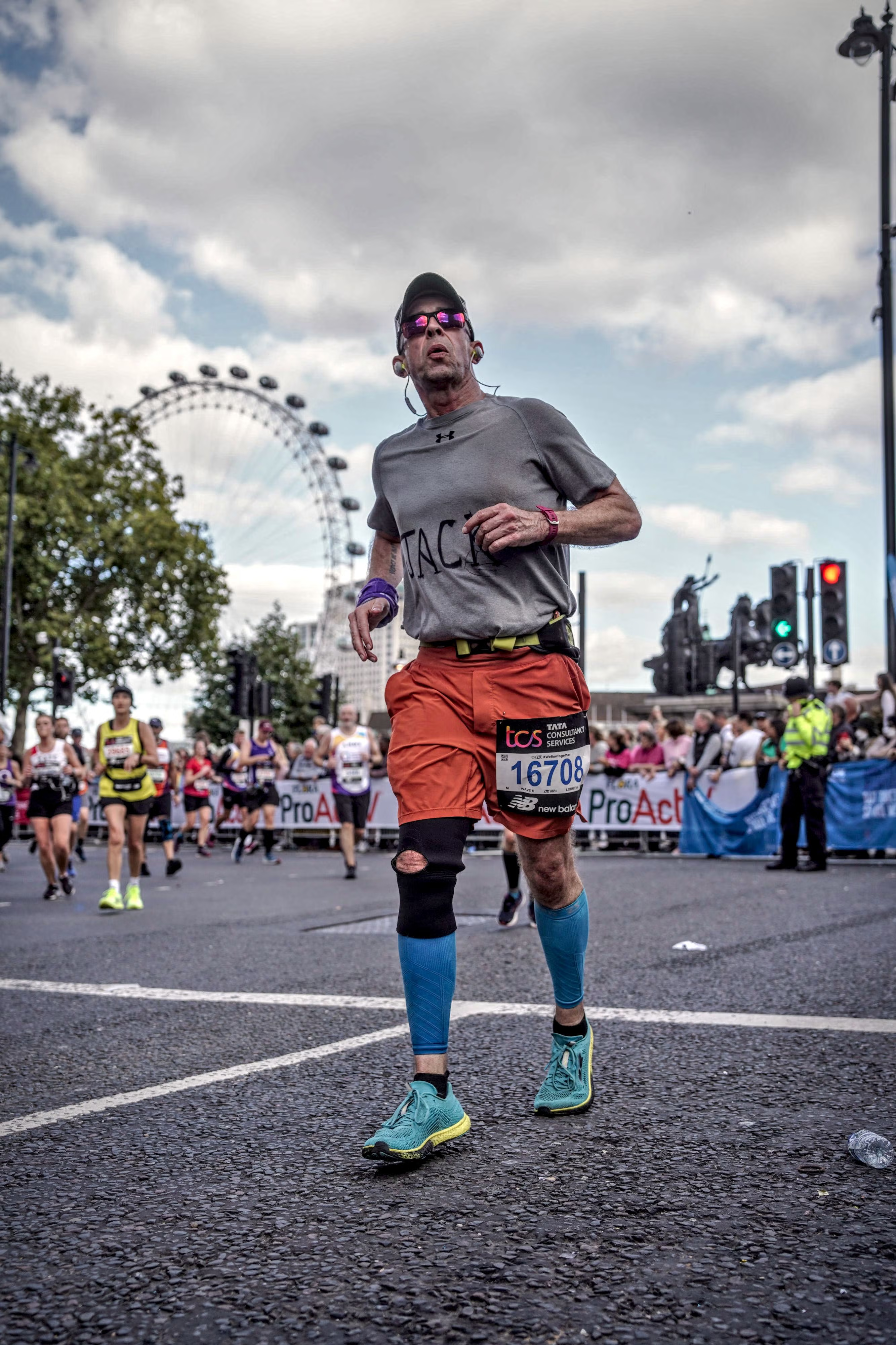
A runner in his mid-fifties thought his declining marathon times were simply the price of getting older. He watched his marathons creep up from low four hours to a whisper below five. He tried a vegan diet. He switched to forefoot running. The hills felt steeper. The joy supplanted by fatigue and frustration. Then an incidental lung scan—ordered because of his smoking history when young, after age eligibility criteria had been lowered—revealed an aorta twice its normal size. An aneurysm. A leaky aortic valve with leaflets riddled with holes. The aortic wall paper thin. The aneurysm had likely been there for a decade. What he attributed to age was actually a life-threatening condition that could have killed him at any marathon finish line.
This is a cautionary tale for fitness-obsessed people everywhere. We are prone to explaining away performance declines as overtraining, age, or simply needing a new training protocol. We double down. We diet differently. We buy new shoes. We rarely consider that our bodies might be sending distress signals that require medical investigation, not more grit. The runner's experience—requiring open-heart surgery at Massachusetts General Hospital in February, where surgeons removed his diseased aortic root and ascending aorta and replaced them with a synthetic graft and carbon valve—demonstrates how dangerous this assumption can be. The mortality rate was one in a hundred. During the procedure, his heart forgot how to beat entirely, seized by ventricular fibrillation, and had to be shocked back into rhythm four times.
What makes this narrative especially relevant to the fitness community is that conventional health markers masked the underlying crisis. This runner had no family history of cardiovascular issues. His resting heart rate was borderline smug. He hadn't had a drink in 27 years. He ate his vegetables. He was a longtime runner. By every standard measure of fitness culture, he appeared healthy. Yet none of these factors prevented an aneurysm from silently expanding for a decade while he attributed his declining performance to the inevitable march of time.
The lesson here transcends one person's medical drama. If you're experiencing unexplained performance declines—if races that once felt manageable now feel impossible, if the joy of movement has been replaced by fatigue and frustration, if you've tried every dietary and training adjustment without success—don't assume you're simply aging. Push for answers. Demand screening. Question whether your fitness metrics are telling the whole story. The runner's surgeon, the woman who held his heart in her hands, cleared him for cardiac rehab at six weeks, with three months of recovery ahead. He went from crushing miles to crushing naps, shuffling down hospital halls in grippy socks with a walker. That's the cost of ignoring what your body is trying to tell you.
Your declining 5K time might be overtraining. It might also be your body screaming for medical attention. The difference between these two scenarios could be your life.