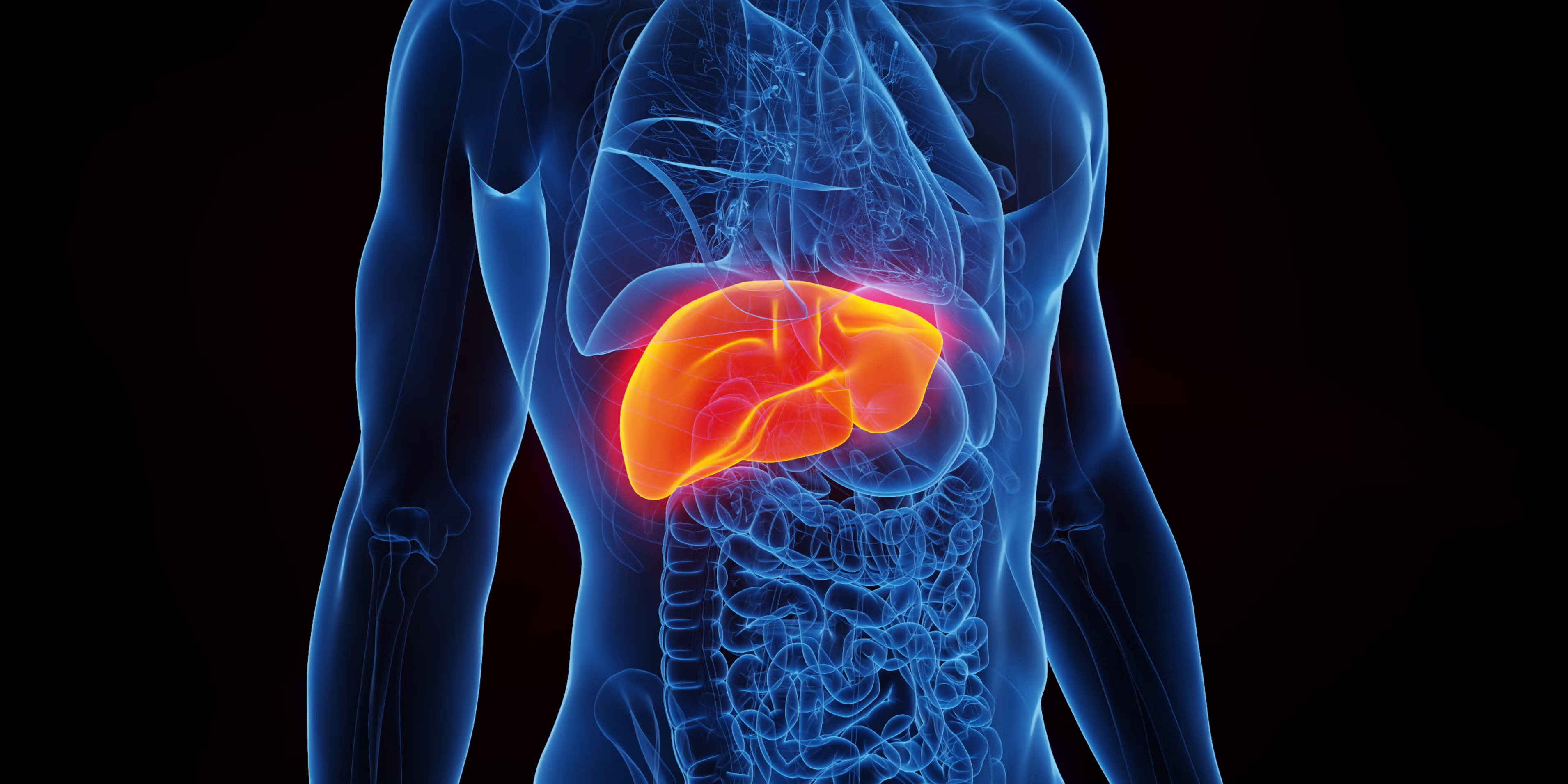
The liver filters and processes everything you consume, regulates glucose, and manages waste elimination. Three stages of liver disease progress from inflammation to fibrosis (scarring) to cirrhosis, where the organ functions less efficiently.
Hepatitis A, B, and C are the main viral causes in North America, though A is typically mild. Alcohol kills liver cells, and excessive drinking impairs the organ's function as fat accumulates. Metabolic dysfunction-associated steatotic liver disease (MASLD), a fatty liver caused by obesity and type 2 diabetes, affects about 30 percent of people worldwide.
Richard Sterling, MD, hepatologist at Virginia Commonwealth University, notes that severe symptoms like jaundice, abdominal swelling, and confusion appear only when the liver is failing. Earlier symptoms like fatigue are vague and difficult to self-diagnose. A standard blood panel measures liver enzymes, platelet count, albumin, total protein, and bilirubin, and screens for hepatitis B and C.
Rohit Loomba, MD, director of the MASLD Research Center at UC San Diego, says treatment has improved dramatically. Fibrosis not yet advanced to cirrhosis can be reversed by removing the cause. Vaccines and screening have made viral hepatitis less common, and new drugs treat hepatitis B and C effectively. The FDA approved Rezdiffra for advanced MASLD. Mounjaro showed effectiveness in treating MASH over one year in Dr. Loomba's research, and the FDA approved Wegovy in 2025 for MASH in adults with moderate-to-advanced fibrosis.
Eight evidence-based strategies support liver health. Eat lean protein, lots of produce, and little sugar. Exercise 150 minutes weekly at moderate intensity reduces liver inflammation and fat. Coffee, including decaf, at two to three cups daily may protect against fibrosis. Losing 5 to 10 percent of body weight reduces liver fat by about 30 percent. Limit sugar consumption, since excess converts to fat buildup. Work with a doctor on medications that may harm the liver, and watch acetaminophen use, which can damage the liver even at directed doses when combined with excess alcohol. Limit alcohol to one or two drinks and avoid daily consumption. Avoid unregulated herbal supplements like kava and herbal weight-loss products, which can be toxic. Dr. Sterling states that liver cleanses and detoxes are not recommended by hepatologists and lack supporting data.