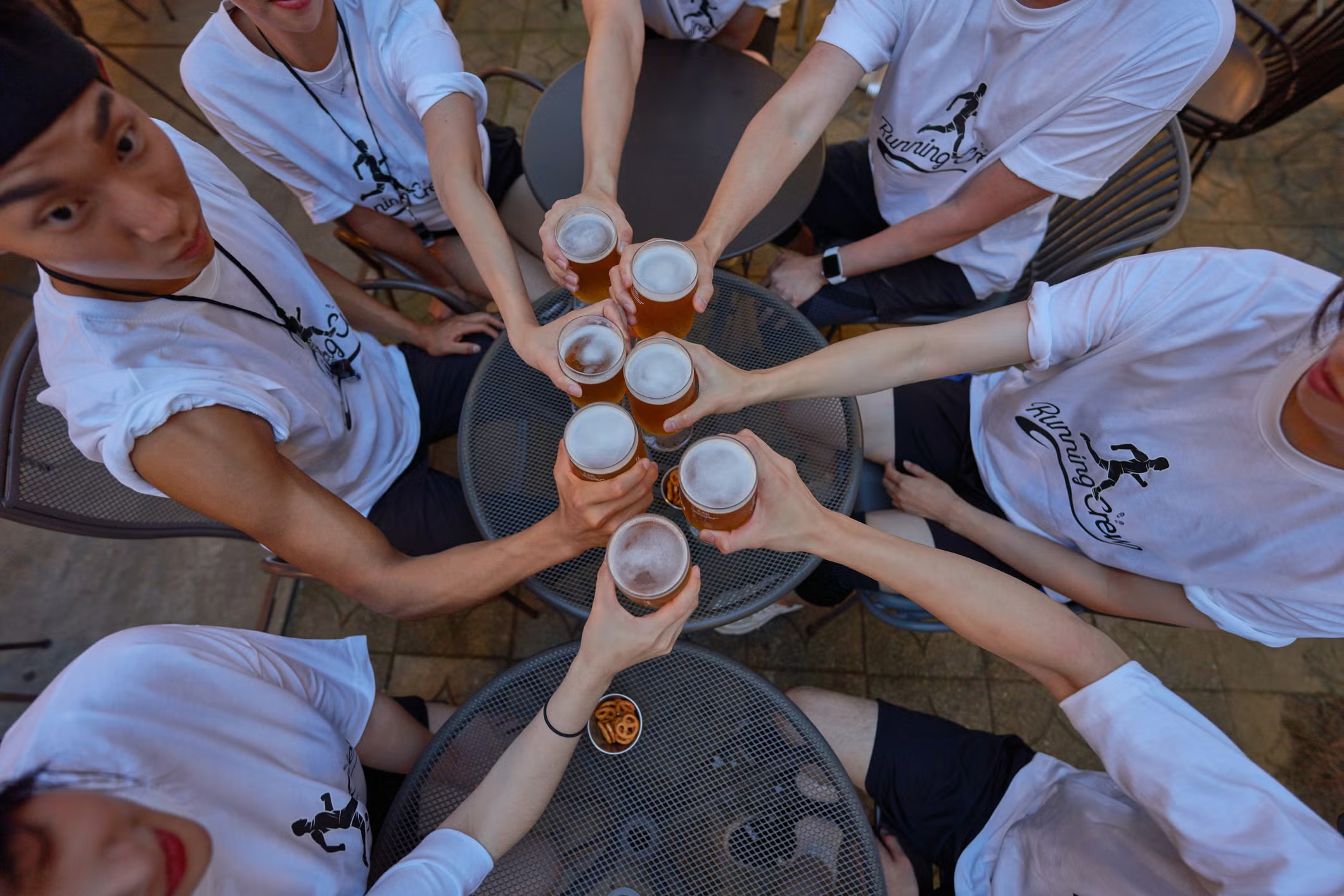
Alcohol consumed in the days before a key workout can harm your performance by disrupting sleep and hydration, even in small amounts. Sports dietitian Pam Nisevich Bede recommends avoiding alcohol for at least two days, ideally three, before an important run or race.
Alcohol reduces sleep quality by decreasing rapid eye movement (REM) sleep, which supports memory and focus, according to research cited in the report. Just one drink within an hour of bedtime can produce this effect. Ron Maughan, PhD, an honorary professor at the University of St. Andrews whose research covers alcohol's effects on athletic performance, explains that alcohol increases urine production and worsens hydration status before exercise. Starting a workout dehydrated makes it harder to perform well and reduces the workout's effectiveness.
The impact varies between individuals. Maughan notes that a small amount may have little effect on one person and a much bigger effect on another.
Bede suggests a practical planning strategy. Identify your most important workouts for the week, then work backward on your training calendar, targeting at least two alcohol-free days before each key effort, or three if possible. During particularly heavy training blocks, consider taking a longer break from alcohol altogether.
If you do drink, Bede recommends consuming additional fluids and electrolytes alongside alcohol. This won't cancel alcohol's effects but will support your recovery.