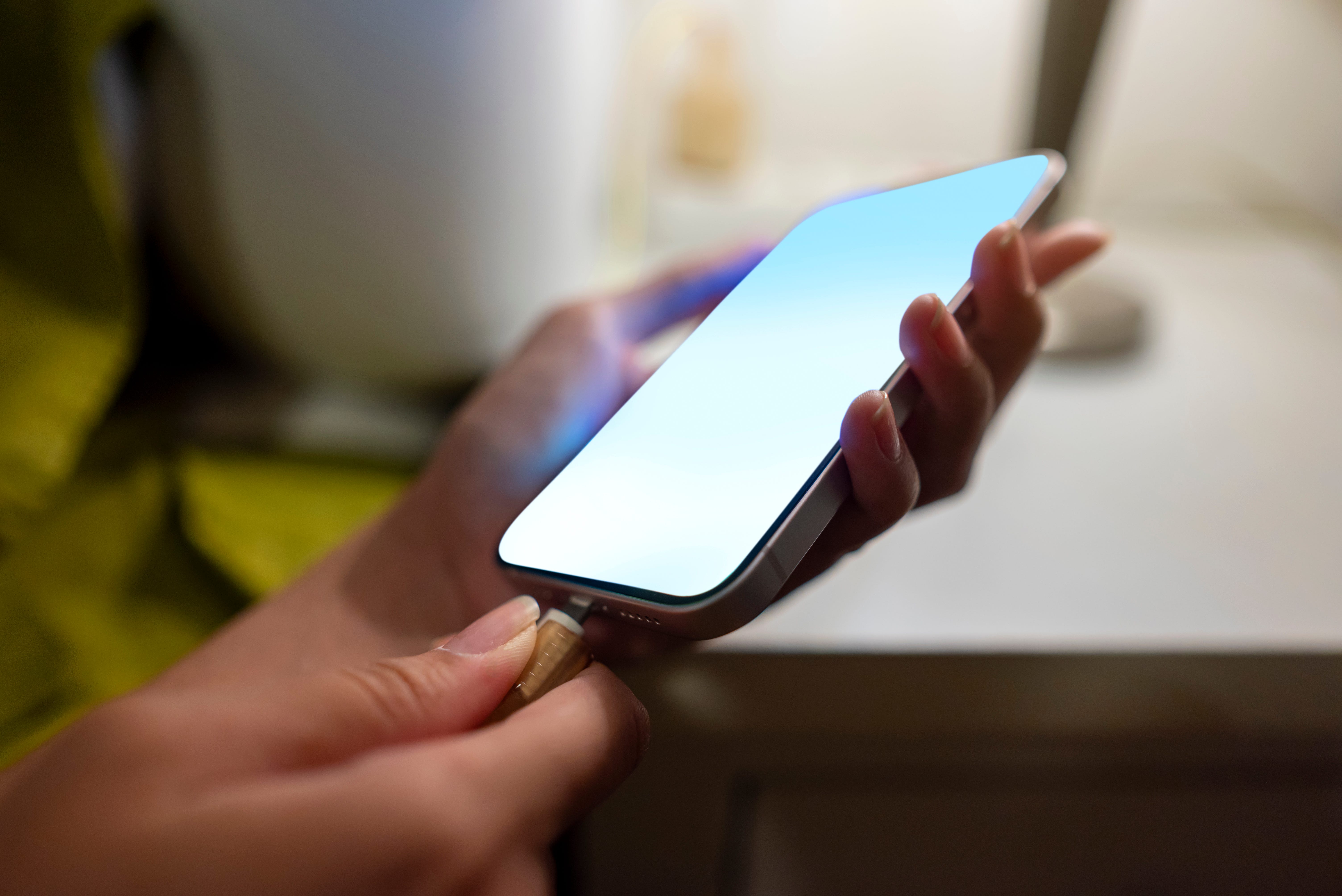
A reporter removed her phone from her bedroom each night for two weeks, placing it in a charging dock in the living room between 9 and 9:30 p.m. She did this to address early-morning anxiety and sleep disruption.
Sleep improved quickly. She reported drifting off more easily and waking fewer times, with only two wakeups in the first week despite added physical stress from a running fall. More notably, mornings became calmer. Without her phone nearby upon waking, she stopped checking email and Instagram before getting out of bed. She completed an hour of work writing before retrieving her phone, which reduced anxiety and increased productivity.
Natalie Dautovich, associate professor of psychology at Virginia Commonwealth University and senior research fellow at the National Sleep Foundation, validated the approach. "There are multiple pathways by which screen use could affect our sleep, and we know that sleep and our mental health are intimately tied together," Dautovich said.
She identified several mechanisms. Phone use cuts into sleep time. Emotional content on screens makes winding down harder. Blue light can interfere with circadian rhythms. Notifications wake sleepers. The brain also creates associations between the bedroom and phone use, linking sleep to whatever stress or stimulation the device delivers.
For midlife women prone to anxiety, the effects are amplified, Dautovich explained. Women in this group already face overlapping sleep disruptors including anxiety, depressive symptoms, work demands, and caregiving responsibilities. Adding screen stimulation before bed leaves less margin for good sleep.
Physically removing the phone worked better than previous strategies because it increased friction, Dautovich said. "If you want to use the phone, you have to make a deliberate decision to exit the bed and the room to get it."
Dautovich recommended linking phone removal to an existing nightly habit like brushing teeth. She also suggested replacing scrolling with calming activities. She reads cozy mysteries involving bakeries or animals. Other options include warm baths or hot drinks, which mimic the body temperature drop that signals sleepiness. For those who wake with anxious thoughts, she suggested scheduling 15 to 30 minutes of dedicated worry time before wind-down routines.