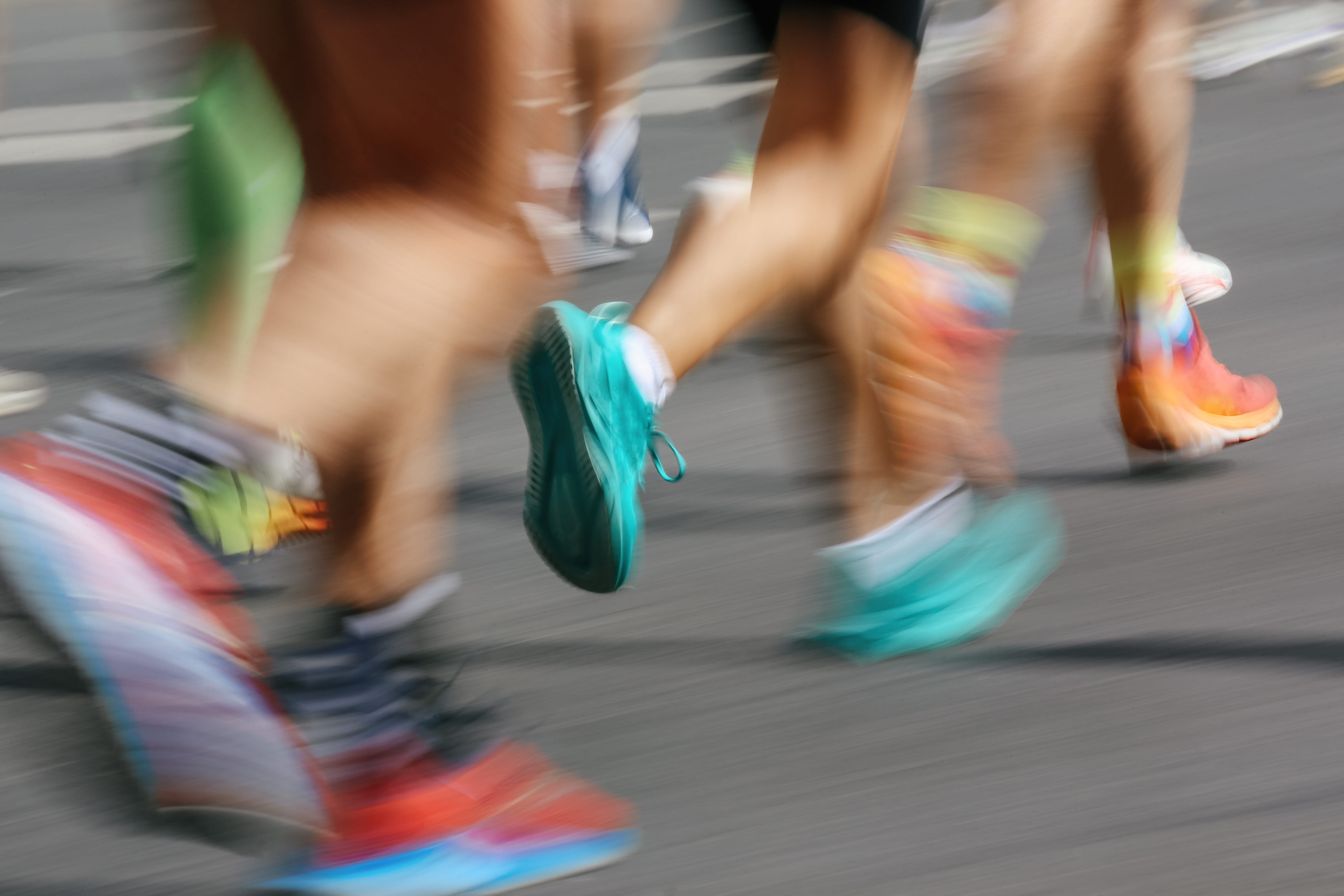
Kerri Inman, a New York City-based TeamRunRun coach, changed how she thinks about recovery after her own track racing career. When she trained professionally, her coach rejected the idea of her working as a waitress between runs because excessive time on her feet would prevent adequate recovery. Now Inman builds training plans around her runners' jobs, recognizing that athletes with demanding foot-intensive work, like nurses, need different volume considerations than desk-based workers.
Will Baldwin, a USATF and VDOT-certified running coach, notes that while coaches often track time on feet as a training volume metric, few measure time off feet in a structured way. The challenge is that there is little hard science on how much time off feet runners actually need or how to spend it best.
Jim Jastifer, an orthopedic surgeon specializing in foot and ankle reconstruction at OSMC Orthopedic and Sports Medicine Center in Indiana, recommends using comfort as the framework for recovery methods. He emphasizes that recovery involves not just physical rest for the feet but mental rest for the brain. Kara Goucher, a distance runner and cohost of the podcast Nobody Asked Us, plays Sudoku during recovery time, treating it as mental rest rather than doom scrolling on her phone.
The experts recommend listening to your feet over wearable metrics. Jastifer says that if your Garmin indicates readiness to run but your feet hurt, your feet should take priority. For high-mileage runners, Baldwin explains that additional walking may not help; instead, low-level movement like cycling works better.
Swelling and pain are the only reasons to completely stay off your feet, Baldwin says. However, some swelling simply results from fluid accumulation after extensive activity, not injury. Walking can help this type of swelling by stimulating blood and lymph movement, while other options include foot circles, ball rolling, or stretching. Pain or discoloration signals injury and warrants a doctor's visit before running again.
Percell Dugger, a Runna run coach, advises balancing foot pain against planned workout intensity within the context of your overall training plan. Sleep and proper nutrition form the foundation of recovery, according to Kristine Sweezey, a physical therapist in Rock Hill and Charlotte, North Carolina. Jastifer stresses that rest, cross-training, and time off feet differ from sleep and cannot replace it.
Adding foot strengthening to your routine helps feet handle long, hard miles. Jastifer explains that intrinsic foot muscles, the small muscles within the foot itself, regulate force and proprioception for ankle stability through a neuromuscular feedback loop. Sweezey recommends toe scrunches and toe lifts, noting that rolling a lacrosse ball under your foot decreases soreness and aids recovery.
When returning to running, Dugger advises against back-to-back long runs or speed workouts. Progressive loading works better than sharp spikes in training intensity.