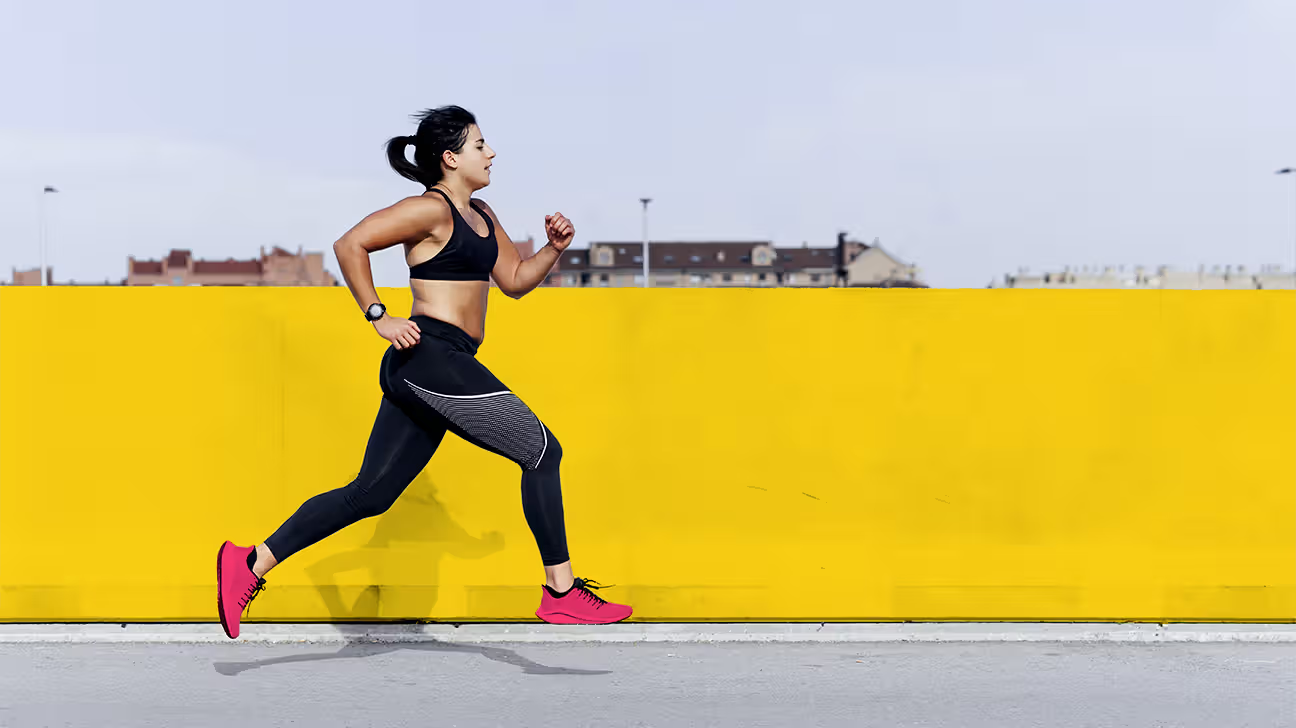
Side stitches, scientifically called exercise-related transient abdominal pain (ETAP), affect up to 70% of runners each year. The exact cause remains unknown, but experts propose several theories.
A 2022 review suggests that side stitches may result from your right foot hitting the ground while you breathe out, irritating the phrenic nerve and potentially bothering the abdominal lining, particularly on the lower right side. Experts also theorize that increased blood flow around the diaphragm during running could trigger stitches. Older research from 2010 points to poor posture or a stiff spine as contributing factors.
To treat a stitch during a run, slow down to ease immediate pain. Stretch by raising your arms overhead, leaning to the opposite side of the pain, and breathing deeply. Alternatively, apply gentle pressure by pressing your palm into the cramp while breathing deeply.
Prevention starts with practicing mindful breathing during exercise. A 2022 review found that slower breathing during exercise might reduce stress and increase pleasant feelings. Avoid eating large meals or drinking large quantities of beverages a couple of hours before running. Work on posture and core strength. Research from 2014 suggests building abdominal muscles could help prevent side stitches. Stay hydrated and gradually increase running speed rather than starting with a sprint.
Seek medical attention if you experience pain under your breastbone with difficulty catching your breath, persistent pain after running, or severe stomach pain, as these may indicate more serious conditions.