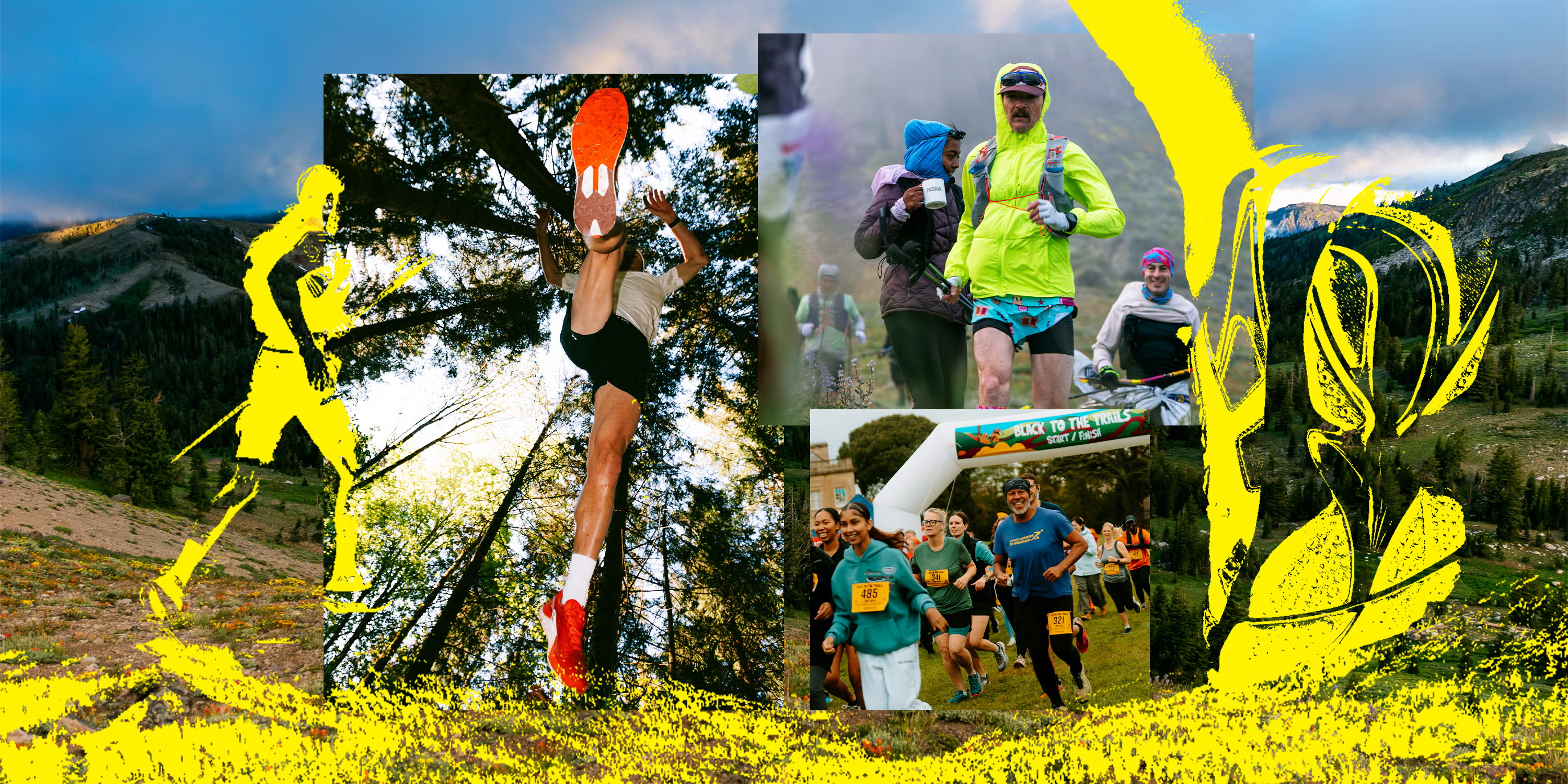
# Welcome to the Wild World of Trail Running
Trail running has exploded in popularity over the past five years, with participation numbers climbing steadily across North America and Europe. Runners are abandoning pavement for dirt, rocks, roots, and the unpredictable terrain that defines off-road running. This shift reflects a broader fitness trend toward outdoor training and away from treadmills and predictable road surfaces.
The appeal runs deeper than novelty. Trail running demands different movement patterns than road running. Your stabilizer muscles work harder. Your ankles, calves, and hip abductors engage constantly to navigate uneven ground. Your proprioception, the body's sense of its position in space, sharpens with every step. Running coach Jason Koop, who trains elite ultramarathoners, notes that this neuromuscular demand creates faster adaptation and builds resilience that transfers back to road running.
The cardiovascular demand also differs. Trail running typically feels harder at the same perceived effort because terrain constantly changes pace. Your heart rate spikes on climbs and recovers during descents. This natural interval training effect develops better aerobic capacity than steady-state road running.
Beginners should start conservatively. Your body needs time to adapt to the impact patterns and muscular demands of uneven surfaces. Begin with trails marked as easy or intermediate. Stick to daylight hours until you develop trail sense. Wear trail-specific shoes with aggressive tread patterns and rock plates that protect your feet from sharp stones. Brands like Salomon, La Sportiva, and ASICS make dedicated trail shoes that cost between 120 and 160 dollars.
Pacing matters more on trails than roads. The golden rule: forget your road pace. A trail mile takes longer than a road mile, sometimes 20 to 40 percent longer depending on terrain difficulty. Run by perceived exertion, not by pace. Save competitive racing for your fifth or sixth trail run, after your body has adapted.
Strength training becomes non-negotiable for trail runners. Your glutes, hip stabilizers, and ankle stabilizers need work. Box step-ups, single-leg deadlifts, calf raises, and lateral band walks prevent injuries. Spend two sessions per week on targeted strength work, 20 to 30 minutes each.
Descending technique prevents injury and saves time. Most runners brake too hard on downhills, creating eccentric loading that damages quads and knees. Instead, lean forward from the ankles, shorten your stride, and let gravity assist your descent. Practice this on low-risk terrain first.
Trail running communities thrive everywhere. Local running clubs organize group runs that range from beginner-friendly to advanced. These groups teach navigation, share route information, and make training social. Start with a beginner-level group run to learn the fundamentals without pressure.
The mental health benefits exceed those of road running. Time in nature reduces cortisol levels, decreases anxiety, and improves mood more than urban running. A 2019 study published in Frontiers in Psychology found that trail running in natural settings produced stronger mood improvements than treadmill running.
Start your trail running journey this season. Begin easy, invest in proper shoes, build strength, and join a local group.