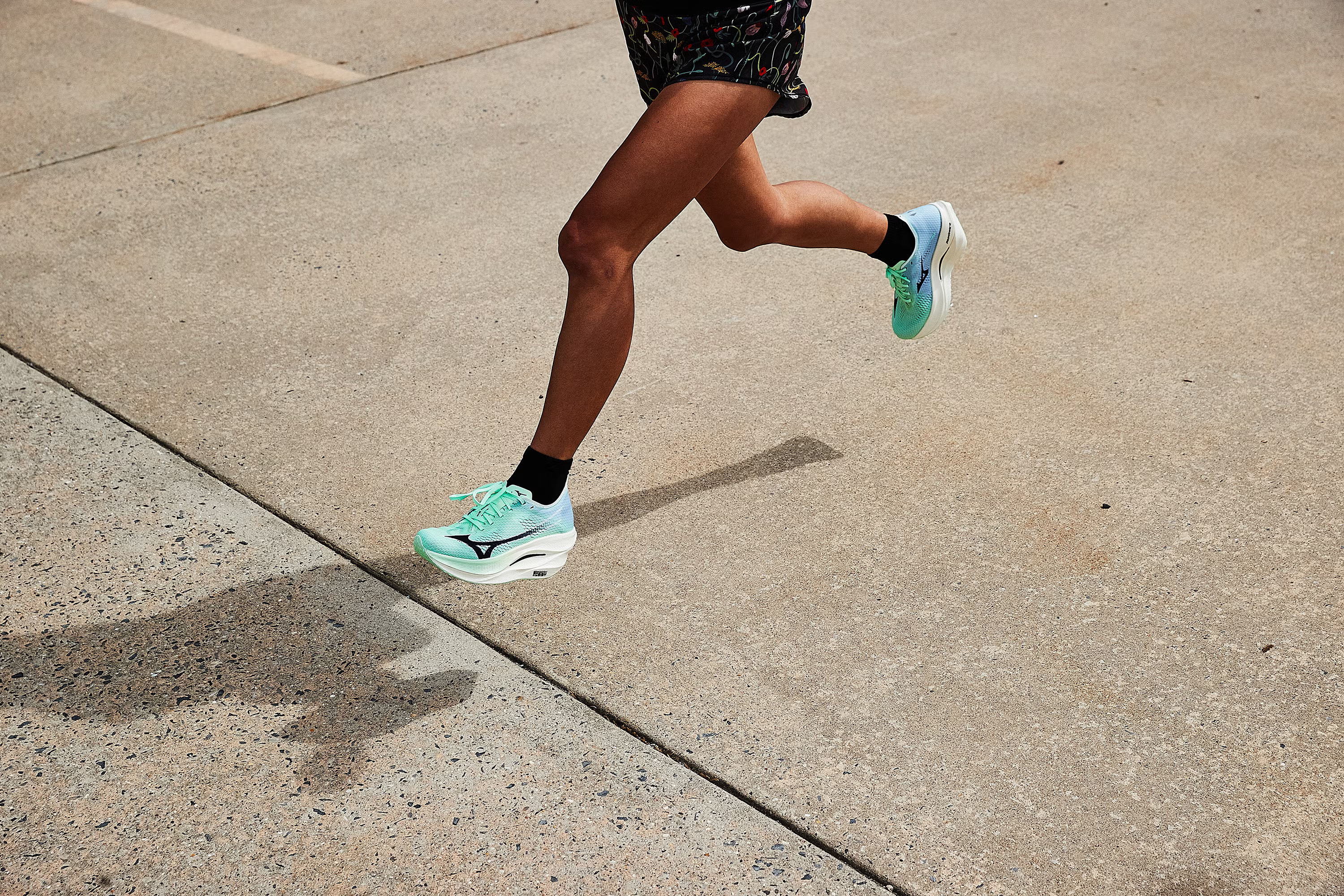
# The Best Mizuno Running Shoes 2026: Finding the Right Fit Across Categories
Mizuno has built a reputation as a reliable manufacturer of functional running footwear, but the brand's 2026 lineup demonstrates a willingness to push beyond pure practicality. The Japanese shoemaker now offers specialized options across stability, trail, marathon, and everyday training categories, giving runners multiple entry points to the Mizuno ecosystem.
The brand's approach reflects a shift in how Japanese footwear companies compete in the global running market. Rather than chasing trends, Mizuno leans on engineering precision and material innovation. This philosophy translates into shoes that prioritize biomechanical support and durability over flashy design language.
For stability running, Mizuno incorporates its Dynamotion Plate technology, which guides the foot through a natural gait cycle. This framework sits beneath the heel and midfoot, working without the rigid constraints of traditional motion-control shoes. Runners seeking overpronation correction get responsive support that feels less intrusive than competitors' approaches.
Trail runners benefit from Mizuno's Wavy Plate outsole design. The wave pattern distributes impact forces across a broader contact surface, improving traction on uneven terrain. Combined with reinforced toe caps and protective sidewalls, trail-specific Mizuno models handle rocky descents and rooty uphills without sacrificing ground feel.
Marathon specialists in the Mizuno lineup feature reduced stack heights and responsive foam compounds. The brand uses Enerzy foam in many race-day shoes, delivering energy return without excessive softness. This creates a middle ground between cushioned daily trainers and minimalist racing flats, appealing to runners who want protection over long distances without sacrificing pace.
The experimental side Runner's World references emerges in Mizuno's partnerships with material scientists and biomechanics researchers. The brand has invested in proprietary cushioning systems that adapt to individual running styles rather than forcing feet into predetermined patterns. Some 2026 models incorporate variable-thickness foam zones, concentrating support where each runner needs it most.
Mizuno's color and aesthetic offerings have evolved significantly. While the brand maintains a reputation for understated design, current models blend Japanese minimalism with modern running silhouettes. Availability now spans neutral grays and blacks through to bolder accent colors, broadening appeal beyond traditional conservative runners.
The price point remains competitive. Mizuno shoes typically retail between 120 and 160 dollars, positioning them as value-oriented alternatives to premium European brands without sacrificing construction quality. The durability of Mizuno outsoles often extends beyond competitor shoes in the same price bracket, improving long-term value.
Fit characteristics lean slightly narrow compared to American mainstream brands. Runners accustomed to Nike or Brooks often size up or choose models specifically widened for the Mizuno line. Japanese sizing conventions influence the brand's last shape, affecting midfoot wrapping and heel security.
Runner's World's selection process likely evaluated Mizuno shoes against performance metrics including cushioning consistency, outsole durability, energy return, and user feedback from extended field testing. The emphasis on category-specific recommendations reflects market demand for specialized tools rather than all-purpose shoes.
For runners seeking alternatives to dominant market leaders, Mizuno's 2026 collection presents legitimate technical options. The brand's willingness to experiment with materials and support structures, paired with proven manufacturing standards, creates shoes worth testing through proper fitting channels.