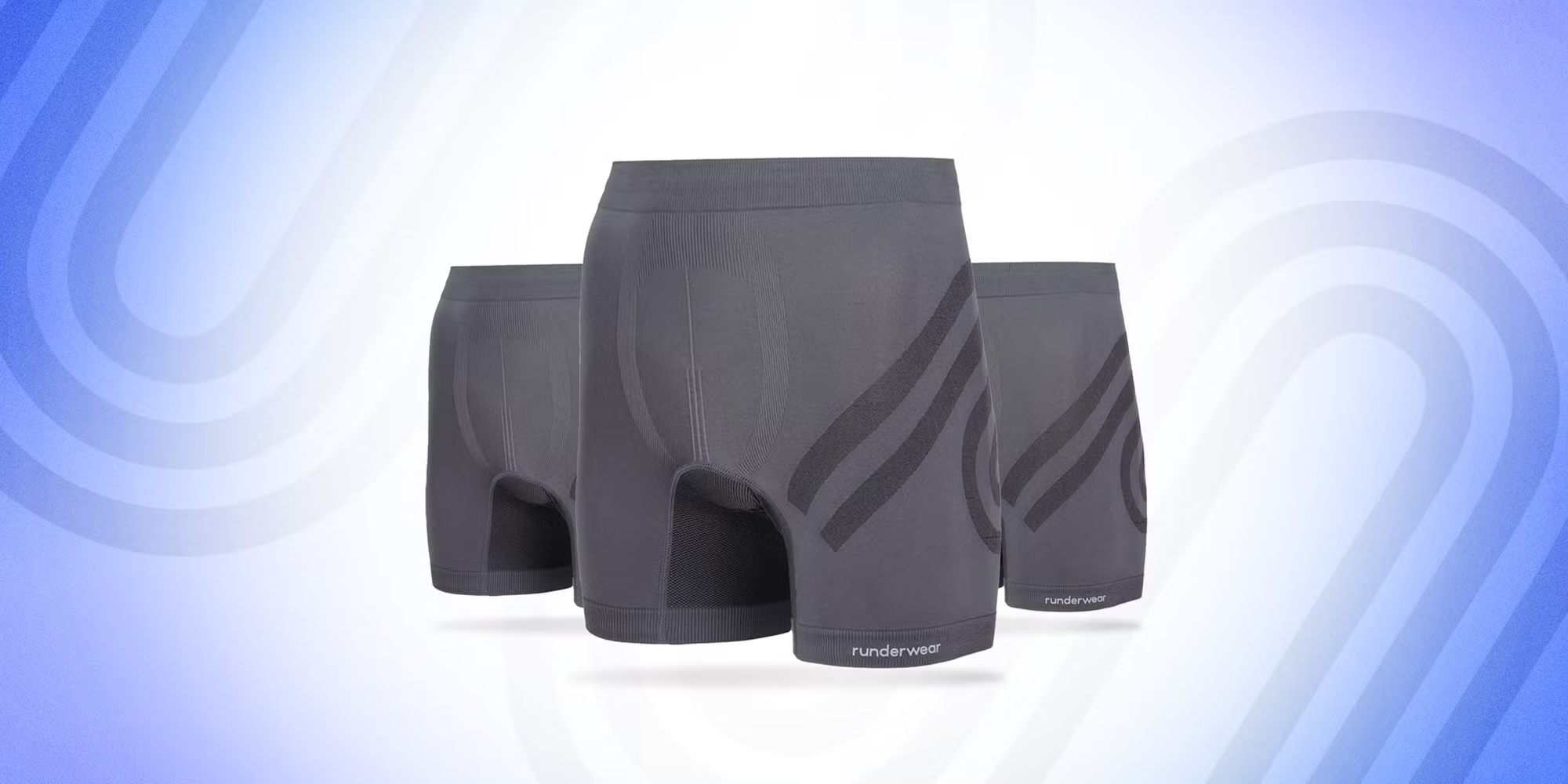
# The Best Running Underwear of 2026 for Women and Men
Chafing, moisture buildup, and odor remain the top comfort complaints from runners, and the right underwear addresses all three problems simultaneously. Runner's World tested the leading options for 2026 to identify which products actually perform during long runs.
The best running underwear combines three technical features: moisture-wicking fabrics that pull sweat away from skin, seamless or flat-seam construction that eliminates friction points, and antimicrobial treatments that prevent bacterial growth and odor. Most high-performance options use synthetic blends rather than cotton, which absorbs sweat and holds moisture against the skin.
Moisture-wicking technology works through capillary action. Synthetic fibers like polyester and nylon have a lower affinity for water than cotton. When sweat forms on your skin, these materials actively move it outward and upward where it can evaporate. This process keeps the fabric dry and reduces the conditions that cause chafing. Tests show that runners wearing moisture-wicking underwear report significantly less friction-related discomfort compared to cotton alternatives.
Seamless construction prevents the classic chafing that occurs where traditional seams meet skin. Manufacturers achieve this through bonded edges or entirely seamless knit patterns. Flat seams, used in products where some seaming is necessary, reduce pressure points compared to traditional lockstitch seams. The difference becomes obvious during runs longer than five miles, where even small seams can create noticeable irritation.
Antimicrobial finishes contain silver ions or other agents that inhibit bacteria growth without requiring chemical washes. This extends the time between laundries and keeps odor under control even after multiple wears. Some products use merino wool blends, which naturally resist bacterial odor without treating the fabric chemically.
For men, options typically feature a supportive pouch design that prevents excessive movement and reduces friction on sensitive areas. Brief-style cuts provide more support than boxer briefs, though personal preference varies. Length matters too. Longer inseams prevent thigh chafing during rapid leg motion.
For women, the best designs include a gusseted crotch (an extra reinforced panel) that moves with the body and reduces seam irritation. High-rise waistbands stay in place without rolling down during movement. Many runners prefer thong or bikini styles for minimal visible lines under tight running clothes, though brief styles offer more coverage.
Key differences emerge when comparing price points. Premium brands ($25 to $40 per pair) often use higher-quality synthetic blends and more sophisticated seamless knitting. Budget options ($8 to $15) still provide moisture-wicking and basic antimicrobial treatment but may use thicker fabrics or less refined seam placement.
The most effective approach involves testing multiple brands to find what works for your specific body. Runner's World's testing process included feedback from runners across different body types, distances, and running speeds. Results showed that no single product performs best for everyone, but several consistently deliver the core features that prevent chafing and odor.
For your next run, prioritize seamless construction and confirmed moisture-wicking materials over brand reputation alone. Verify that antimicrobial treatments are included in product descriptions. After purchase, wash in cool water and air dry to preserve the technical properties that keep underwear performing at peak levels.