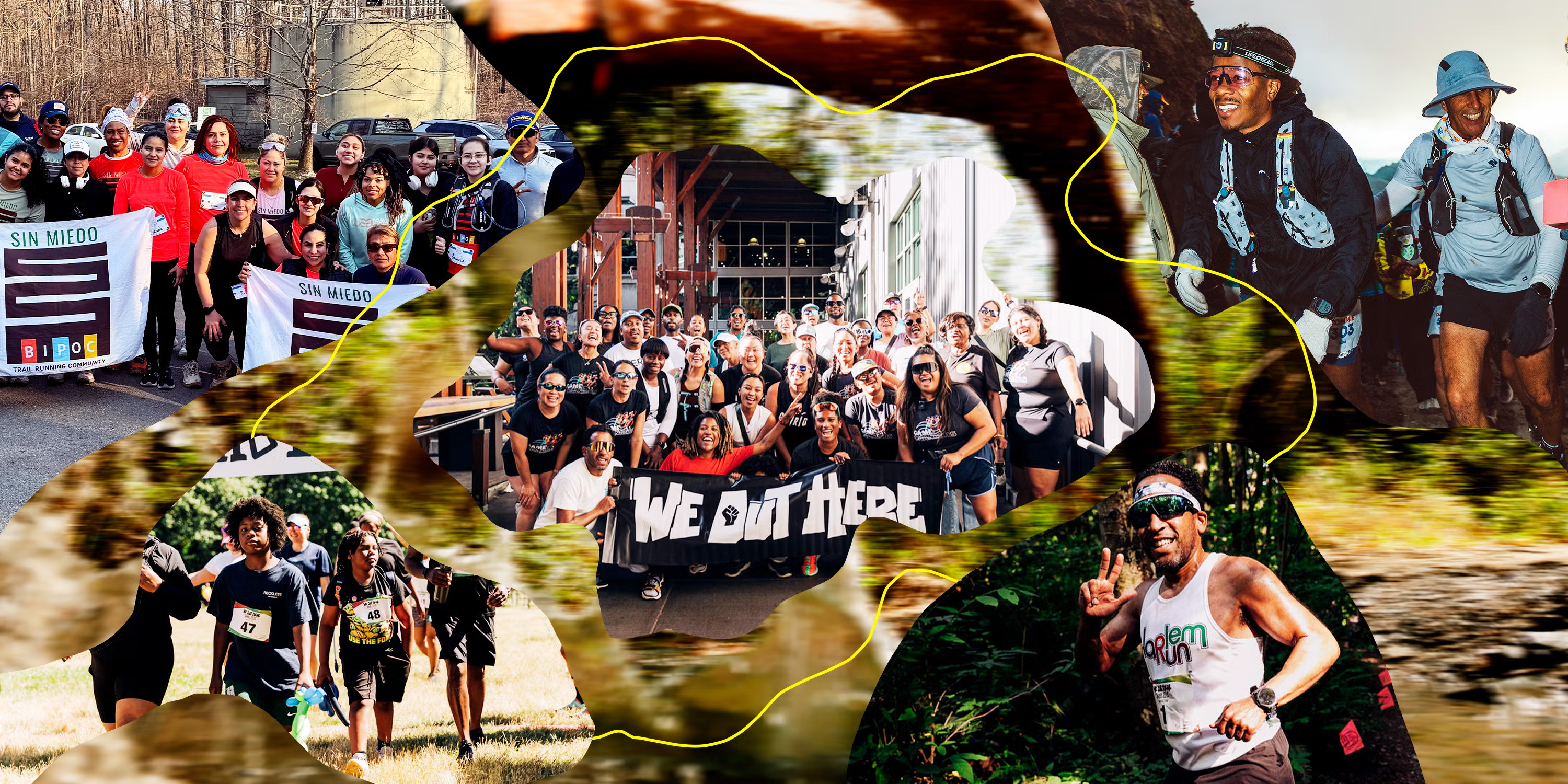
# Building Inclusive Trail Running Communities
Trail running has exploded in popularity over the past five years, but not everyone feels comfortable stepping onto those paths. Women, people of color, LGBTQ+ runners, and those with disabilities often face barriers that keep them off trails despite wanting to participate. A growing movement of organized groups now tackles these obstacles head-on, creating welcoming spaces that prioritize accessibility and belonging.
The shift reflects a broader recognition within the running community. Traditional trail running spaces have historically catered to experienced, often white and male athletes. Gatekeeping language, exclusionary club culture, and simple lack of visibility meant marginalized runners faced both real and perceived barriers. Some worried about safety on isolated trails. Others felt uncomfortable in predominantly homogeneous groups. Many simply didn't know where to start.
Groups like Unlikely Hikers, Trail Sisters, RunningUP (a program for Black and Brown runners), and Black Girls Trek have emerged to reshape this landscape. These organizations prioritize creating psychological safety alongside physical safety. They offer beginner-friendly pace groups, skilled mentorship, and explicit messaging that all bodies and backgrounds belong on trails.
The approach works through practical changes. Many groups start runners on shorter, well-marked routes before advancing to technical terrain. Pace groups deliberately accommodate slower runners rather than leaving them behind. Online communities provide space to ask questions without judgment. Some organizations partner with local trail systems to ensure runners know about amenities, lighting, and parking. Leaders from underrepresented backgrounds provide visible role models, showing newcomers they can belong.
Research on outdoor recreation confirms what these groups understand intuitively. Studies show that representation matters. When people see others who look like them in activities, participation increases. Mentorship from experienced athletes builds confidence. Community reduces the anxiety that keeps people indoors.
The inclusivity movement also benefits overall fitness outcomes. Trail running demands engages stabilizer muscles differently than road running, building resilience through varied terrain. Research published in sports science journals shows that group-based outdoor activities improve mental health metrics beyond what solo training achieves. The social connection combats depression and anxiety while the natural environment provides restoration benefits city running cannot match.
Brands have taken notice. Running companies now produce trail shoes in extended sizes and wider widths. Apparel companies feature diverse athletes in marketing. Trail running events increasingly offer multiple distance options and explicitly welcome first-timers.
The industry shift carries real consequences. More runners on trails means increased funding for trail maintenance and expansion. It creates political will for access improvements benefiting all users, including hikers and mountain bikers. Communities with robust trail systems attract residents and boost local economies.
Barriers remain. Many trail systems still lack reliable public transportation. Safety concerns on isolated trails require ongoing community vigilance and education. Misinformation about trail etiquette and skill requirements persists on social media.
Yet the momentum continues. Every group ride builds community. Every first-timer who completes a trail run gains confidence for the next one. The trail running community is learning that inclusion benefits everyone. Runners who feel welcome stay active longer, maintain fitness more consistently, and inspire others to join.