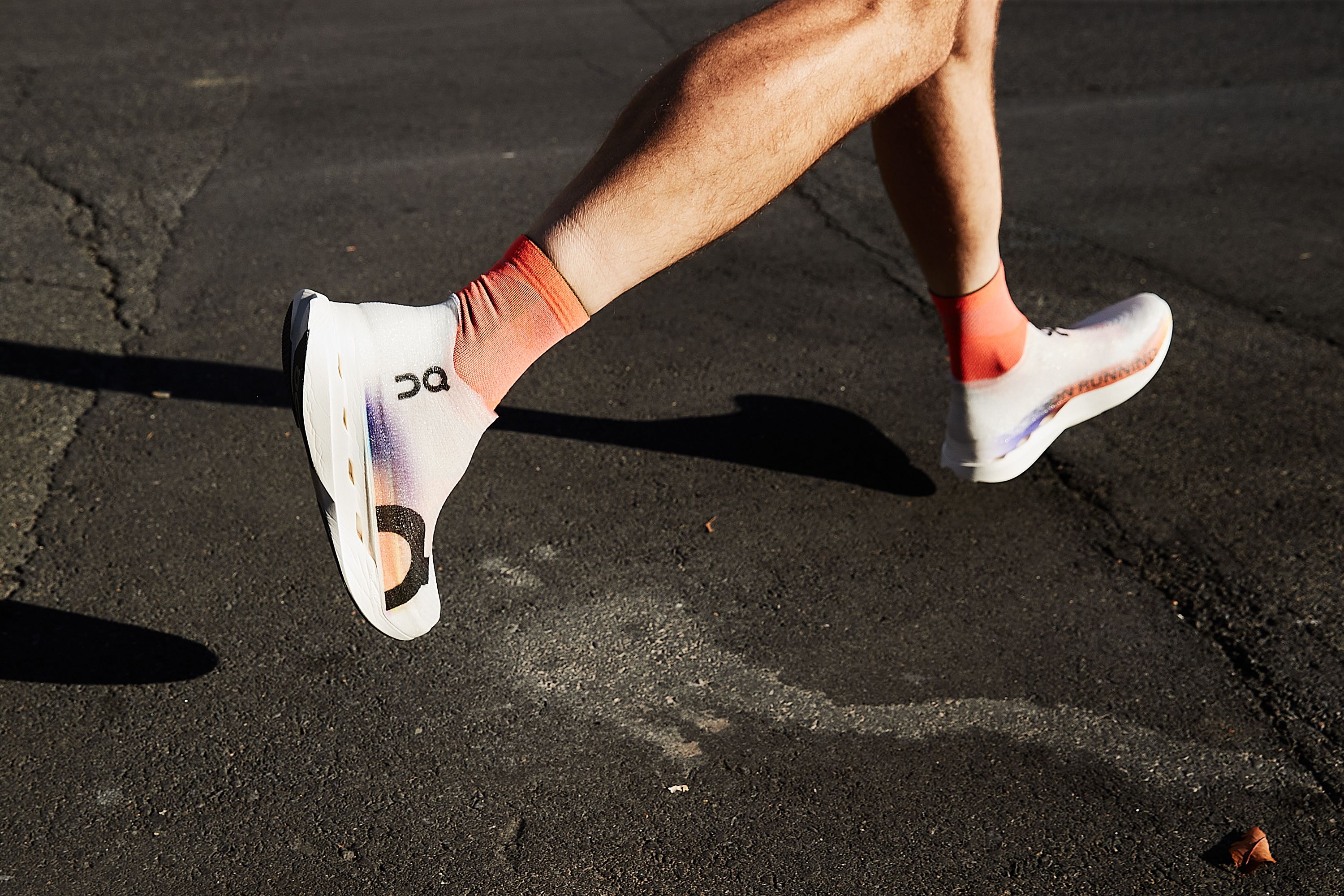
On Running has expanded its lineup with fresh options designed to meet the needs of different running styles and preferences. The Swiss footwear manufacturer, known for its CloudTec cushioning technology, released two new trail shoes and an updated daily trainer that runners can evaluate based on their specific training demands.
The brand's approach reflects a broader fitness industry trend. Running shoe companies increasingly segment their products around runner type rather than offering one-size-fits-all solutions. This strategy acknowledges that a trail ultramarathoner requires different support systems than someone logging easy miles on roads, and both differ from a runner targeting speed work.
On Running's product ecosystem includes shoes engineered for distinct purposes. Daily trainers serve as the workhorse for most runners, handling high mileage across varied surfaces while providing moderate cushioning and responsive transitions. These shoes typically appear in rotation three to five days per week. Trail shoes introduce additional features like reinforced uppers, aggressive tread patterns, and sometimes rock plates to protect the foot from rocky terrain and uneven surfaces. The company's recent trail additions bring updated geometry and materials to handle technical courses.
The expanded collection matters because shoe selection directly affects injury risk and performance. Research consistently shows that runners wearing shoes matched to their biomechanics and intended use experience lower injury rates than those in mismatched footwear. A 2022 study in Sports Medicine highlighted that individual running gait, pronation pattern, and arch type should drive shoe choice. A neutral daily trainer works poorly for a trail runner navigating loose terrain and roots. Conversely, protective trail shoes feel sluggish and unnecessary for someone focused on tempo runs on roads.
On Running's cushioning philosophy relies on their proprietary CloudTec system. This technology uses individual cloud-like pods that compress and rebound independently, theoretically reducing impact forces while maintaining responsiveness. The brand markets this as balancing comfort with speed efficiency. Whether this outperforms other cushioning systems like Nike's React or ASICS' FlyteFoam remains subject to personal preference and individual biomechanics.
The daily trainer in the refreshed lineup represents the entry point for most runners evaluating On products. These shoes typically retail between $130 and $160, positioning them in the midrange of the running shoe market. Trail shoes usually cost $150 to $180, reflecting the additional durability features required for technical terrain.
For runners considering these options, the decision should center on intended use. Road-focused runners logging easy weekly mileage benefit from testing a daily trainer in a controlled environment, like a running specialty store where staff can assess gait patterns. Trail runners should prioritize protection and grip when evaluating the new trail options. Both require a break-in period. Most running shoe specialists recommend two to three runs of three miles or less before committing a shoe to high-mileage training weeks.
On Running's expanded roster gives runners concrete alternatives to evaluate. Testing shoes before committing to a full training cycle remains the only reliable way to determine fit and feel.