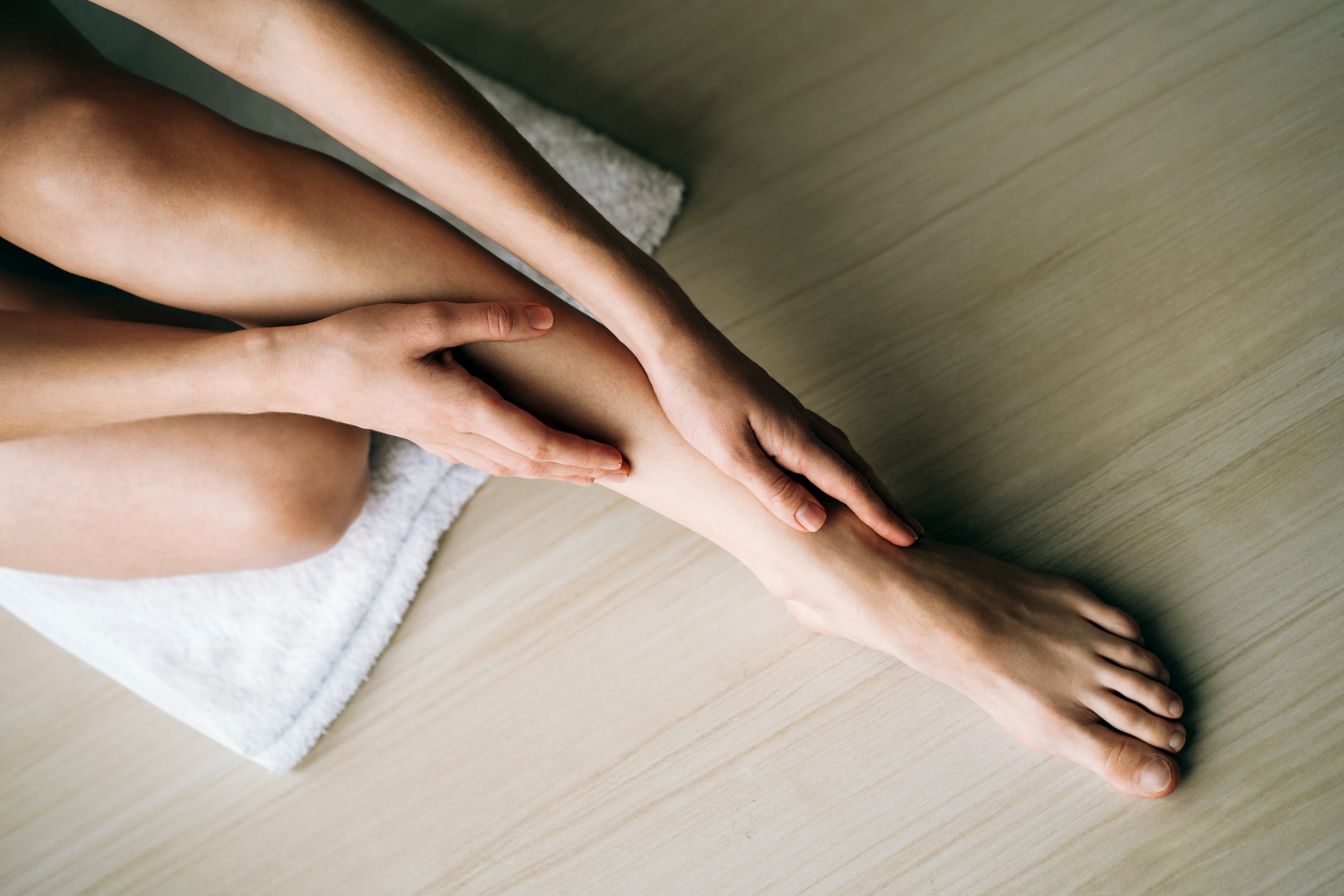
Athlete's foot, officially called tinea pedis, often gets mistaken for simple dry skin. The fungal infection spreads through contaminated surfaces like gym floors, locker rooms, and pool decks, though you don't need to be an athlete to catch it. Leela Athalye, D.O., a board-certified dermatologist at Orange Coast Dermatology in California, notes that the conditions require different treatments.
The fungus spreads through direct contact with infected skin flakes or contaminated surfaces. Joan Leavens, M.D., a double board-certified dermatologist at Modern Dermatology in Seattle, explains that fungal spores can linger for months or even years in damp areas. Warm, sweaty, enclosed feet create ideal conditions for growth. Adults over 75 have 45% higher odds of developing athlete's foot than younger people, according to a 2023 study, due to circulation issues, immune changes, and drier, more easily cracked skin.
Look for inflammation markers like redness and swelling. Athlete's foot often develops into a red, scaly rash in a "moccasin" distribution starting at the bottom of your feet. Check between your toes, especially the fourth and fifth, for cracking with whitish discoloration. Itching, burning, stinging, and blisters can also occur. If moisturizing doesn't help after one or two months, see a dermatologist.
Dermatologists can diagnose by examining your feet or using a KOH test to detect fungal infections. Over-the-counter treatments have few side effects. Clotrimazole is the best option available without a prescription, according to Dr. Leavens. Apply it twice daily to get between the toes for four weeks, even if the infection appears to clear sooner.
If untreated, athlete's foot spreads to toenails, where it becomes much harder to treat because the nail's compact keratin makes medicine penetration difficult. The infection can also spread to hands as ringworm through touching or scratching infected feet. See a dermatologist if the rash doesn't respond after a month, if it returns, if it's severe, or if you suspect toenail involvement.
Prevent infection by wearing flip-flops or shower shoes in public places and keeping slippers for hotel rooms. Dr. Athalye carries hypochlorous acid spray in her gym bag and uses it after workouts. Dry feet thoroughly after showering and wear breathable socks and shoes. When getting pedicures, ask if the salon uses an autoclave to clean tools, which uses steam and pressure to kill fungi and pathogens.