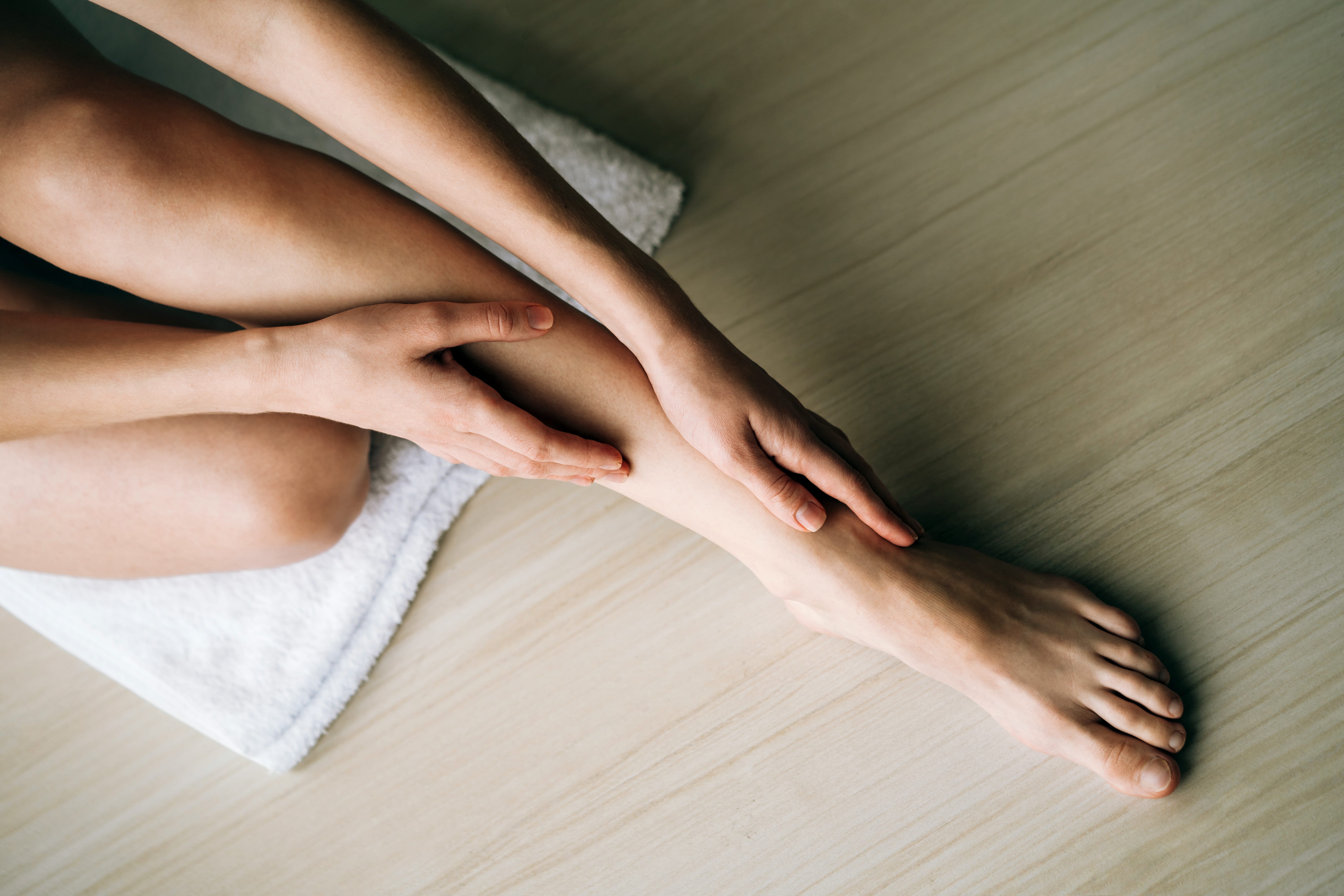
If you've been slathering moisturizer on your peeling toes without relief, it's time to consider a harder truth: you might not be dealing with simple dryness at all. According to dermatologists Leela Athalye, D.O., at Orange Coast Dermatology in California, and Joan Leavens, M.D., at Modern Dermatology in Seattle, distinguishing between dry skin and athlete's foot—officially called tinea pedis—is a game-changing distinction. The conditions require entirely different treatments, and misidentifying which one you have could lead to serious complications.
The problem is that athlete's foot masquerades as a cosmetic issue when it's actually a contagious fungal infection caused by the same organism that causes ringworm. Dr. Leavens explains that fungal spores can linger for months or even years in damp areas, spreading through contaminated surfaces like public showers, locker rooms, pool decks, and gym floors. Even nail salons pose a risk—polish is so sticky that infected skin flakes can remain in bottles for the next customer. While athletes, particularly swimmers and marathoners, face higher risk, anyone can contract it. A 2023 study found adults over 75 had 45% higher odds of developing athlete's foot than younger folks, making this a problem for a substantial portion of the population.
The warning signs are specific enough that you should know them. Dr. Athalye looks for markers of inflammation like swelling and redness, while Dr. Leavens notes that athlete's foot often develops into a red, scaly rash with a 'moccasin' distribution. Check between your fourth and fifth toes for cracking with whitish discoloration—that's a telltale indicator. If moisturizer hasn't helped after a month or two, that's your cue to visit a dermatologist.
Here's where the stakes get serious: if left untreated, athlete's foot spreads to your toenails, where it becomes much harder to eradicate. As Dr. Athalye explains, the nail's compact keratin structure prevents medicine from penetrating properly. There's also a pattern called two feet-one hand syndrome, where scratching infected feet transfers ringworm to your hands. While uncommon in women, the fungus can also cause jock itch if you touch your groin.
Treatment shouldn't be complicated. Dr. Leavens recommends clotrimazole, the best over-the-counter option, applied twice daily for four weeks, even after symptoms disappear. Prevention matters too—wear flip-flops in public spaces, keep feet dry, and ask nail salons whether they autoclave their tools. But most importantly, stop assuming those cracked, peeling toes are just a moisturizing problem. They might be a warning sign that deserves professional attention.