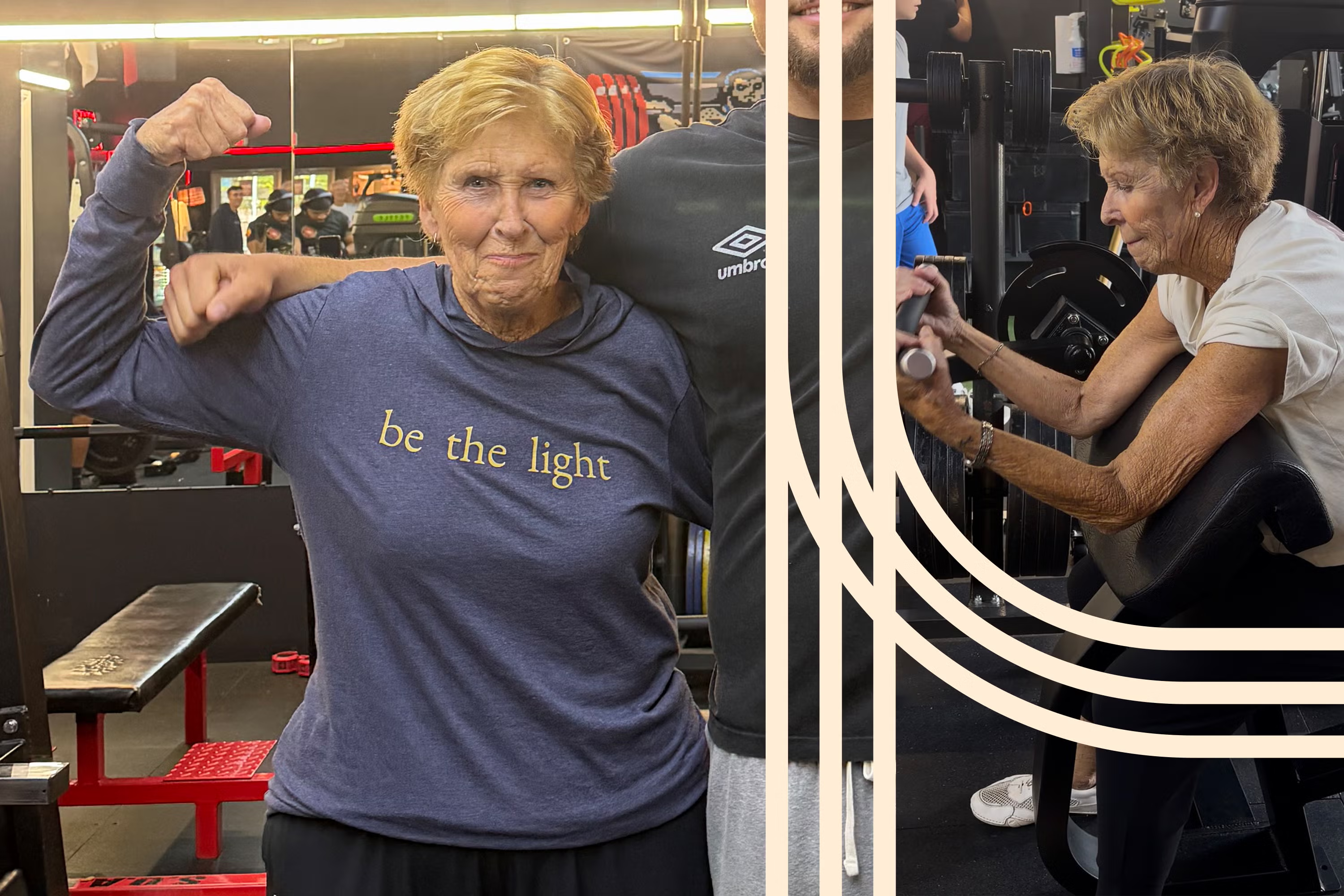
The story of a 78-year-old woman deadlifting 132 pounds is undeniably inspiring, but what should inspire us equally is what made it possible: professional guidance. When this woman joined Aspire Athletic Club in Schenectady, New York, right before her 75th birthday, she didn't simply pick up weights and hope for the best. She worked with the gym's owner, Chris Wertman, and later with trainer Jack Tyree for about six months, following structured programming designed specifically for her needs. This wasn't a motivational story powered by determination alone—it was a masterclass in why qualified trainers matter.
Too often, fitness narratives celebrate the individual's willpower while downplaying the professional expertise that actually prevents injuries and accelerates results. This woman's progression from struggling to stand up from a curb to performing weighted deadlifts didn't happen because she was exceptionally gifted or exceptionally stubborn. It happened because trainers taught her proper form on basic bodyweight exercises like the box squat, step-up, and bird dog before introducing dumbbells. They monitored her transition from kettlebells to barbells. They programmed her current routine of three days weekly—one upper body, one lower body, one mobility and balance—with six to eight exercises per session at 3 to 4 sets of 6 to 8 reps each. This methodical progression is what separates sustainable strength gains from injury.
The implications for older adults are significant. Many people over 70 experience the same fear that motivated this woman: the terror of falling, of losing independence, of not being able to carry groceries or get up off the floor. The conventional wisdom says to accept these limitations as inevitable. But this woman's experience suggests something different: older adults can build meaningful strength, but they need expert instruction to do it safely. Personal trainers provide that instruction, correct form deficits before they become injuries, and most importantly, they give older adults permission to expect more from their bodies.
What's particularly noteworthy is how this woman frames her success. Yes, she deadlifts 132 pounds now. Yes, she can do three reps at that weight. But her actual measure of victory is mundane: she can get up off the floor with ease, carry groceries, shovel snow, garden, and play sports with her grandchildren. These aren't gym achievements—they're life achievements. And they're only possible because a trainer, not an algorithm or a fitness influencer, helped her build a sustainable practice.
If we truly want to help older adults maintain independence and quality of life, we need to stop treating personal trainers as luxury items and start treating them as essential healthcare infrastructure. This woman's story isn't exceptional because she's strong at 78—it's exceptional because she had access to qualified professionals who knew how to help her get there. For every person willing to start over with exercise in their mid-70s, there are dozens who could benefit from the same support but never get it. That gap is worth closing.