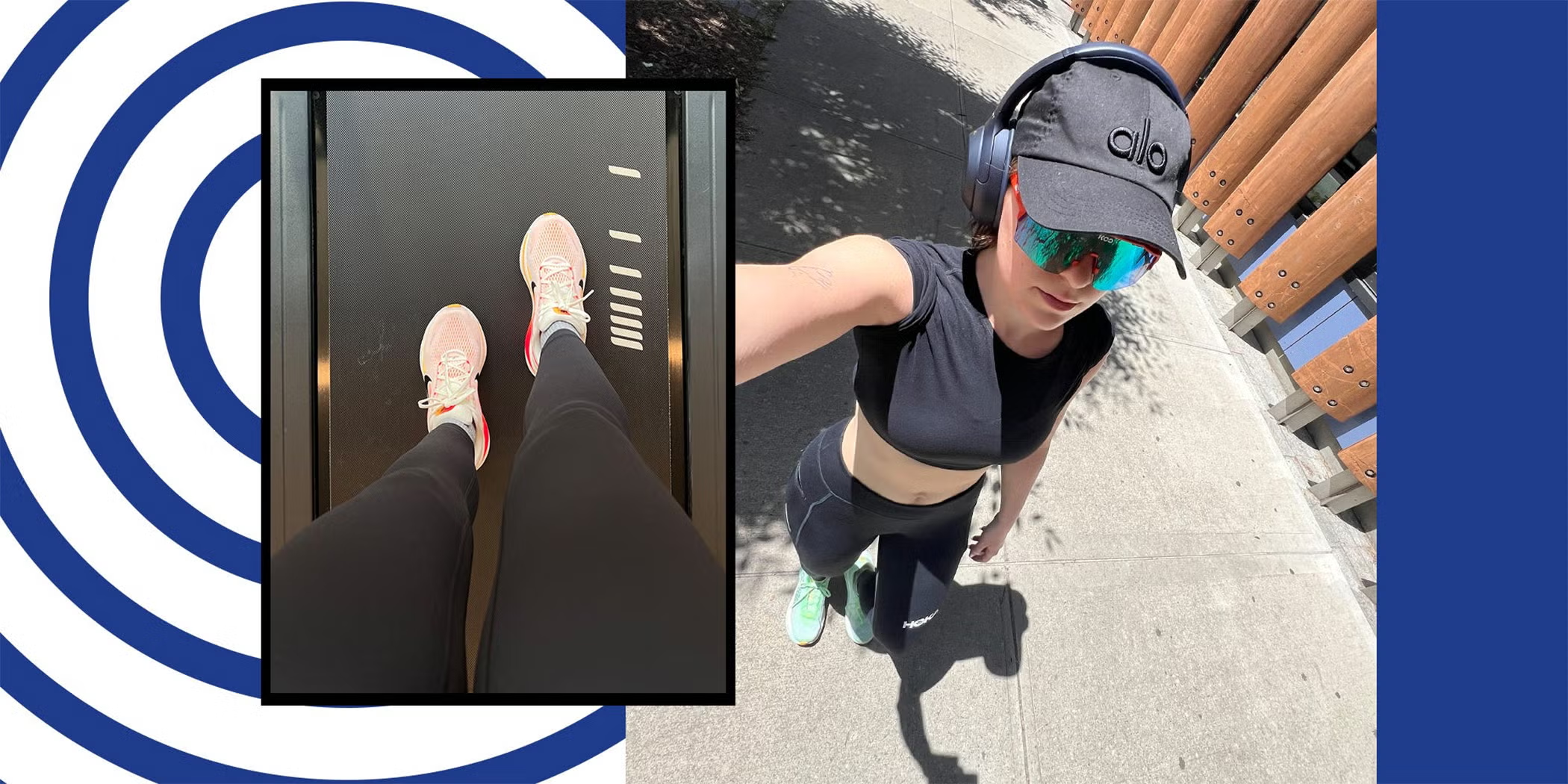
A Women's Health writer ran three miles daily for 21 days and tracked the physical and mental changes.
By week two, the writer fell asleep faster and woke more rested. Research in the American Journal of Lifestyle Medicine backs this finding: moderate aerobic exercise like running improves sleep quality and helps people fall asleep quicker.
The daily 30-minute runs provided mental relief from work and stress. The writer described running as a moving meditation that reset her mood, boosted patience, and sharpened focus on problems that had felt burdensome before the workout.
Lower-body strength visibly increased. The writer noticed her calves and quads became more defined, and climbing stairs felt easier, despite not doing weight training during the challenge. The repeated use of lower-body muscles while running produced strength gains.
The habit became automatic by day six. A study in Psychology of Sport and Exercise found that consistency in movement creates more positive attitudes toward the habit, making people more likely to continue. The writer stopped needing to mentally prepare for runs and began pacing without checking her running app.
Self-talk shifted from critical and defeatist to encouraging. Instead of counting down minutes or fixating on discomfort, the writer celebrated small wins like not stopping on hills or picking up pace on final stretches. This positive mindset began extending outside of runs.
Daily running triggered broader wellness changes. The writer naturally chose water over extra coffee, added light stretching, prioritized protein, and prioritized earlier sleep. These choices felt intuitive rather than forced.
Run coach Corky Corkum, CPT, advised new runners to alternate running days with walking or strength training to prevent injury and burnout. Corkum noted that doing too much too soon causes most new runners to quit.