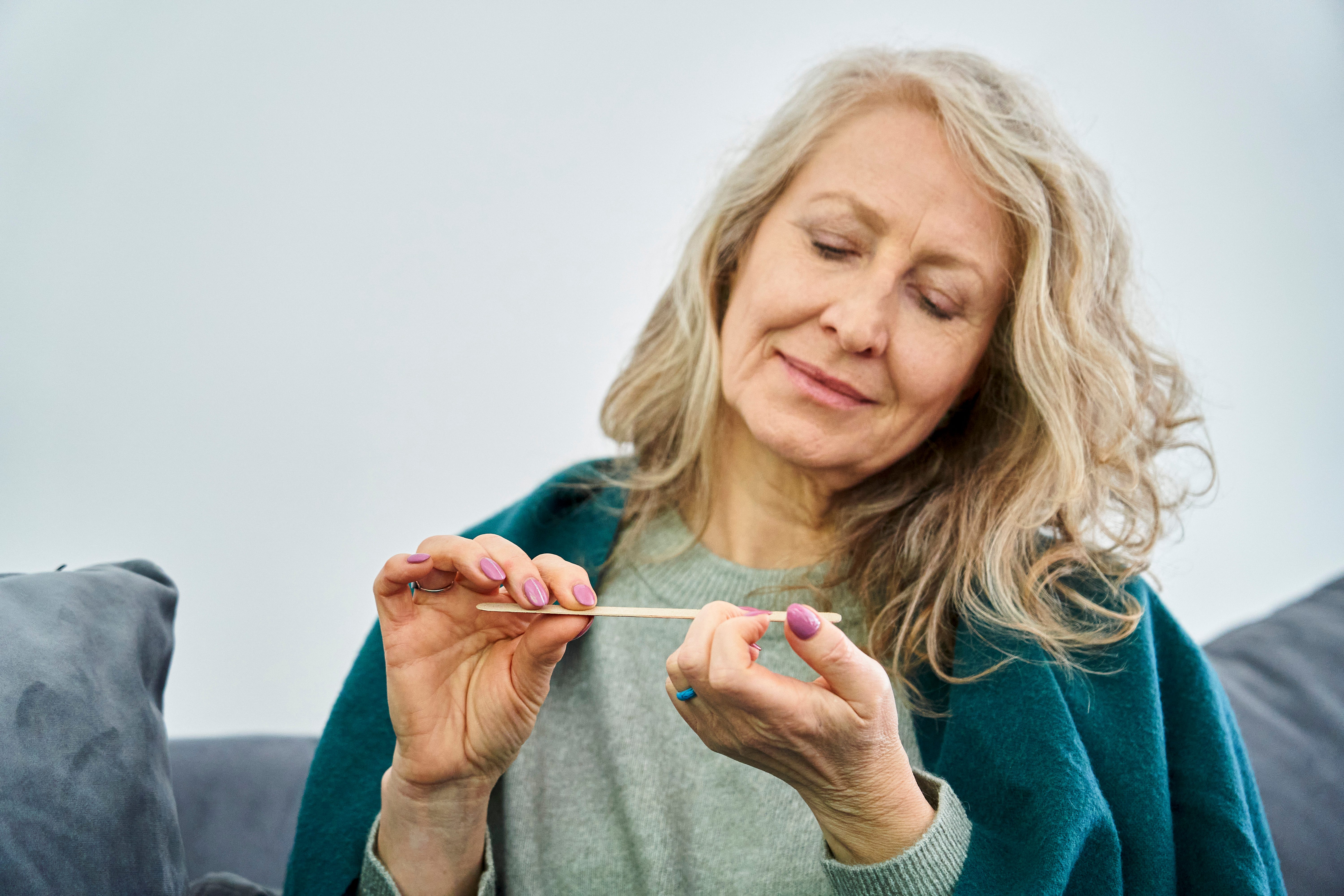
A perfectly shaped, shiny acrylic manicure might look great, but dermatologists are sounding a clear alarm: too much gluing, filing, and curing can leave your natural nails weak and brittle underneath. According to Tyler Hollmig, M.D., director of dermatologic surgery and laser and cosmetic dermatology at the University of Texas Dell Medical Center, nails are actually part of the skin—the body's largest organ—making them a window into your overall health. Yet millions of people continue prioritizing aesthetics over the long-term integrity of their nails, and it's time we reconsidered this choice.
The damage from conventional manicures is real and well-documented. Chris G. Adigun, M.D., F.A.A.D., a board-certified dermatologist who specializes in nail disorders, warns that an allergy to nail products will present with peeling, cracking nails, most often due to tosylamide or formaldehyde resin found in many polishes and hardeners. Gel manicures fare no better—Dr. Adigun notes they may cause brittleness, peeling, and cracking, while repeated UV radiation exposure may increase the risk of skin cancer and premature aging on the hands. If you're committed to manicures, Dr. Adigun recommends using 5-free nail polishes instead, which are made without formaldehyde, dibutyl phthalate, toluene, camphor, and formaldehyde resin. Brands like Butter London and Deborah Lippman meet these standards.
Building genuinely strong nails requires patience and discipline—qualities the beauty industry doesn't encourage. It typically takes about six months to regrow a fingernail and an entire year to regrow a big toenail, according to Dr. Hollmig. The process becomes even longer if your nails are prone to breakage. Yet rather than accepting this timeline, consumers undergo repeated manicures that compromise the very foundation they're trying to build. Chris G. Adigun, M.D., F.A.A.D. often sees patients who have undergone chronic cuticle manipulation through pushing, trimming, stress-induced biting, and picking—all habits that stunt nail growth.
The good news is that dermatologists have identified proven strategies for stronger nails that don't require sacrificing health for beauty. A well-balanced diet remains the single best thing you can do; prioritize foods rich in nutrients that support growth, and consider biotin supplementation, which has been shown to increase nail thickness by about 25% in patients with brittle nails and can improve nail smoothness and reduce splitting, according to Cynthia Bailey, M.D., F.A.A.D., dermatologist and founder of Dr. Bailey Skin Care. Protect your nails from harsh soaps, cleaning products, and solvents by wearing gloves, and consistently treat your hands with natural oils like jojoba oil, avocado oil, and shea butter to lock in moisture.
The nail care industry has conditioned us to believe that beauty requires damage—that the price of gorgeous nails is compromised health. But dermatologists are clear: strong nails point to a well-nourished body and skin free of conditions like infections or chronic dryness. It's time consumers demanded better from themselves and the industry. Choose 5-free polishes, leave your nails alone when possible, nourish from within, and protect from without. Your future nails—and your overall health—will thank you.