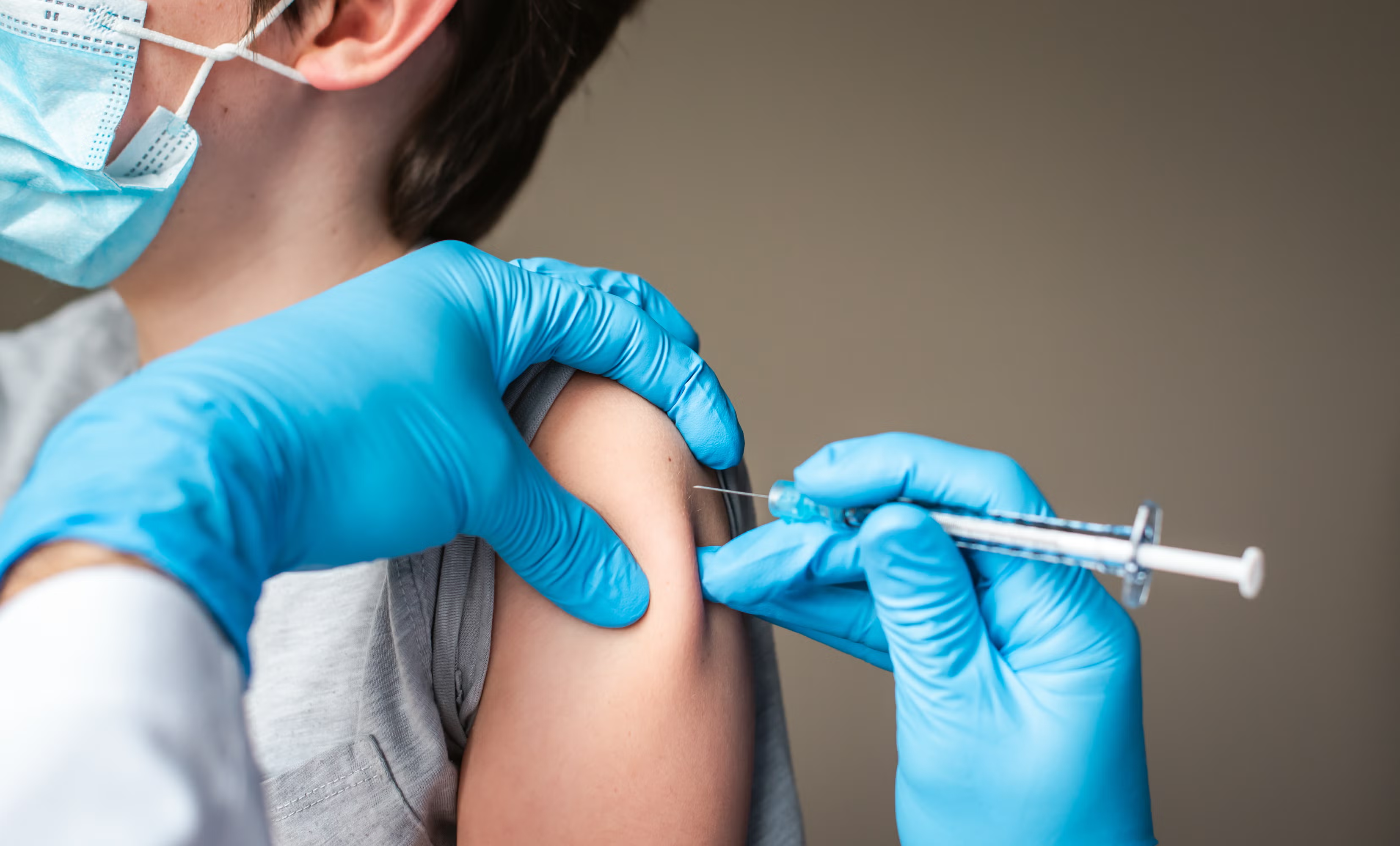
The United States is about to lose its measles elimination status this week when the Pan-American Health Organization meets to review data from multiple outbreaks that have occurred nationwide in the past two years. As of early November, there are 5,182 confirmed measles cases in 47 states—more than double the 2,289 cases reported in 45 states in 2025. This is a staggering reversal from two decades ago when measles were practically eliminated in the US with a record low of 86 cases. And here's the kicker: 96 percent of all US cases this year come from people who are unvaccinated. If you're sitting around trying to figure out whether you got the MMR vaccine as a kid, stop deliberating and just get it.
I understand the appeal of solving this puzzle first. Since there's no central repository of childhood vaccine records in the United States, according to Brian Labus, PhD, MPH, assistant professor of epidemiology and biostatistics at the University of Nevada, Las Vegas, you'd need to find your copy of vaccination records or get them from your pediatrician's office—which may or may not still be operating. You could also pursue an antibody serology blood test to check if you have antibodies against measles and other diseases. But here's what the experts told us: these tests can be expensive, costing around $250, according to Georges Benjamin, MD, executive director of the American Public Health Association, and your insurance may or may not cover them. They also take several days to get results.
While you're waiting for those results, you're potentially not protected if you live in a community experiencing an outbreak. As Labus puts it: 'While this doesn't matter for routine situations, it could be the difference between getting measles or avoiding it if you live in a community experiencing an outbreak.' Getting vaccinated is usually cheaper and faster than an antibody test, and most vaccines can be given to adults without any problems.
The path forward is straightforward. Talk to your doctor about your concerns and uncertainty regarding your childhood vaccination status, and they can suggest whether getting the vaccine for the first time or a booster is appropriate. Thomas Russo, MD, chief of the division of infectious diseases at the University at Buffalo, sums it up perfectly: 'The path of least resistance is when in doubt, there's no harm in getting a booster shot.' Even if you did get all your vaccines as a child, receiving an extra dose is going to boost your antibody levels, which is a good thing.
The measles outbreak is real. The stakes are high. Stop searching for old records, skip the expensive blood test, and make an appointment with your doctor. Get the MMR vaccine. It's the fastest, most cost-effective way to protect yourself against one of the most contagious infectious diseases in the world.