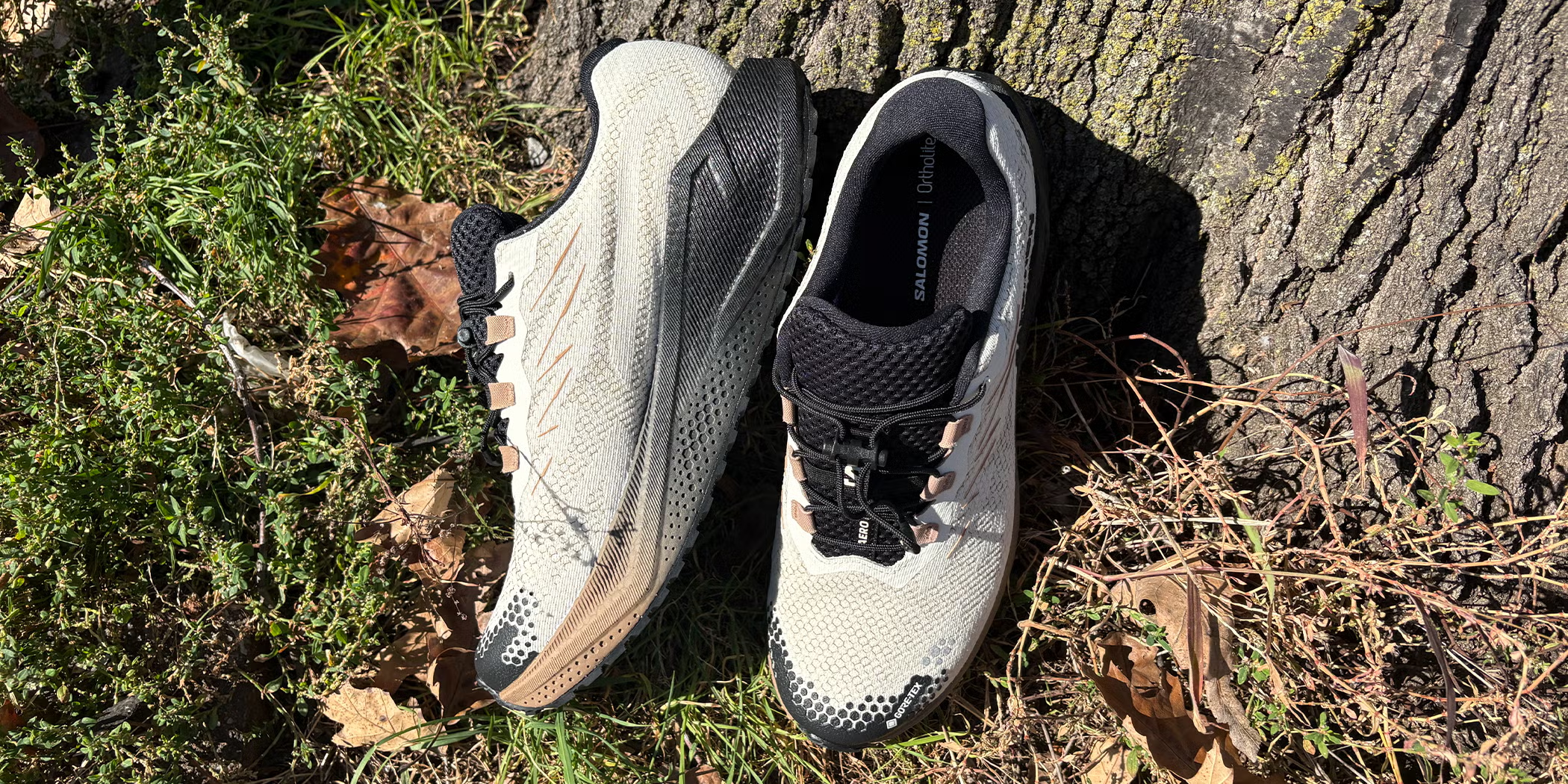
When a gravel running shoe becomes a cult favorite among nurses, techs, and other healthcare workers pulling 12-hour shifts on slick floors, we're witnessing something important: the collision of two worlds that have ignored each other for too long. The Salomon Aero Blaze 4 Grvl GTX isn't marketed as occupational footwear, yet it's becoming exactly that because the fitness industry accidentally solved problems that workplace shoe designers have been overlooking.
The Gore-Tex upper and grippy lugs that handle sloppy gravel work equally well on hospital floors and clinic corridors. The shoe is wipeable, moisture-resistant, and abrasion-resistant—practical features born from gravel running that directly address the demands of healthcare environments. This isn't a coincidence. The technical innovations in athletic footwear—waterproofing, traction design, cushioning systems—are fundamentally solving for durability, grip, and comfort in demanding conditions. Those same conditions exist in hospitals and clinics, yet specialized work shoes rarely match this level of engineering.
What's telling is that healthcare workers aren't looking for specialized occupational shoes anymore; they're shopping the gravel running section. The 2.5mm chevron-shaped Contagrip lugs provide enough hold without digging, and the optiFoam² midsole offers moderate cushioning suitable for people on their feet all day. The 8mm drop is calf-friendly, and the secure lockdown keeps feet stable through long shifts. These aren't marketing angles—they're genuine solutions to real problems, and they came from a completely different market.
The trade-offs tell us something too. The Gore-Tex membrane trades some breathability for weather and moisture blocking—a conscious choice that prioritizes protection over ventilation. That's precisely the right call for someone navigating spills, splashes, and grime in a clinical environment, yet it's a trade-off most occupational footwear brands won't make. Fitness brands are willing to optimize for specific use cases rather than chasing universal comfort.
This trend should prompt occupational safety and workplace ergonomics companies to examine what athletic footwear brands understand that they don't. The Aero Blaze 4 Grvl GTX succeeds because it was built for grip, durability, and moisture management in genuinely hostile conditions—and those conditions aren't limited to gravel trails. Until workplace shoe designers start thinking like performance engineers rather than safety compliance checklist followers, healthcare workers will keep raiding the running section. The market is speaking clearly: function and style matter as much as safety standards.