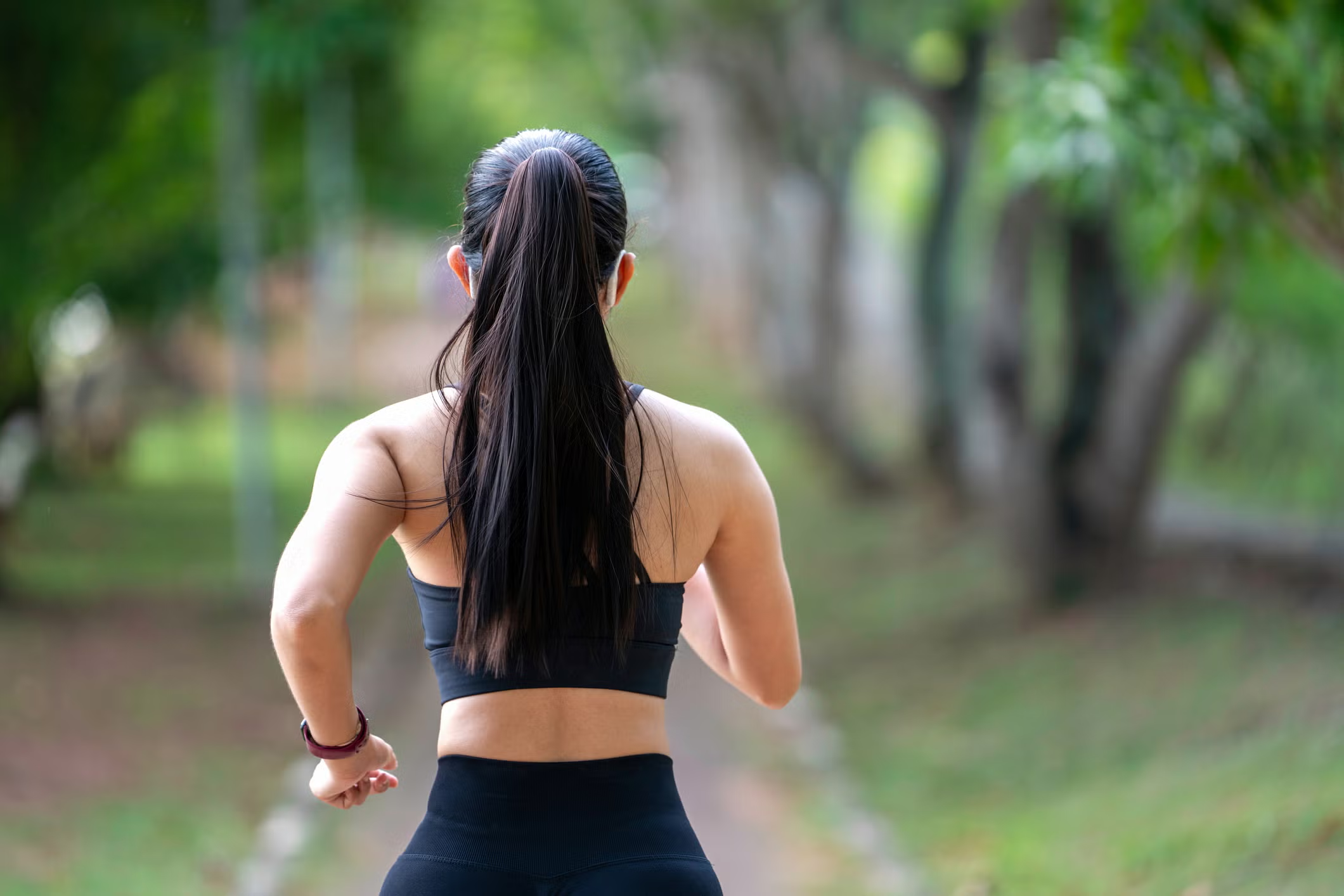
Morning walks offer particular benefits for sleep and metabolic health. Morning sun exposure helps regulate circadian rhythm and improves sleep quality that night, according to a 2024 study in the Journal of Health Psychology. A 2023 study in the Journal of Physiology found that morning walking improved blood pressure, insulin concentration, and insulin resistance compared to afternoon walking in patients with metabolic syndrome.
Body composition shows no clear advantage to morning exercise, per a 2023 study in the Journal of Physiology and a separate study in Obesity. Some people walk fasted in the morning, which may shift energy use toward fat stores. Michael Russo, MD, a bariatric surgeon at MemorialCare Surgical Weight Loss Center at Orange Coast Medical Center, notes that fasted walking could help burn more fat but may also reduce workout effectiveness if energy levels drop. Low protein intake during fasted exercise can cause the body to burn muscle for energy.
Afternoon and evening walks offer different benefits. Laura A. Richardson, PhD, a professor of applied exercise science at the University of Michigan School of Kinesiology, explains that post-meal walking helps stabilize blood sugar by increasing blood flow and allowing skeletal muscles to take up glucose from food. A 2023 study in Sports Medicine showed the benefit is greatest when walking begins as soon as possible after eating. Moderate to vigorous afternoon walks, including power walking and incline walking, substantially decreased all-cause and cardiovascular disease mortality risk compared to morning exercise, according to a 2023 study in Nature Communications. Evening walks after dinner may also reduce post-dinner snacking.
Evening exercise affects sleep differently depending on chronotype. A 2023 review in Frontiers in Pharmacology found that evening exercise delays sleep-wake cycle changes in early birds but advances them in night owls. Richardson recommends checking how evening walks affect your individual sleep patterns.
Consistency matters most. Richardson states that choosing a time you can stick with helps build habit and supports circadian rhythm regulation. Richardson also notes most walking research examines men rather than women, leaving gaps in understanding how timing affects women specifically.