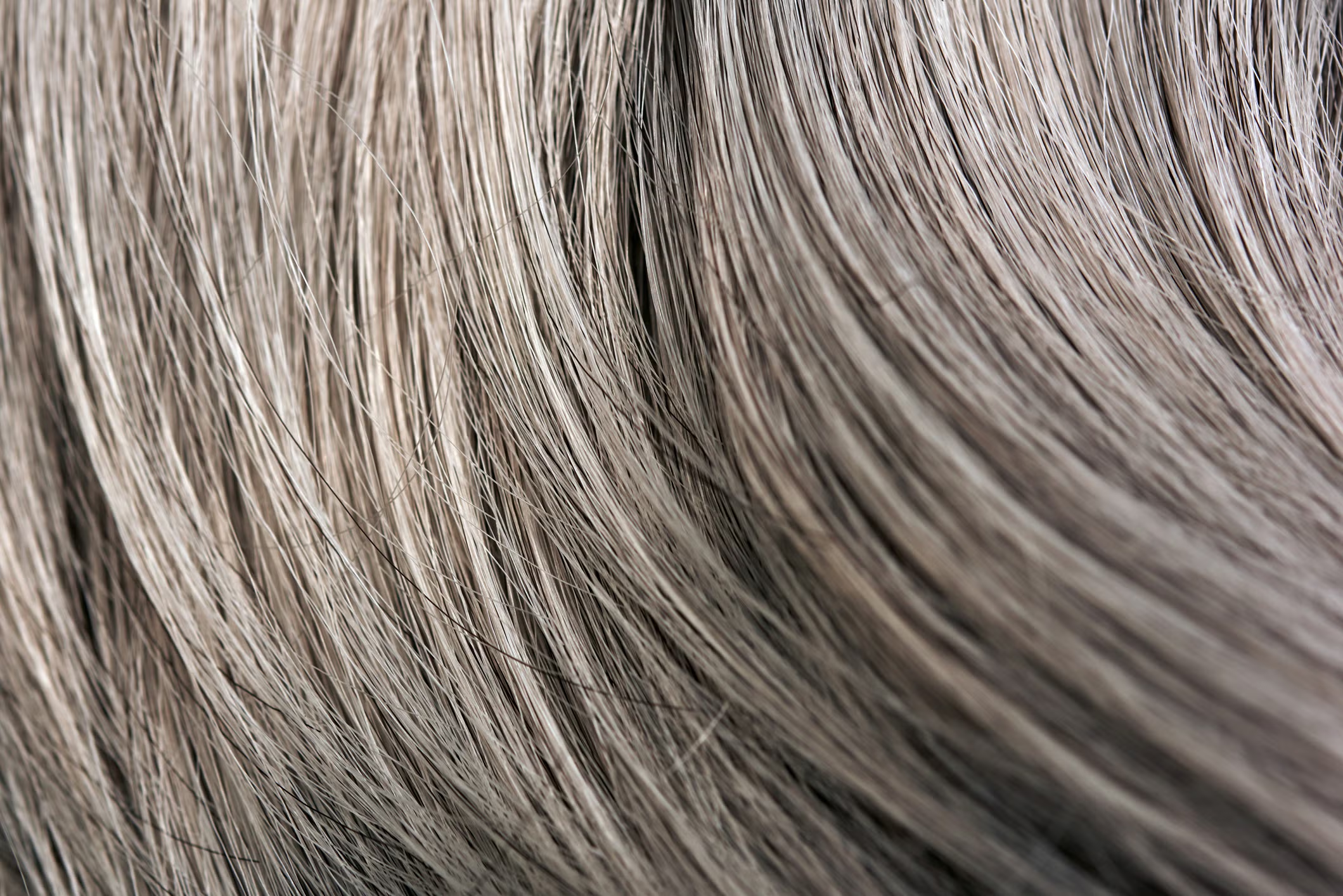
The System by Arey just completed what researchers describe as 'the first randomized, controlled, double-blind clinical trial on the novel use of a combination of an oral supplement and a topical serum on grey hair.' The results sound encouraging: participants using the treatment duo experienced a 13 percent decrease in gray hairs by week 24, while those in the placebo group saw their grays increase by 10 percent. Additionally, 88 percent of subjects in the combination group had less gray hairs or no increase in grays. But before you rush to purchase, consider what dermatologists are actually saying about this breakthrough—and what the trial's own findings reveal about its limitations.
The clinical trial included 173 men and women between the ages of 18 and 65 who had not dyed their hair for at least a month and were followed for 26 weeks. Beyond the decrease in grays, participants using The System also reported that their hair was three times thicker, fuller, and shinier than those who took a placebo. Jay Small, trichologist, celebrity hairstylist, and co-founder of Arey, argues that the study 'proves that when diet and lifestyle factors are addressed, a majority of us can slow down accelerated hair aging.' The product targets nutritional deficiencies—specifically copper, iron, Vitamin B12, and Vitamin D3—while addressing oxidative stress from UV exposure, harsh chemicals, and pollution.
However, dermatologists remain measured in their enthusiasm. Joshua Zeichner, MD, director of cosmetic and clinical research at The Mount Sinai Hospital, notes that while 'various topical treatments and oral supplements have been brought to the market and are aimed at this pathway,' none have proven to be the cure. Gary Goldenberg, MD, assistant clinical professor of dermatology at Icahn School of Medicine at Mount Sinai Hospital, explains that gray hair stems from multiple causes: 'Oxidative stress, smoking, UV exposure, nutritional deficiencies, thyroid disease, and general stress all contribute to this process.' The real catch? It's nearly impossible to know which factor is causing your grays.
Cindy Wassef, MD, a dermatologist at Premier Health Associates in Randolph, New Jersey, offers the most practical perspective: 'If it is playing a role in the graying of hair for that particular person, it is possible that they will notice less grey hair production.' But she adds the critical caveat—if your graying is genetic, The System likely won't help much. Most importantly, Dr. Zeichner emphasizes that once hair has already gone gray, it's 'extremely unlikely' that it will repigment or return to its original color, making this treatment suited only for slowing future graying, not reversing existing damage.
The System represents genuine progress in understanding hair graying, and the clinical trial results warrant attention. But consumers should approach this product with realistic expectations. It may help if your grays stem from nutritional deficiencies or environmental stress. It won't help if genetics are the culprit. And it certainly won't restore color to hair that's already silver. As Dr. Zeichner wisely concludes, 'The good news is that if these products aren't helping your grays, you can always find a good hair colorist.'