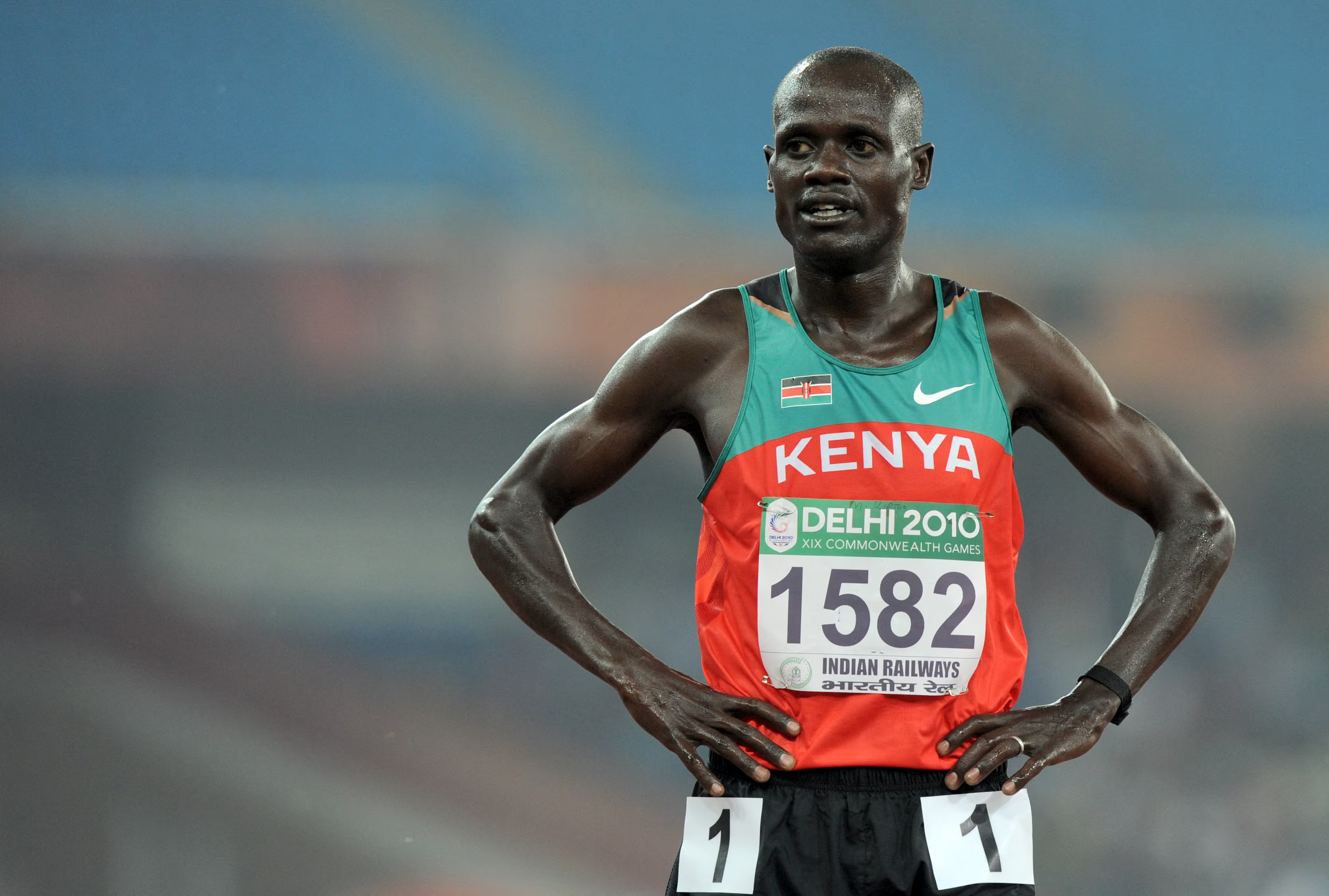
When Mark Kiptoo crossed the finish line at the Frankfurt Marathon on October 25 in 2:15:24, he didn't just break a record—he shattered a narrative that has long constrained how we think about athletic potential in midlife. By running an average pace of 5:10 per mile at age 50, Kiptoo obliterated Titus Mamabolo's 35-year-old M50 world record of 2:19:29 by four minutes and five seconds. This wasn't a marginal improvement. This was a statement that the conventional wisdom about age and performance deserves serious reconsideration.
What makes Kiptoo's achievement particularly instructive is the context of his recent history. Just four months before his record-setting Frankfurt performance, on June 21, he celebrated his 50th birthday following a 2:12:21 effort at the Geneva Marathon—a time that, had it been recorded just weeks later, would have qualified for age-group consideration. He wasn't coasting into a new decade hoping to preserve past glory. He was accelerating. Three weeks before Frankfurt, on October 4, he had already established a new M50 half-marathon world record of 1:03:57 at the San Sebastián Half Marathon in Spain.
Kiptoo's rise from a late-career start adds another layer of significance to this moment. He didn't begin competing until age 28 in 2004 while serving in the Kenyan Air Force, won the African 5,000-meter title in 2012, and didn't debut at marathon distance until age 37—in Frankfurt, where he finished second by one second in 2013. Despite losing roughly a year of training to Achilles tendon trouble and pandemic disruptions, he went on to win the Zurich Marathon three years in a row from 2023 through 2025, clocking 2:09:16 at age 48. This is a trajectory of consistent improvement, not decline.
Before Sunday's race, Kiptoo told organizers he hoped his running would inspire people not to give up or stop taking care of their bodies as they got older. That message matters now more than ever. In a culture that often treats 50 as a threshold toward diminishment, Kiptoo's 2:15 marathon is proof that with proper training, commitment, and longevity in sport, the 50s can represent a peak performance window rather than a sunset chapter.
The real lesson here isn't just about one exceptional athlete. It's that our assumptions about aging and athletic capacity may be fundamentally outdated. When World Masters Athletics officially ratifies Kiptoo's record, it should prompt a broader conversation about how we support, celebrate, and expect performance from athletes in their fifth decade. The bar has moved. And it moved decisively on October 25 in Frankfurt.