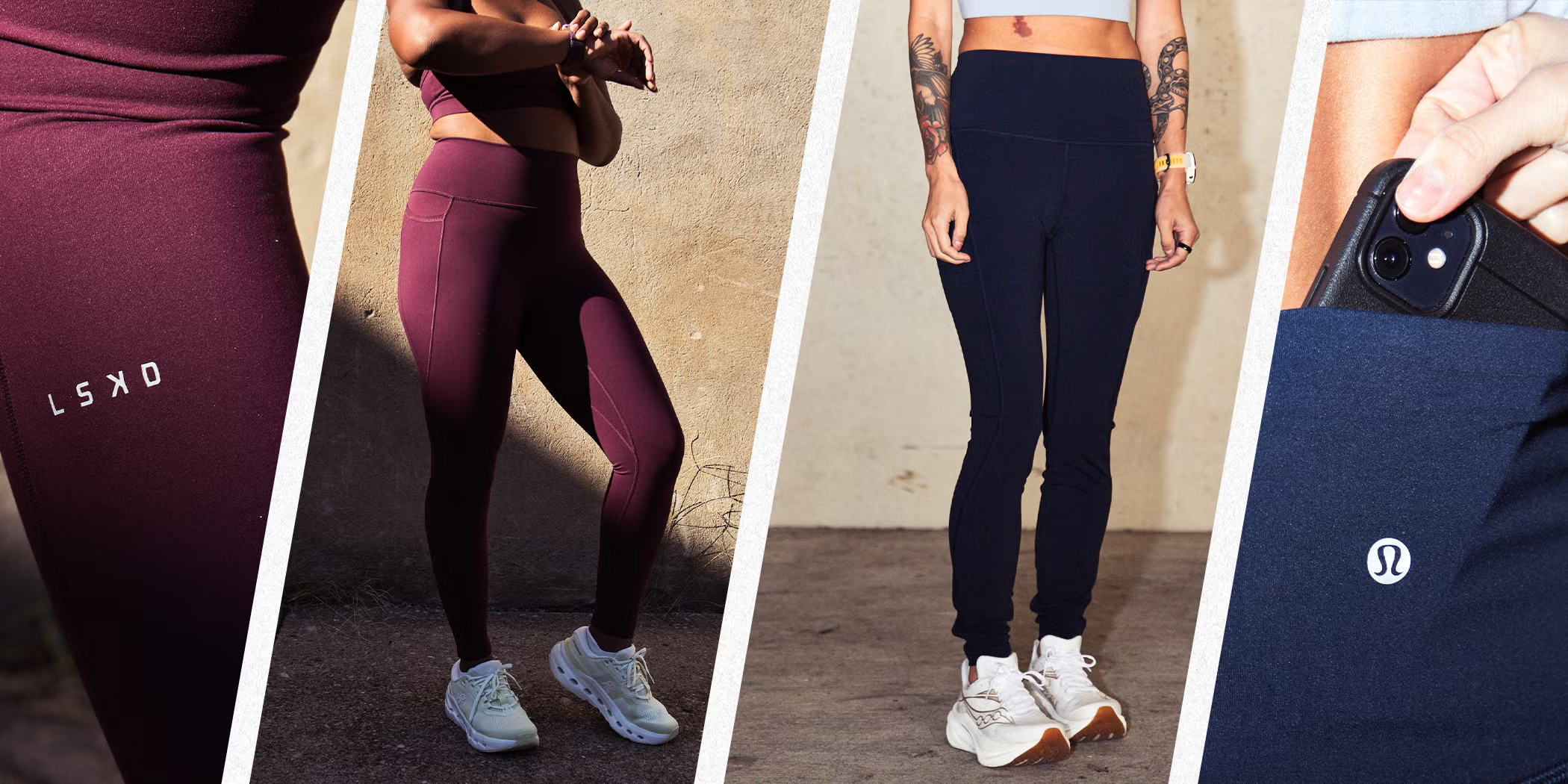
# Lululemon Align Versus LSKD Fusion: What Sets These Leggings Apart for Different Training
Lululemon Align and LSKD Fusion leggings target different workouts. The Align performs best during recovery runs and lighter sessions, while Fusion excels during hard runs, strength training, and demanding efforts.
The distinction matters because legging construction changes how fabric responds to movement intensity. Recovery runs demand minimal compression and maximum breathability. The Align delivers this through its signature Nulu fabric, which weighs less than traditional athletic materials and provides a second-skin feel without restrictive pressure. Runners doing easy-paced sessions value this because lighter fabric reduces heat buildup and allows legs to breathe during low-stress cardiovascular work.
Fusion leggings operate differently. Their construction supports higher-impact movements and intense muscular demand. During heavy strength training or tempo runs, athletes need compression and fabric stability to manage muscle oscillation. Fusion's design addresses this by incorporating support zones that prevent excess movement without sacrificing flexibility. The fabric handles sweat management during hard efforts better than lighter alternatives.
The testing framework matters here. Runner's World evaluated both leggings across multiple workout types. Recovery run performance measured comfort during 5-7 mile easy efforts at conversational pace. Hard run testing included tempo runs and speed work around lactate threshold. Strength training evaluation covered loaded movements like squats, lunges, and lateral work that demand multi-directional stability.
Align leggings showed weakness during hard efforts. Testers reported fabric movement separation from the body during acceleration, reduced hip support during lower-body lifting, and excessive bunching during dynamic movements. For these activities, the minimal compression that makes Align ideal for recovery becomes a liability.
Fusion demonstrated superior performance during demanding sessions. The leggings maintained consistent compression throughout intense movement, prevented thigh chafing during repetitive motions, and kept the waistband stable during loaded exercises. However, Fusion felt restrictive during easy-paced recovery runs, creating unnecessary heat and limiting the relaxed feel runners expect from lighter sessions.
This reveals the core training principle: workout intensity demands different equipment. Easy work and hard work engage physiology differently. Recovery sessions involve sustained aerobic effort at moderate heart rate ranges, typically 60-70% of maximum heart rate. Hard sessions spike intensity above 85% of maximum, recruiting fast-twitch muscle fibers and demanding rapid stabilization.
Choosing wrong creates problems. Wearing Fusion during recovery runs adds heat stress that undermines adaptation. Using Align during strength training risks injury from insufficient hip and thigh support during loaded positions.
The practical takeaway reflects professional athlete behavior. Elite runners and CrossFit competitors maintain multiple leggings for different purposes. They rotate based on session demands, not personal preference. A runner doing a three-day training week might wear Align on Monday's recovery run, Fusion on Wednesday's tempo session, and Fusion again on Saturday's strength work.
This approach applies beyond these two brands. Any serious training program benefits from equipment specifically matched to workout type. The investment in multiple leggings reflects the same logic as owning different shoes for different sports or races.