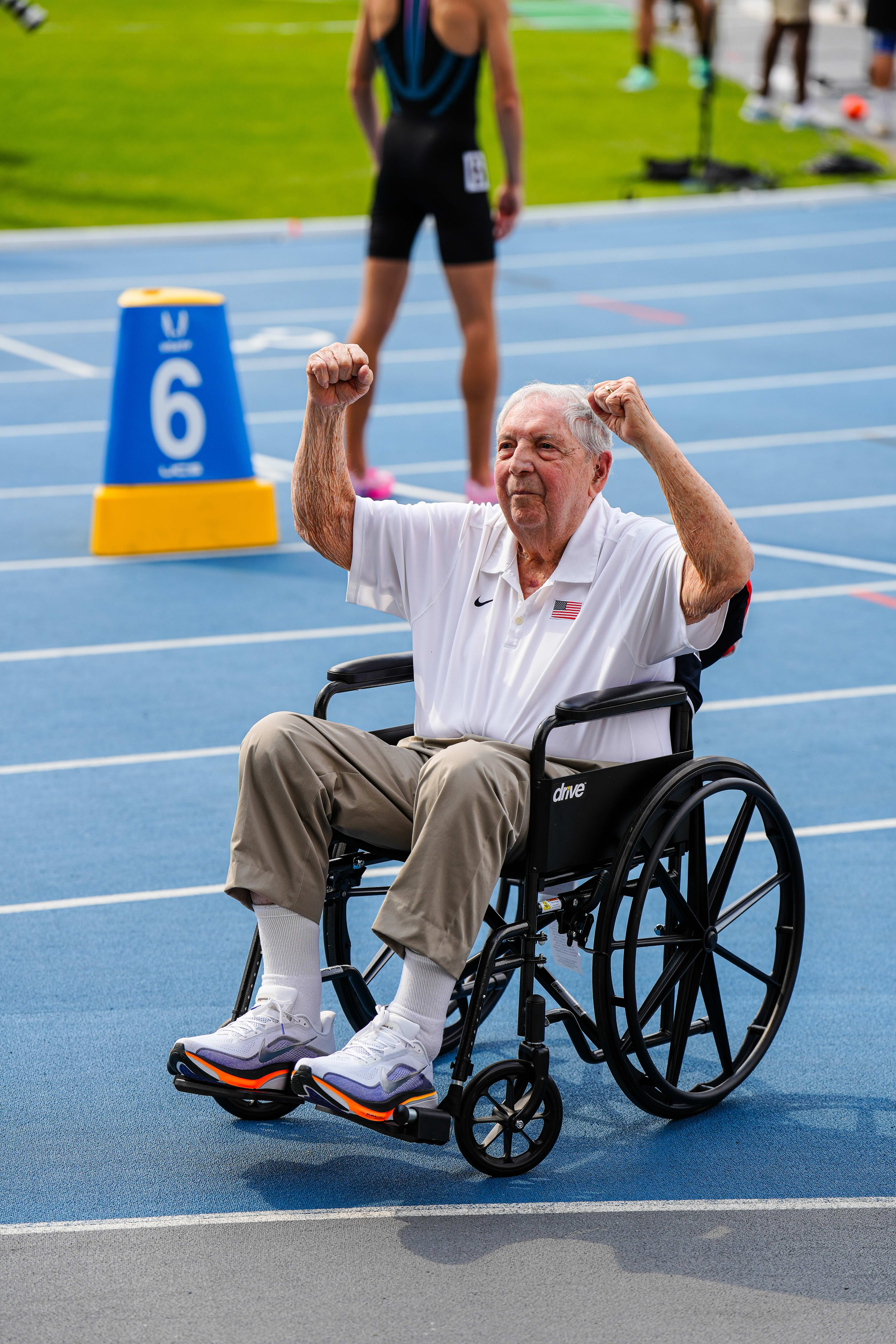
Frank Gagliano, the legendary track coach known affectionately as "Gags," died this week at age 89. His passing marks the end of a six-decade coaching career that shaped some of America's fastest middle-distance runners and produced multiple Olympic athletes.
Gagliano began his professional life as a football player before transitioning into coaching. That shift proved transformative not just for his career but for American track and field. He built a reputation as a meticulous technician who understood the biomechanics of running at the highest levels. His training methods emphasized efficiency over sheer volume, a philosophy that produced consistent results across generations of runners.
The sub-4-minute mile stands as one of track's most celebrated benchmarks. Gagliano coached runners who broke through that barrier, a feat that remains rare and demanding even today. His athletes competed at Olympic Games, bringing home medals and setting national standards that other coaches would chase for years. The specificity of his programming helped individual runners peak exactly when it mattered most, whether at Olympic trials or world championships.
What made Gagliano stand out among his peers was his ability to work with runners of different abilities and distances. He didn't operate from a one-size-fits-all template. Instead, he studied each athlete's physiology, running economy, and mental strengths before designing personalized training plans. This approach required meticulous record-keeping and constant adjustment based on performance data and physiological feedback. Such methods were less common in earlier decades, when many coaches relied more heavily on intuition and tradition.
His coaching tenure extended from the 1960s through the 2020s, giving him unique perspective on how the sport evolved. Technology changed dramatically. Running surfaces improved. Training science advanced. Yet Gagliano remained relevant by staying curious and adapting his methods while keeping core principles intact. He mentored younger coaches who would eventually carry his philosophy forward.
The track and field community recognized Gagliano's contributions through various honors and inductions. His influence extended beyond his direct athletes. Coaches he trained spread his methods to other programs. Athletes he taught passed along his wisdom to future generations. This multiplier effect cemented his legacy as one of the sport's foundational figures.
Gagliano coached through an era when American middle-distance running commanded international respect. The 1970s and 1980s saw U.S. runners competing successfully against the world's best. Gagliano's athletes represented a significant portion of that competitive class. His success proved that systematic, thoughtful coaching could produce champions across multiple Olympic cycles.
His death removes a direct link to track and field's golden age. Few coaches from that era remain active. Gagliano's insights into how he developed Olympians and record-setters came from firsthand experience implementing training theory before sophisticated analytics existed. He operated on observation, timing, and knowledge passed down from earlier coaching generations he respected.
The track community mourns not just a coach but a repository of practical knowledge about elite distance running development. His methods, documented through decades of athlete performances and coaching publications, will continue shaping how future coaches approach middle-distance training.