# The Elite Half Marathon Runners Reshaping Distance Running
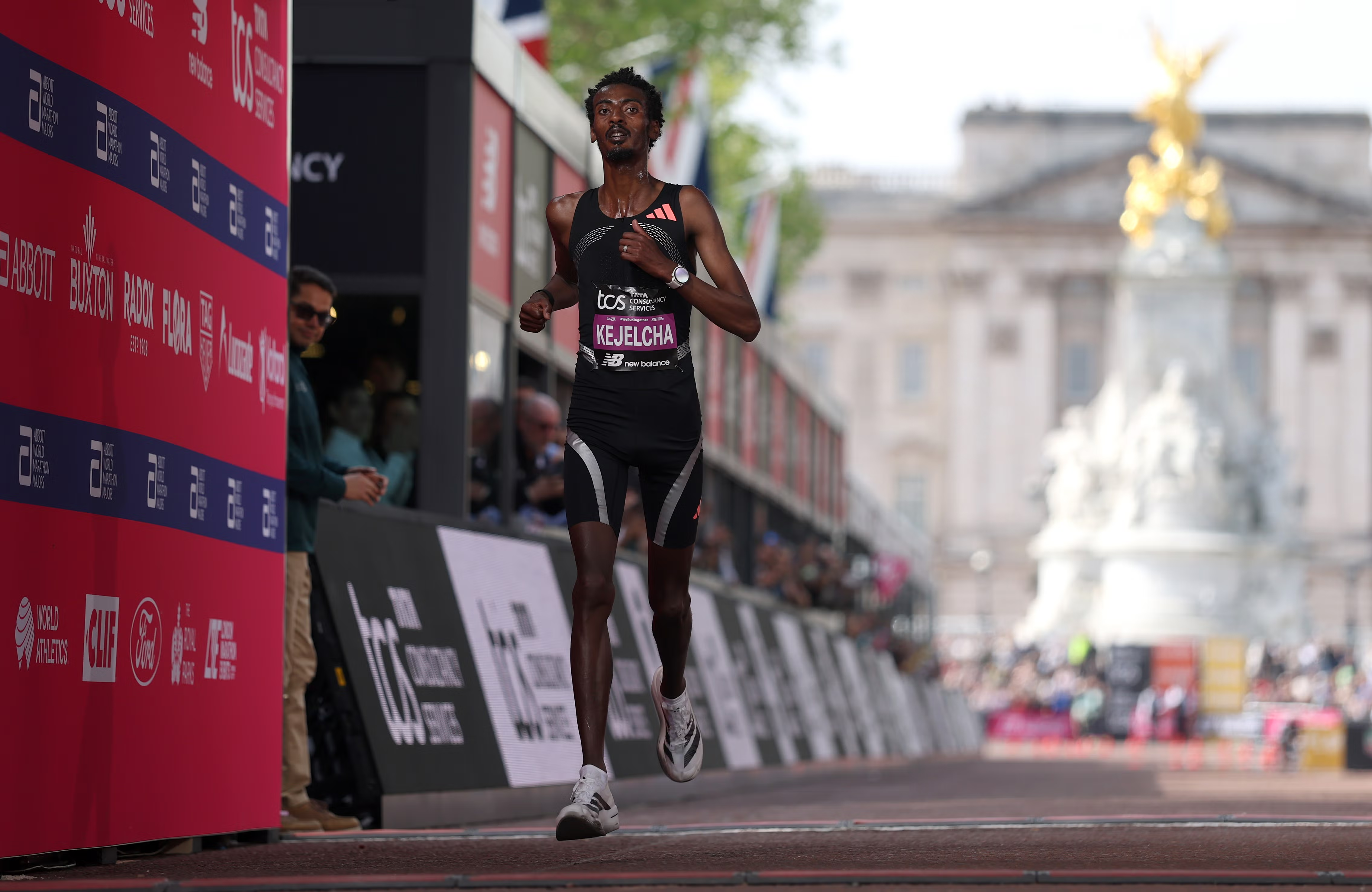
Half marathons occupy a unique space in competitive running. They demand the speed of track athletes combined with the endurance of distance runners. The world's fastest half marathoners represent the absolute pinnacle of human aerobic performance, with records that have tumbled dramatically over the past decade.
The men's world record stands at 58 minutes and 23 seconds, set by Kibiwott Kandie of Kenya in 2020 at the Valencia Half Marathon. This time represents an average pace of 2 minutes 47 seconds per mile, a speed that only elite runners can sustain for 6.55 miles. Kandie's record reflects Kenya's dominance in distance running, a nation that has produced dozens of sub-60-minute half marathoners.
On the women's side, Peres Jepchirchir of Kenya holds the world record of 1 hour, 5 minutes, and 16 seconds, also set in Valencia in 2021. Her time converts to an average pace of 3 minutes 9 seconds per mile. The gender gap in half marathon times remains significant, roughly 12 percent slower for the fastest women compared to the fastest men, a pattern consistent across most endurance events.
What stands out about the world's top half marathoners is their geographic concentration. Kenya, Ethiopia, and Uganda account for the overwhelming majority of elite performers. This isn't coincidental. These nations sit at high altitude, ranging from 7,000 to 10,000 feet, where training naturally boosts red blood cell production and oxygen utilization. Combined with a running culture that prioritizes distance work from childhood and economic incentives tied to international competition, East Africa has produced a pipeline of exceptional talent.
The training methods of elite half marathoners differ markedly from recreational runners. Top performers typically run 80 to 100 miles per week, with sessions that include tempo runs at near-race pace, high-intensity interval work, and long runs extending 12 to 15 miles. Recovery between hard efforts proves essential. Many elite runners incorporate twice-daily sessions, allowing morning workouts to be lighter while evening work targets race-specific efforts.
The all-time top performers include runners like Geoffrey Kamworor of Kenya, Alexander Kipchoge of Kenya, and Rhonex Kiprotich of Uganda. Each has dipped below 59 minutes. The women's all-time list features distance runner Letesenbet Gidey of Ethiopia and half marathon specialist Hellen Obiri of Kenya. The depth of elite competition has intensified recently, with prize money and sponsorship deals attracting unprecedented talent to the event.
Half marathons have emerged as the proving ground for marathon hopefuls. Many elite marathoners cut their teeth at this distance before attempting the full 26.2 miles. The half marathon's popularity also stems from its accessibility. It demands serious training but requires less volume than marathon preparation, making it attractive to ambitious amateur runners seeking to test their limits without the injury risk associated with marathon training.
The evolution of half marathon records demonstrates how improved training science, altitude facilities, and globalized competition continue to push human performance forward. Runners break old records with regularity now, and the next decade will likely see further drops in both men's and women's benchmarks.