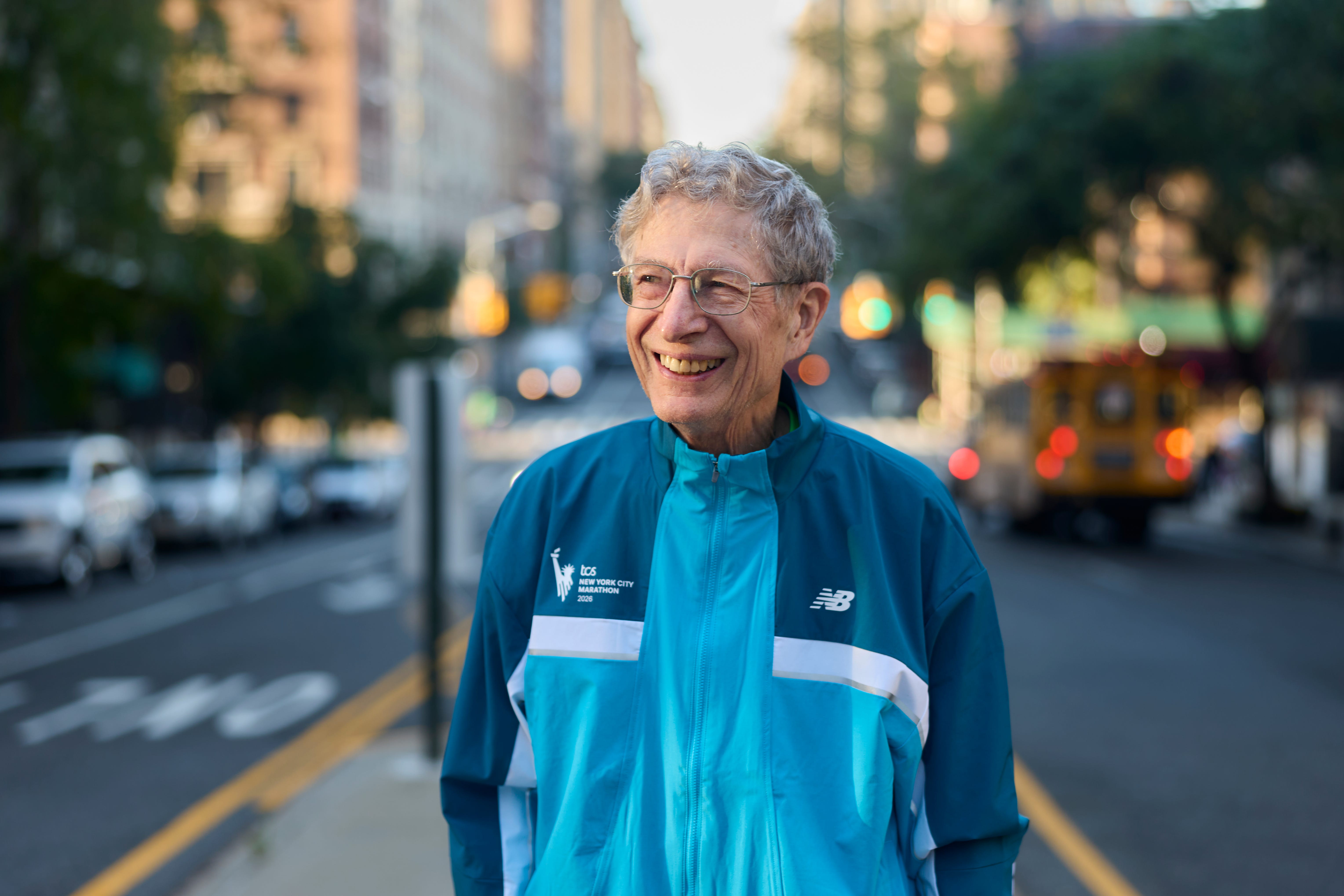
# 83-Year-Old Marathoner Eyes 50th NYC Marathon, Shares Course Strategy for All Five Boroughs
Dave Obelkevich will toe the line at the New York City Marathon on Sunday for his 50th consecutive running of the race. The 83-year-old holds the record as the longest-streak participant in NYC Marathon history, a distinction he has earned through five decades of pounding the pavement across Manhattan, Brooklyn, Queens, the Bronx, and Staten Island.
His longevity in the sport defies conventional wisdom about aging and endurance athletics. Most people who run marathons drop out after a handful of races. Obelkevich has completed every single NYC Marathon since it began accepting mass participation in 1976. That's 48 years of showing up, training, and running 26.2 miles through the same five boroughs.
For runners preparing for this year's race, Obelkevich offers practical guidance drawn from nearly five decades of experience on the course. His knowledge encompasses not just the physical demands of each section, but the mental and strategic elements that separate solid finishes from great ones.
The course familiarity Obelkevich brings matters. The NYC Marathon starts on the Verrazzano-Narrows Bridge in Staten Island, sends runners through Brooklyn's residential streets and urban landscape, crosses into Queens through Long Island City, enters Manhattan in the Bronx, travels down the East Side of Manhattan through upper Manhattan's hills, and finishes in Central Park. Each borough presents distinct terrain, crowd dynamics, weather exposure, and pacing challenges.
Obelkevich's streak reflects more than stubbornness. Running the same race repeatedly allows athletes to learn exactly where their bodies need extra fuel, where hills will test their glycogen stores, and which sections demand aggressive pacing to avoid hitting the wall. He has learned to read the course like a musician reads sheet music.
The mental component of maintaining a 50-year running streak cannot be overstated. Most distance runners face periods of injury, burnout, or life circumstances that derail consistency. Obelkevich has stayed injury-free enough, motivated enough, and committed enough to train annually for a 26.2-mile race. That requires discipline and passion that extends far beyond what most recreational runners possess.
For participants running their first, fifth, or fifteenth NYC Marathon, Obelkevich's tips reflect what data and experience show about optimal marathon pacing and execution. His advice likely emphasizes the importance of starting conservatively to preserve energy for the hills and final push through Central Park. Successful marathon runners typically run the first half slower than their goal pace, then build intensity. The NYC Marathon's geography almost demands this strategy, with Verrazzano's bridge providing an intimidating opening and Central Park's rolling terrain waiting at the finish.
Obelkevich's presence at the starting line serves as a reminder that marathon running is not a young person's sport exclusively. At 83, he demonstrates that consistent training, smart pacing, and genuine love for the sport enable athletes to compete successfully across decades. His 50th marathon represents achievement on a scale few runners ever experience.
The NYC Marathon draws approximately 50,000 runners annually. Obelkevich's streak makes him an ambassador for longevity in distance running and proof that commitment to process, consistency, and the pursuit of personal goals transcends age.