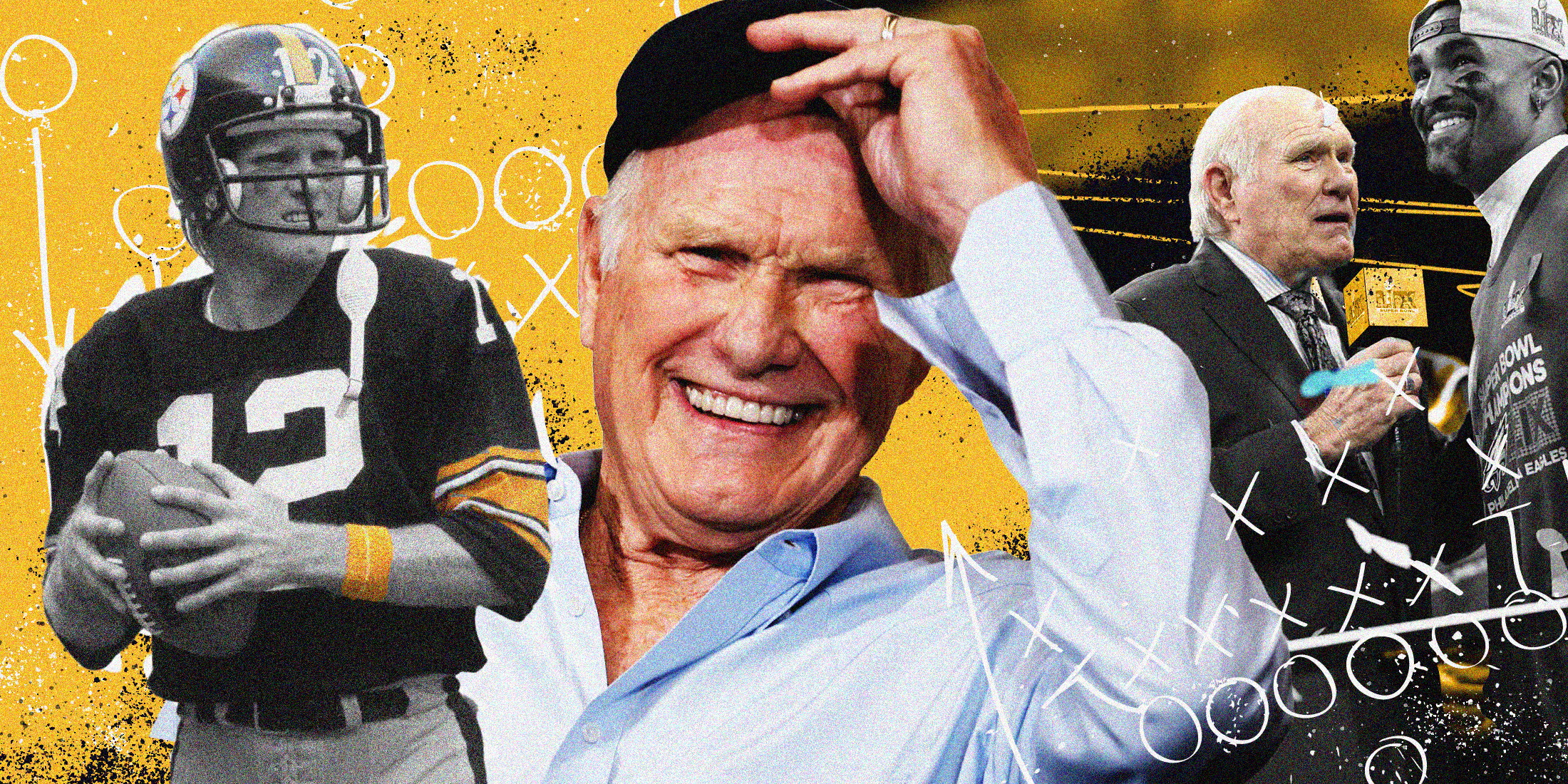
# Terry Bradshaw on Depression, Health Battles, and Life After Football
Terry Bradshaw has spent decades in the spotlight. The 78-year-old Hall of Fame quarterback won four Super Bowls with the Pittsburgh Steelers, then built a second career as a broadcaster and television personality. Now he's talking openly about the struggles most people never see.
In a recent interview with Men's Health, Bradshaw discussed his battle with depression, something he's dealt with for years but rarely addressed publicly. The legendary quarterback explained that mental health challenges followed him long after his playing days ended. Rather than frame retirement as a formal goodbye, Bradshaw makes clear he has no plans for a farewell tour or tribute. He simply wants to keep moving forward without fanfare.
Bradshaw has also faced serious health issues. He survived prostate cancer and thyroid cancer, both diagnoses that would shake anyone's confidence. Yet he approached these battles with the same toughness that defined his playing style. The four-time Super Bowl champion refused to let illness define his narrative or force him into a predetermined story arc about winding down his life.
What emerges from Bradshaw's comments is a man who values privacy about his vulnerabilities while remaining candid about what he's experienced. He rejects the sports media template that demands aging athletes perform their own farewell. No retirement announcement. No emotional press conference. No goodbye tour. Instead, Bradshaw prioritizes his health and family on his own terms.
The depression piece carries particular weight. Bradshaw's willingness to discuss mental health mirrors a broader shift in sports, where high-profile athletes increasingly speak openly about anxiety, depression, and psychological challenges. For decades, athletes kept these conversations hidden. The culture demanded invincibility. Bradshaw represents an older generation beginning to crack that facade, showing that strength and mental health struggles can exist simultaneously.
His stance on retirement also reflects generational differences. Younger athletes frequently use social media to control their own narratives. Bradshaw operates differently. He built his career during an era when athletes had less control over their stories, so now that he does, he chooses discretion. The man who commanded defenses on Sundays now commands his own exit strategy.
Bradshaw's health battles with cancer underscore how age catches up with everyone, regardless of athletic pedigree. Professional football takes a toll on the human body. Hall of Famers experience the same diseases and ailments as ordinary people. The difference lies in resources and perspective. Bradshaw has had access to world-class medical care and the financial security to focus solely on recovery without worrying about income.
The timing of this interview also matters. Sports media loves anniversary stories and legacy pieces. Networks construct nostalgic narratives around aging athletes. Bradshaw's refusal to participate in that machine shows he's learned to set boundaries. He'll speak when he wants, about what he wants. Retirement announcements need not apply.
What ultimately connects Bradshaw's depression, cancer battles, and anti-farewell stance is autonomy. He controls the narrative now. No studio executives, no network executives, no fans will dictate how his life unfolds next. That's a form of power that took decades to acquire but proves invaluable when you finally have it.