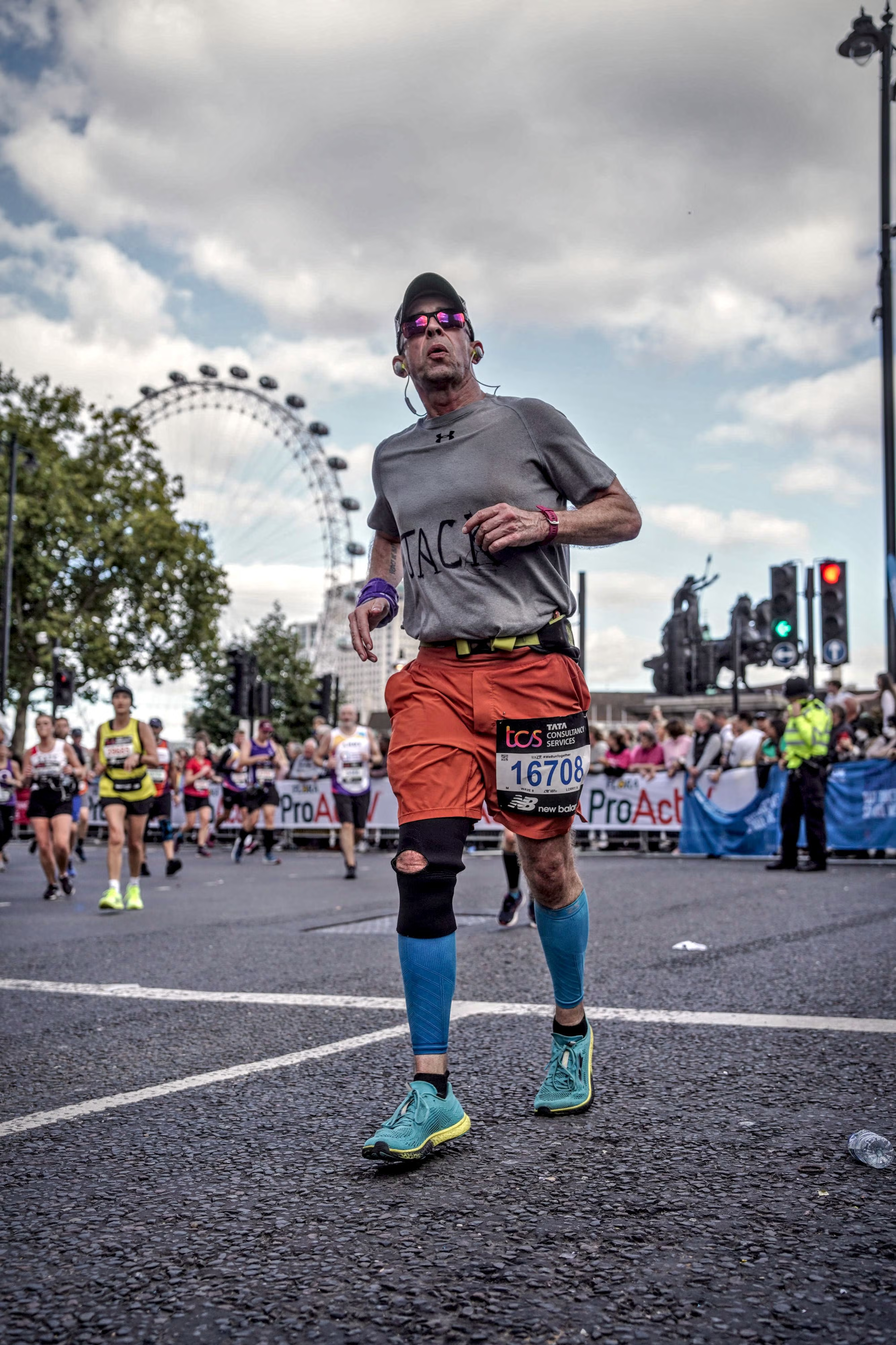
A runner in his mid-fifties discovered he had a severe aortic aneurysm during an incidental lung scan, ordered because of his smoking history decades earlier. The scan revealed his aorta was twice its normal size, with a weak spot that ballooned dangerously. Further testing showed the bulge had torn the leaflets of his aortic valve, causing blood to leak backward with each heartbeat.
The runner had attributed his declining marathon times over recent years to aging. His finish times had crept from under four hours to just under five hours, and he increasingly had to run-walk the final miles. He tried dietary changes and adjusted his running form, but nothing improved his performance. After crossing the finish line at the 2025 Falmouth Road Race, he decided to pause running.
His cardiologist recommended open-heart surgery. In February, surgeons at Massachusetts General Hospital performed a Bentall procedure, removing his diseased aortic root and ascending aorta and replacing them with a synthetic graft and carbon valve. During the procedure, his heart went into ventricular fibrillation and required four electrical shocks to restore normal rhythm.
Recovery began with walking three minutes at a time, twice daily. At six weeks post-surgery, his surgeon showed him images of his valve leaflets riddled with holes and explained the aneurysm had likely existed for about a decade, with the aortic wall "paper thin." She cleared him for cardiac rehab.
The runner began cardiac rehabilitation at a facility equipped with EKG monitors and blood-pressure cuffs, where he exercised alongside others recovering from heart surgery, heart attacks, and stent procedures.