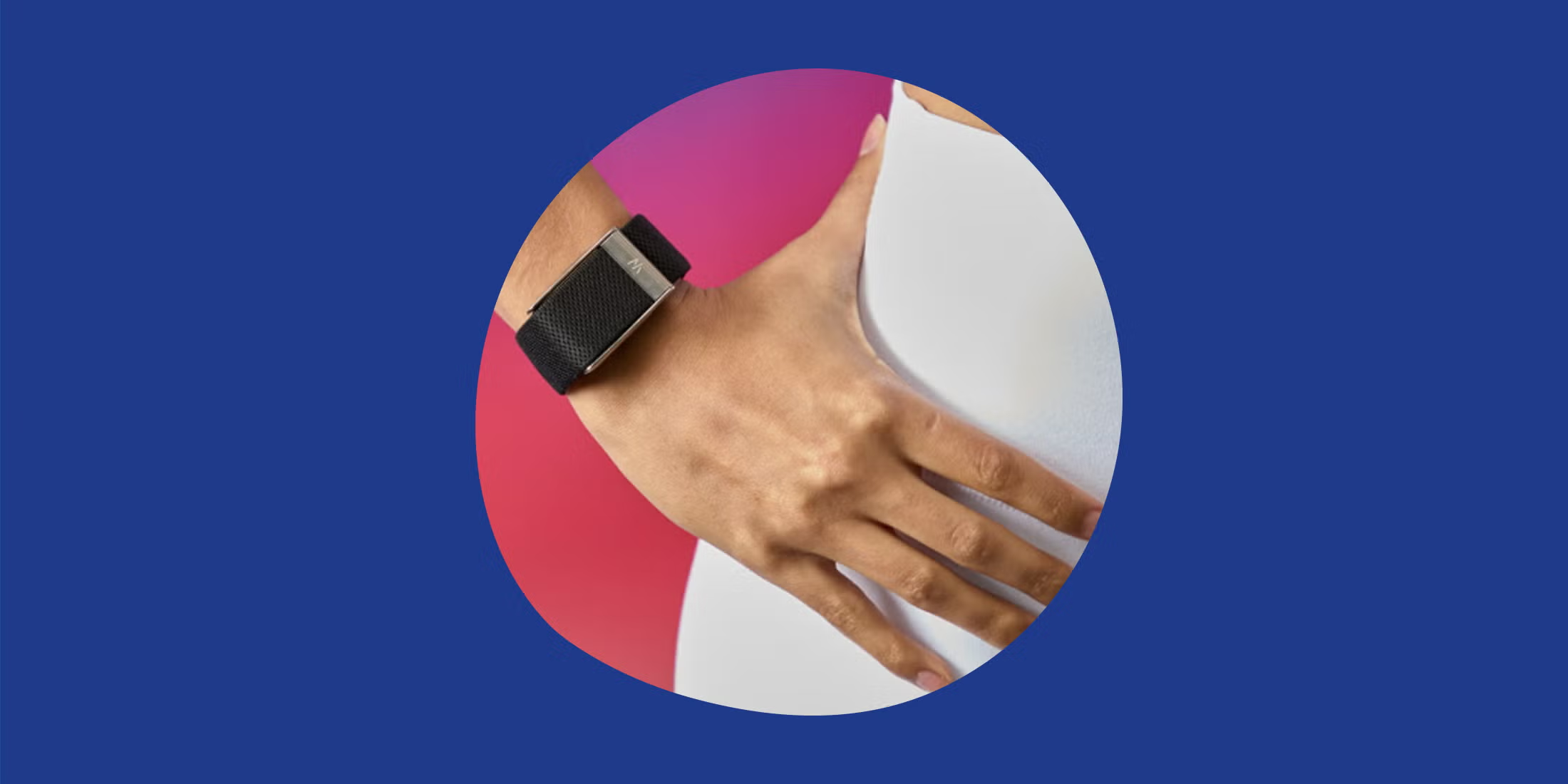
Whoop earned top marks as the best overall fitness tracker in Women's Health's tested and reviewed guide. The device uses multi-wavelength optical heart rate sensors, skin-temperature sensing, blood oxygen monitoring, and motion sensors to track resting heart rate, heart rate variability, respiratory rate, blood oxygen, skin temperature, sleep stages, strain, and recovery continuously. The app generates a daily readiness score that shows how much physical exertion the body can handle on any given day, and offers behavior change suggestions based on collected data. Whoop requires a membership with three tiers, the main difference being the level of insights and analysis provided. The editor noted the screen-free design is so comfortable she often forgets she's wearing it and only charges it twice a month.
The tradeoff is cost, since Whoop uses a subscription model and ends up more expensive over time than trackers without subscriptions. It is not the best choice for runners who want live pace, distance, or workout stats on the wrist during runs.
Google Fitbit Inspire earned the best budget pick spot for offering core fitness-tracking features in a slim design. It tracks steps, heart rate, workouts, sleep, active minutes, and general wellness trends. The band is slim enough to feel less bulky than a smartwatch, and the Fitbit app makes the data easy to understand. The main limitation is that it is not built for serious training and runners wanting advanced pace analysis, training load, recovery guidance, or race tools will likely outgrow it.
The Apple Watch Series 12 blends health tracking, workout features, smartwatch convenience, and safety tools. It features an upgraded optical heart sensor that measures heart rate every five seconds and tracks heart rate variability more frequently. The Series 12 tracks running, walking, cycling, strength training, HIIT, yoga, Pilates, swimming, hiking, and many more workouts. A new readiness score uses recent activity, training load, sleep score, and overnight metrics like heart rate, respiratory rate, skin temperature, and recovery HRV to estimate how prepared the body is for exertion on a scale of 0 to 10.