Alyssa Lombardi, an exercise physiologist and run coach, tells Runner's World that monitoring heart rate during training helps you understand how hard your body is working. A balanced training program needs easy recovery days with low heart rates paired with harder intensity workouts with high heart rates. Heart rate zones, ranging from zone 1 (very light) to zone 5 (maximum effort), can help tailor training for performance, endurance, and recovery.
Lombardi cautions that heart rate data should not be followed strictly. Heat, hydration, location, and medications can change your heart rate day to day. She notes, "It is a great tool to have but I never have my athletes follow that 100 percent." Some fit runners may show higher heart rates at lower intensity because their bodies have adapted to sustain greater workloads.
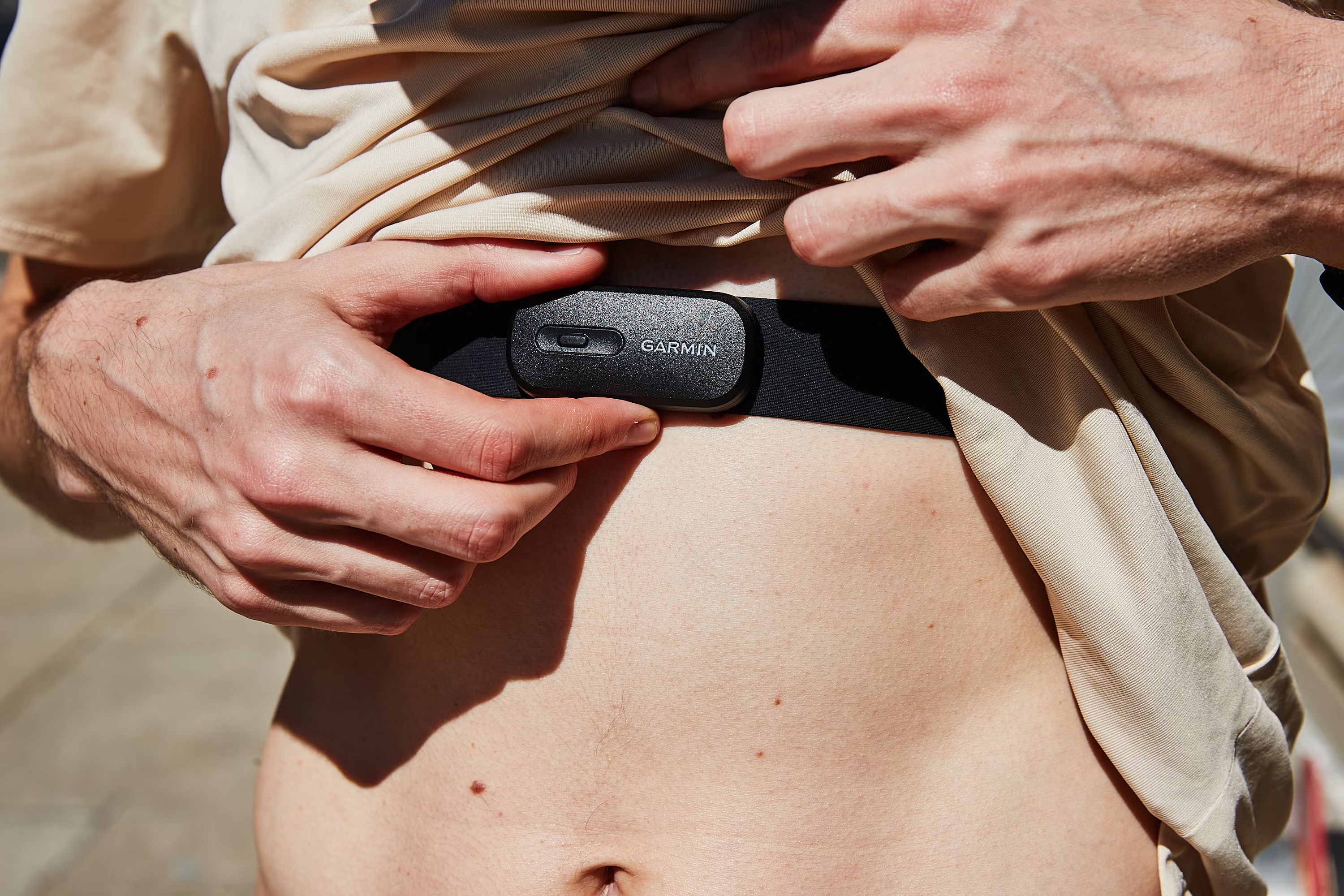
The Polar H10 uses ECG technology for precise data and includes dual Bluetooth connectivity and onboard memory. The Powr Labs Chest Heart Rate Monitor offers budget-friendly performance with dual ANT+ and Bluetooth connectivity. A Garmin HRM works with Forerunner 570 watches and above for advanced metrics like cadence and step speed loss. The Coros Heart Rate Monitor is an armband option with a stretchy fabric band and optical sensor, though it can lag by a few seconds on sudden sprints. The Garmin HRM-Fit clips onto a sports bra underband instead of wrapping around the chest. The Whoop Peak tracks heart rate plus recovery, sleep quality, and strain, requiring a phone to view stats and a monthly membership after the first year.