Matthew Cifelli, PT, DPT, CSCS, defines mobility training as controlled, active movement through a joint's full range of motion. The practice helps with daily tasks like climbing stairs, rising from a seated position, and walking with a full stride.
"Limited mobility forces the body to compensate with inefficient patterns, increasing the risk of pain, balance issues, and injury," Cifelli says. Maintaining mobility supports independence, joint health, and confident movement through life.
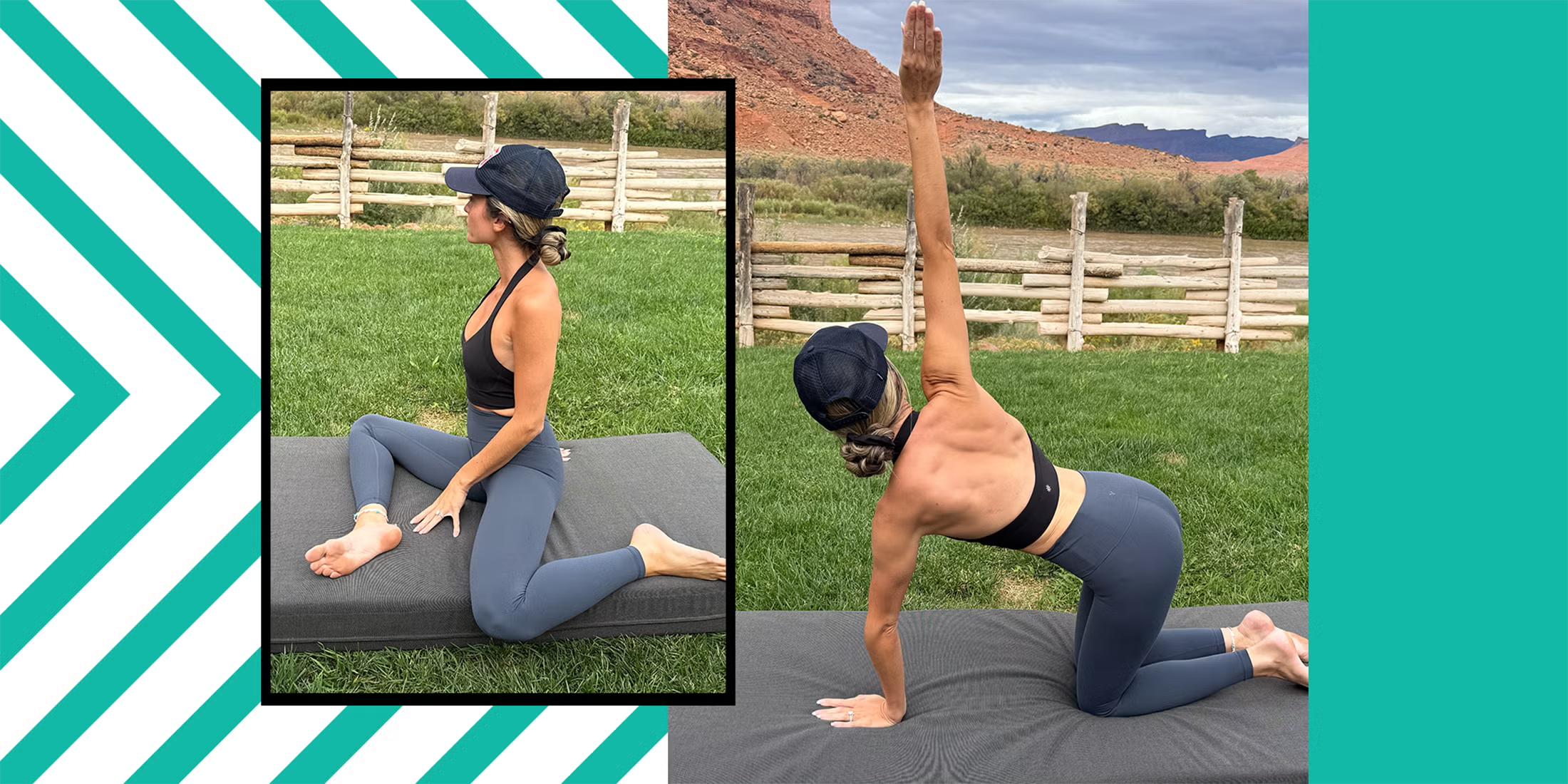
A journalist added 10 minutes of daily mobility work to her routine for two weeks. She performed exercises learned from Portia Page, CPT, spending one minute on each movement. Her routine included standing forward folds, hip flexor stretches, and supine figure-four stretches.
During week one, the journalist found certain exercises challenging. By the end of the week, she noticed improved range of motion in Pilates exercises like the mermaid and straight-back hinge. In week two, the routine became easier. She felt more limber after each session and started adding other movement throughout the day, such as hourly walks around her home and a brisk walk in the evening.
Cifelli notes that daily mobility work can help boost circulation, lubricate joints, alleviate muscle tension, and improve confidence in daily movement. "Even short sessions, when done daily, create meaningful cumulative change," he says.
Page recommends 5 to 10 minutes a day of mobility work for noticeable results with consistency. She suggests thinking of stretching "not as a luxury but as basic maintenance for your body—like brushing your teeth."