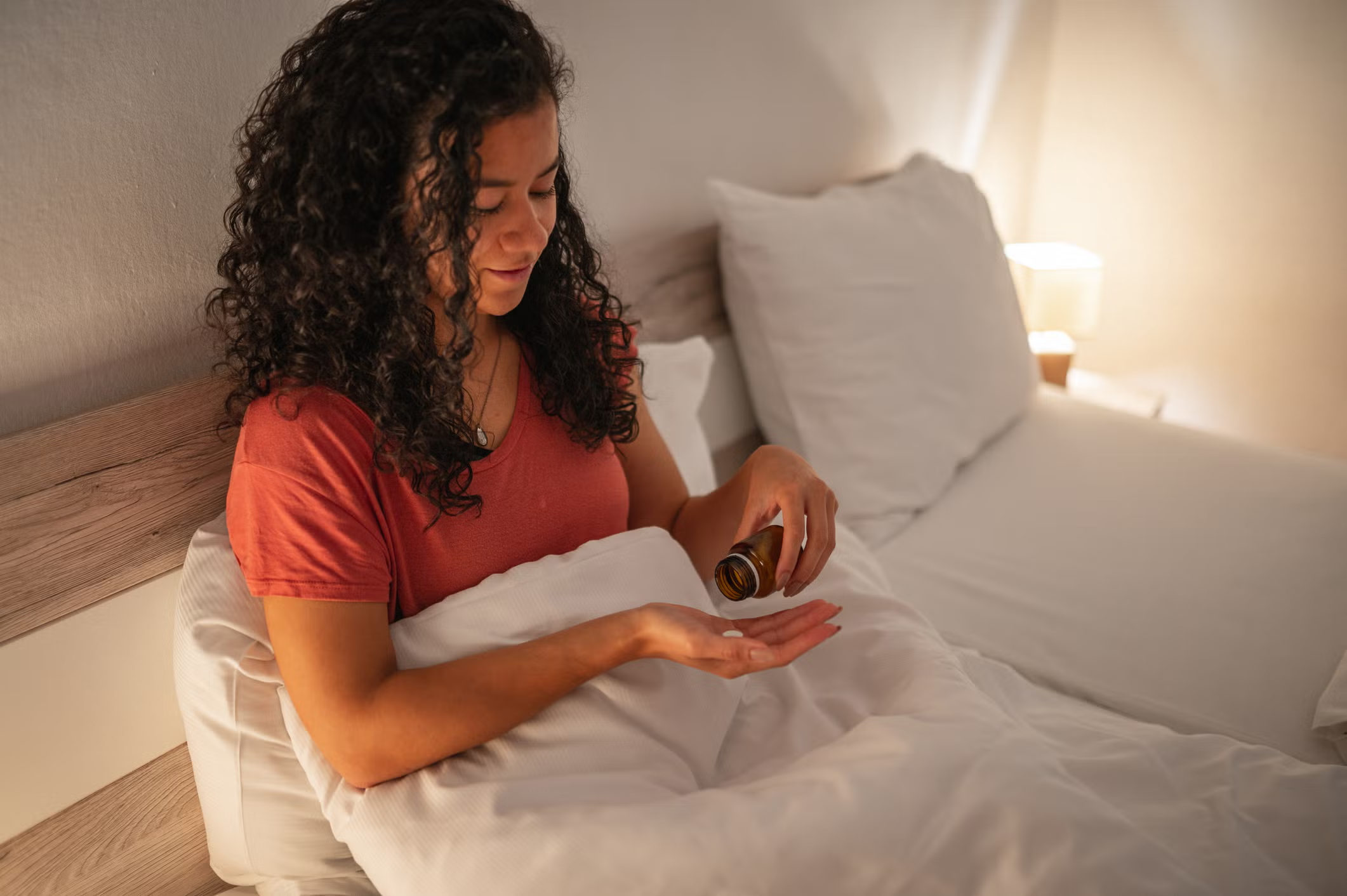
Store-bought melatonin supplements vary wildly in actual content, with samples containing anywhere from 0% to 667% of the labeled dose, according to recent research cited by Christopher Winter, M.D., a sleep medicine specialist at Charlottesville Neurology and Sleep Medicine.
A 2025 study presented by the American Heart Association found that adults with insomnia who used melatonin for at least a year had a 90% higher chance of heart failure compared with non-users. Melatonin users were also nearly twice as likely as non-users to die from any cause, and more likely to require hospitalization for heart failure.
However, Bradley Serwer, M.D., an interventional cardiologist, notes that "the study did not show causality; it merely showed a correlation." The study counted only melatonin users identified in official health records, excluding over-the-counter supplement users.
Melatonin is not a sedative but rather helps regulate the timing of sleep by mimicking the hormone your body naturally produces, says Jamie K. Alan, Ph.D., a professor of pharmacology and toxicology at Michigan State University. The American Academy of Sleep Medicine states there is not enough strong evidence to recommend melatonin for chronic insomnia.
Noah Siegel, M.D., medical director of Otolaryngology at Mass Eye and Ear, warns that people can become psychologically dependent on melatonin. He recommends one to two milligrams taken about 30 minutes before bed.
Sleep doctors do recommend melatonin for specific situations: jet lag and sleep disruptions from shift work, where it helps adjust sleep timing. For jet lag, Winter recommends using a jet lag calculator to determine timing.
Short-term melatonin use is generally considered safe with few side effects, Winter says. For sleep problems, he recommends consulting a doctor first and prioritizing sleep hygiene, such as maintaining a consistent schedule, keeping your bedroom cool and dark, and avoiding screens, caffeine, and alcohol in the evening.