Louai Razzouk, MD, a cardiologist at NYU Langone Health, explains that "food is medicine" does not mean food alone can treat disease. Instead, it means a healthier diet may prevent disease and reduce the need for medications.
Food impacts inflammation, insulin sensitivity, weight, and blood pressure, Dr. Razzouk says. Diets high in fiber may lower LDL cholesterol and triglycerides, which affect cardiovascular disease risk, and may also lower colon cancer risk.
Dr. Razzouk tells patients that if they can choose between getting protein from animals or plants, they should choose plants. He points to the Mediterranean and DASH diets as examples of eating plans that include some meat.
A warning sign of a poor diet is getting most food from delivery services, Dr. Razzouk says. "Most of the stuff that we order in, especially living in New York City, contains a lot of saturated fats, a lot of added salt, and a lot of processed food," he says.
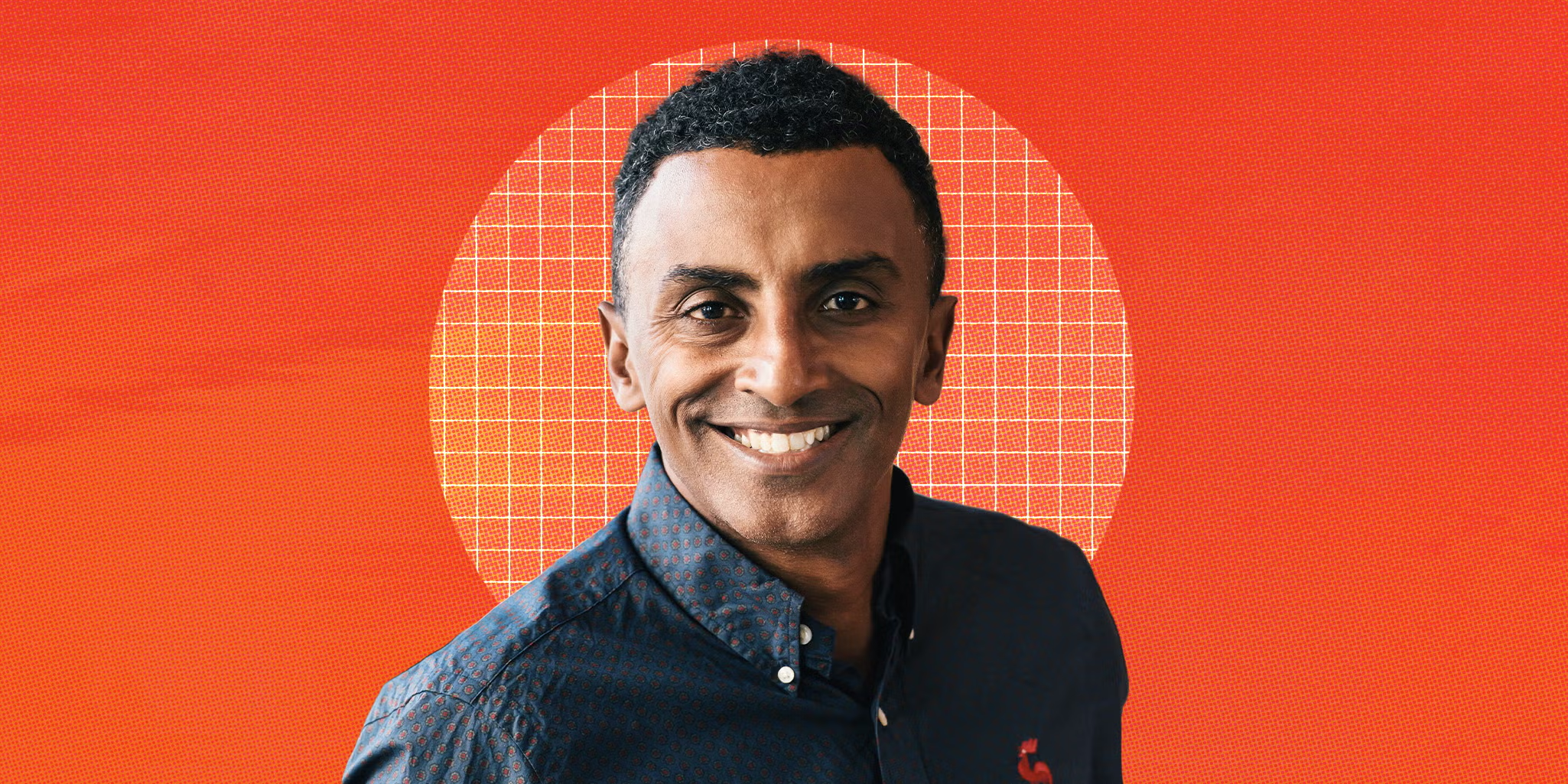
Chef Marcus Samuelsson, author of the cookbook Back to Green, grew up eating Ethiopian foods like beso, a drink made from roasted barley combined with water or milk, and shiro, a stew made from chickpea flour. He suggests chickpeas, sea moss, and soursop as plant-based ingredients to add to meals. Dr. Razzouk recommends nuts, particularly walnuts, and extra-virgin olive oil.
Dr. Razzouk tells patients to find a balance in eating that is both enjoyable and beneficial to health, noting that fad diets typically do not work.