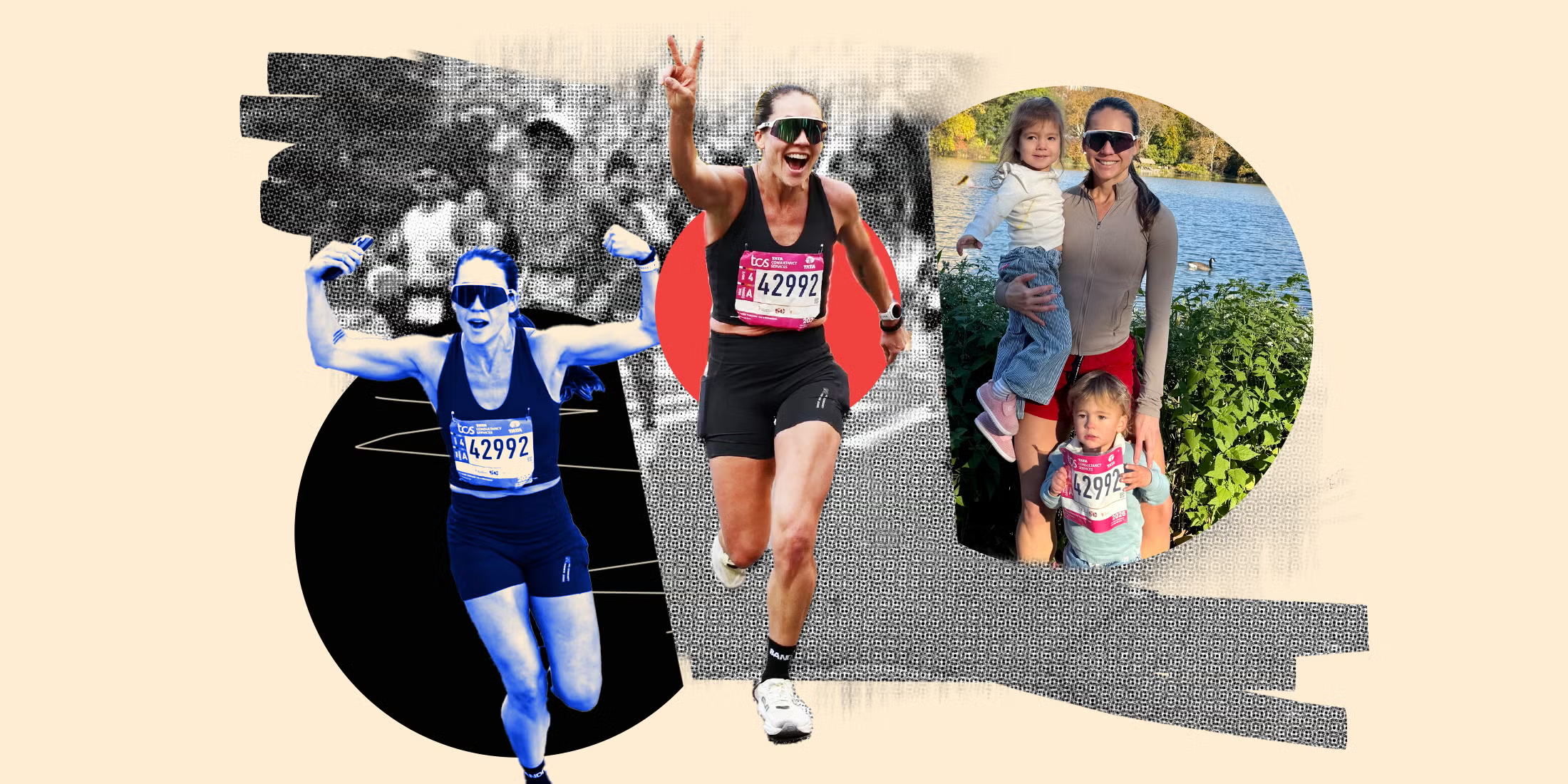
When the founding coach of the Ladder app decided to sign up for the New York City Marathon, the timing seemed terrible. She was a busy mother to a 3½-year-old and 2-year-old, working full time, and had undergone sinus surgery about six months prior. The notoriously hilly NYC course, relentless bridges, and logistics of traveling from Colorado made it the worst possible choice. Yet she committed to a three-month training block anyway—and she was right to do so.
What makes her story remarkable isn't that she executed a perfect race. She arrived at the starting line with the flu, only discovering her diagnosis after returning home. Around mile six in Brooklyn, full-body chills and a raging headache set in. She was confused, annoyed, and trying to hide from the crowds that typically fuel runners. By mile 17, she was dragging so badly she needed medicine and a quick break with her family. This was not the redemptive victory she'd envisioned after months of careful training.
Yet something shifted at mile 22, on the Fifth Avenue climb into Central Park. She experienced what she describes as a supernatural breakthrough—a combination of adrenaline and gratitude for what her body was accomplishing despite illness. She finished strong, but expected to feel victorious or relieved. Instead, she felt disappointed that it was over. Not because of her performance, but because she'd grown attached to the experience itself.
Her insight cuts to the heart of what marathons truly offer: The marathon is hard for everyone, regardless of pace or whether it's their first or tenth attempt. There's an undeniable camaraderie on the course because every runner is going through something taxing together. Finish times cannot capture months of hard work or actual capability. No two marathons are identical—different climates, crowds, elevations, and race-day challenges ensure that the 26.2-mile distance means something different to each person crossing that finish line.
The course teems with inspiration: people of all ages, with limb differences, on wheels, with vision impairments, pregnant runners, and those pausing mid-race to breastfeed. Everyone has a story. This diversity makes the marathon one of the most inspiring environments available to runners. Her advice is straightforward: If you wait until you feel ready, you'll be waiting forever. The imperfections—the illness, the busy schedule, the setbacks—weren't obstacles to overcome. They were the entire point.