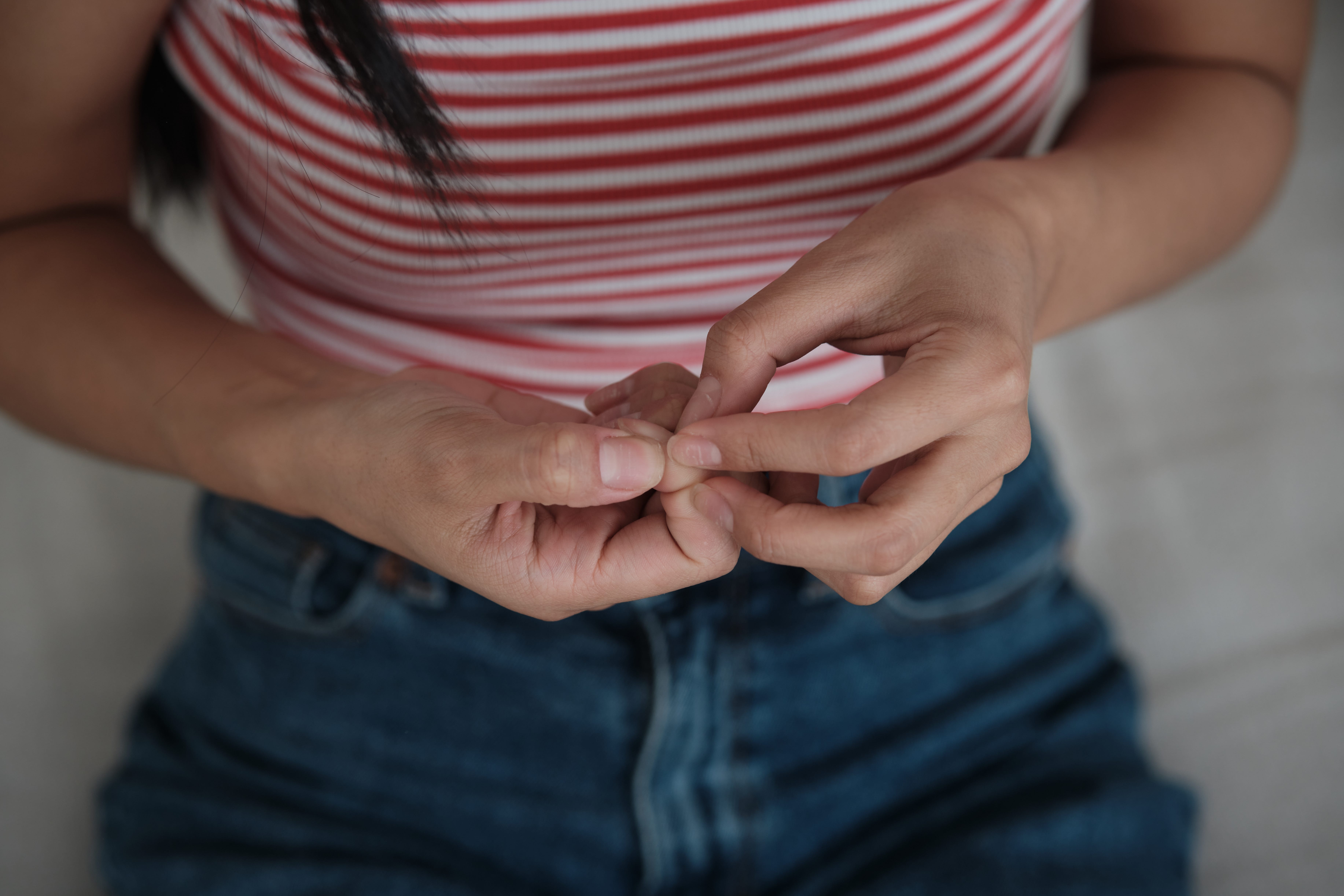
Flexible nails are generally normal and do not indicate a health problem, especially if you have always had them, according to Chris Adigun, M.D., a board-certified dermatologist and president of the Dermatology & Laser Center of Chapel Hill, N.C.
Nail thickness and flexibility exist on a wide spectrum. The nail plate sits above the nail matrix, a group of cells that produces new nail tissue made mostly of keratin protein. Genetics, biology, nutrition, and overall health determine how much keratin the matrix produces. Fewer keratin layers result in thinner, bendier nails.
Nails naturally thin and become more bendable with age as the nail matrix atrophies, causing dryness and vertical ridges. Dr. Adigun notes that slow thinning over years is expected. However, sudden changes in thickness or flexibility occurring over months rather than years warrant a dermatologist visit.
Brittle nails, a condition involving splitting, chipping, peeling, or keratin layers breaking back, affect about one in five people and occur more commonly in women over 50. Other symptoms to watch include dents shaped like spoons, which can signal low iron or vitamin B, or clubbed nails curving out at the end, which may indicate heart, lung, or digestive disease.
To maintain nail health, moisturize with plant-based oils rather than petroleum-based products. Dr. Adigun recommends daily application of products like Doctor Rogers Restore Healing Balm. Avoid nail hardeners, which can make nails too rigid and prone to cracking. Also skip polish with formaldehyde and acetone-based removers, both of which strip lipids from nails. Brian Toy, M.D., a board-certified dermatologist at Providence Mission Hospital, suggests wearing gloves while washing dishes and applying Cutemol Emollient Cream to cuticles after handwashing. Biotin supplementation of 5,000 micrograms up to twice daily may also improve nail health, Dr. Toy says.