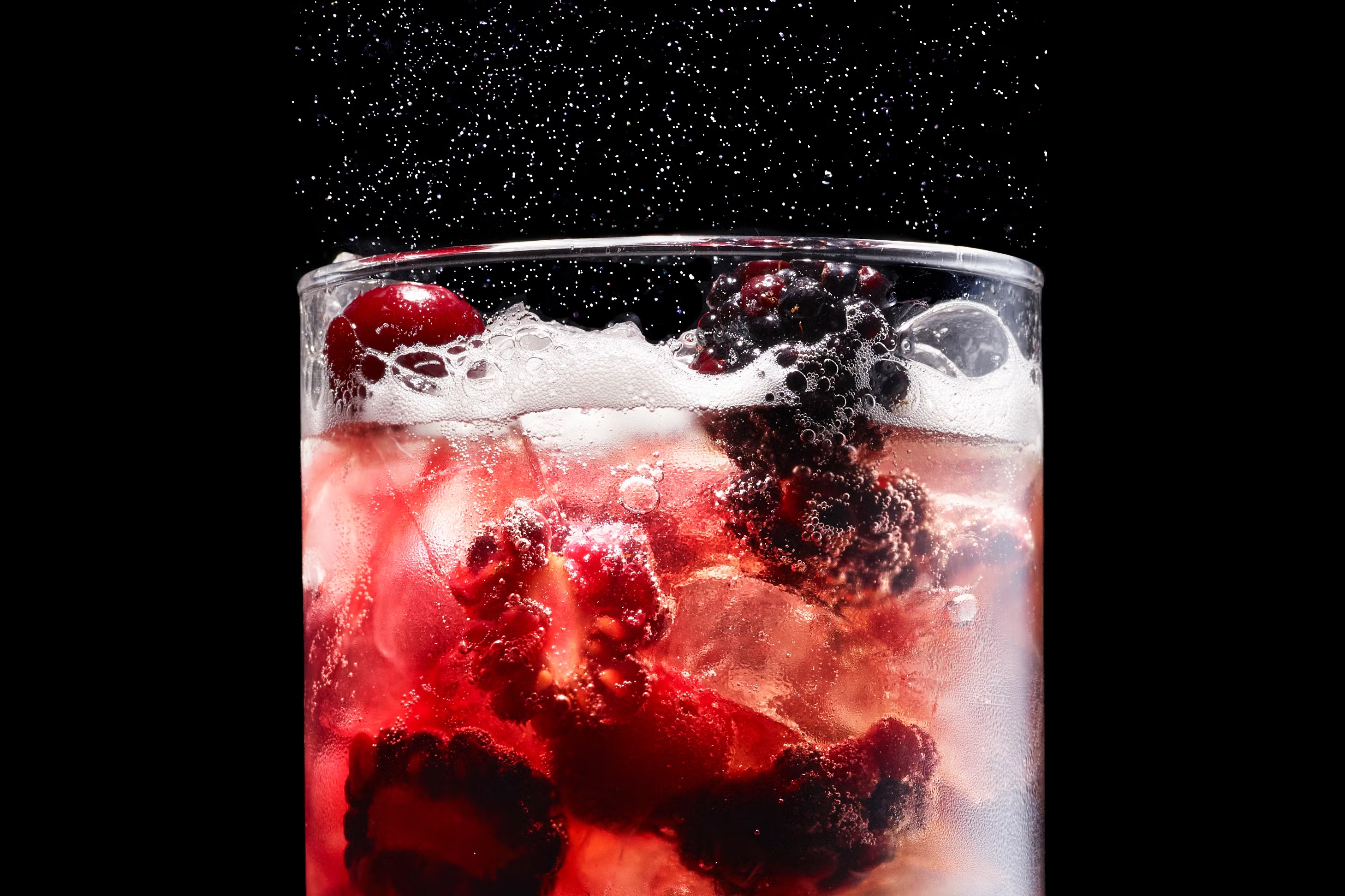
A study presented at the United European Gastroenterology Week 2025 found links between daily consumption of sweetened beverages and metabolic dysfunction-associated steatotic liver disease (MASLD), formerly called nonalcoholic fatty liver disease.
Researchers analyzed data from 103,251 UK Biobank participants who had no liver disease at the start. Daily consumption of nearly 9 ounces of any non-water beverage was associated with a significantly higher MASLD risk. Sugar-sweetened beverages raised risk by 50 percent, while low- or non-sugar-sweetened beverages raised it by 60 percent. After a 10-year follow-up, 949 people developed MASLD and 103 died from liver-related causes.
Replacing nearly 12 ounces of sugary beverages with water lowered MASLD risk by 14.4 percent and by 13.5 percent with low- or non-sugar-sweetened drinks. Switching from sugary soda to low-sugar beverages did not help reduce MASLD risk.
The researchers did not specify which low- or no-sugar drinks participants consumed. Danbee Kim, MD, nutrition expert and assistant professor at Rutgers New Jersey Medical School, states that beverages marketed as natural or health-oriented may still affect liver health if they rely on sweeteners instead of sugar.
Lihe Liu, lead study author and graduate student researcher at The First Affiliated Hospital of Soochow University in China, suggests low-calorie sweetened beverages may affect liver health by altering the gut microbiome, interfering with fullness signals, increasing preference for sweet foods, and stimulating insulin secretion.
Albert Matheny, RD, CSCS, registered dietitian and co-founder of SoHo Strength Lab, explains that consuming something sweet triggers the same bodily response as consuming actual sugar. Your body produces more insulin and encourages the liver to take in more sugar from your bloodstream, potentially leading to metabolic disruption.
Kim notes that some artificial sweeteners may alter how the body handles glucose and insulin, contributing to insulin resistance, a key driver of fat accumulation in the liver. Liu acknowledges this explanation remains speculative since her team did not investigate the mechanisms deeply.
If occasional consumption occurs, experts say risk is unlikely. Matheny notes that prebiotic sodas and unsweetened iced tea in moderation are probably fine, though water remains the superior choice.