Elizabeth Corkum, an RRCA-, UESCA-, and USATF-certified run coach, explains that runners training for fall and spring marathons often schedule their most demanding workouts during unfavorable weather: summer heat and humidity or winter cold and darkness. Shifting to winter or summer races allows runners to complete peak training in spring or fall conditions instead.
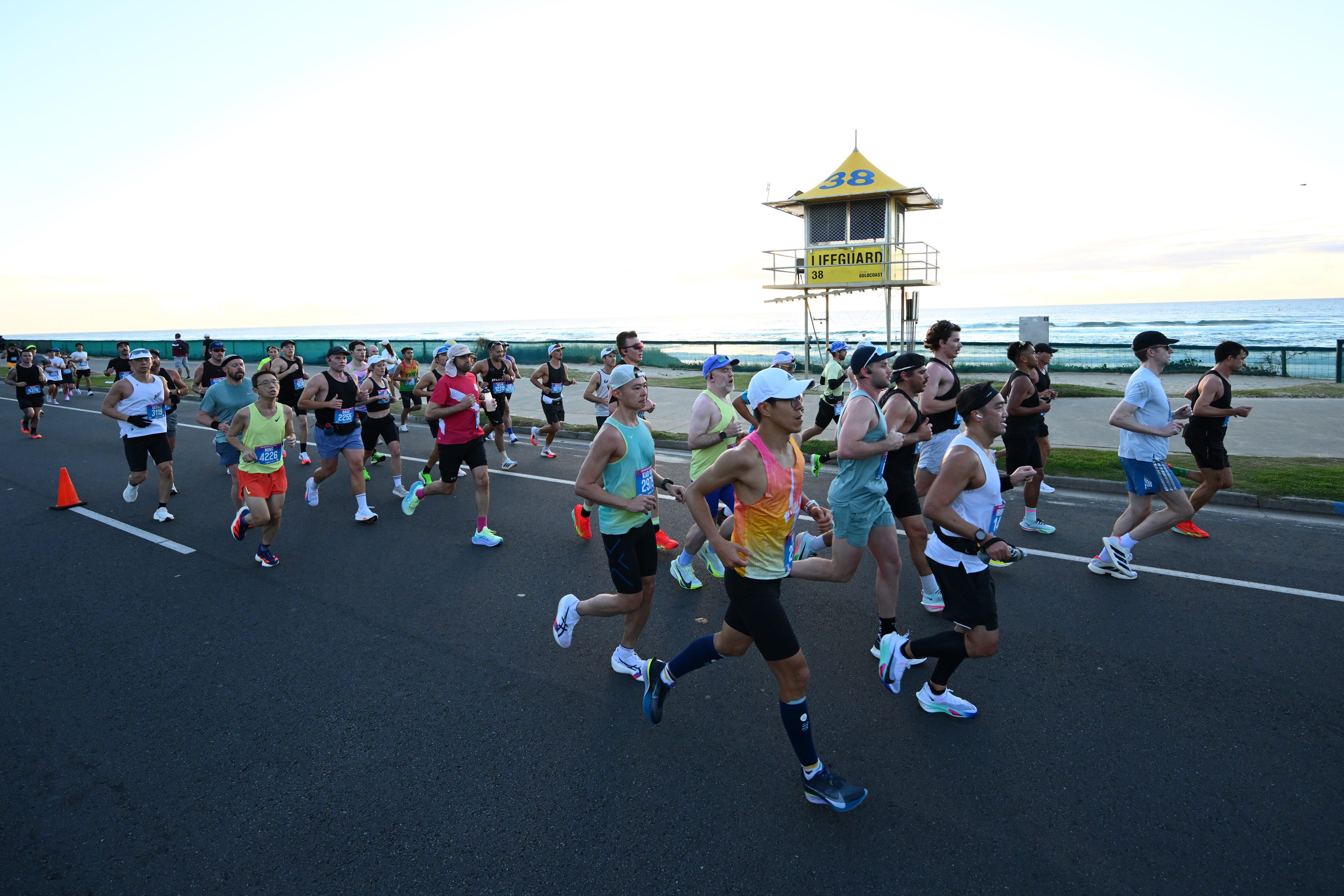
Corkum suggests races like the California International Marathon in December or Houston Marathon in January for runners who struggle with summer heat. Those who find winter training difficult might train in spring for summer races such as Grandma's Marathon in June, San Francisco Marathon in July, or Gold Coast Marathon in July.
Training during preferred seasons improves consistency and enjoyment. Corkum notes that running in cooler months reduces heart rate at the same effort level by 5, 10, or even 15 beats per minute. This lower physiological stress allows her to handle 10 to 15 more miles weekly while requiring less recovery.
A 2024 Sports Medicine study of more than 119,000 runners found that higher averages of easy-running mileage correlated with faster race performances. Corkum emphasizes researching a race's average temperatures and dew points over the past 10 years to plan training seasons effectively.
Even when prioritizing favorable training conditions, runners should prepare for unexpected race-day weather. Corkum recommends passive heat training through hot tubs, steam rooms, or saunas if your training season lacks hot and humid exposure. On race day, she advises adjusting expectations, fueling, and pacing rather than forcing effort when conditions prove difficult.