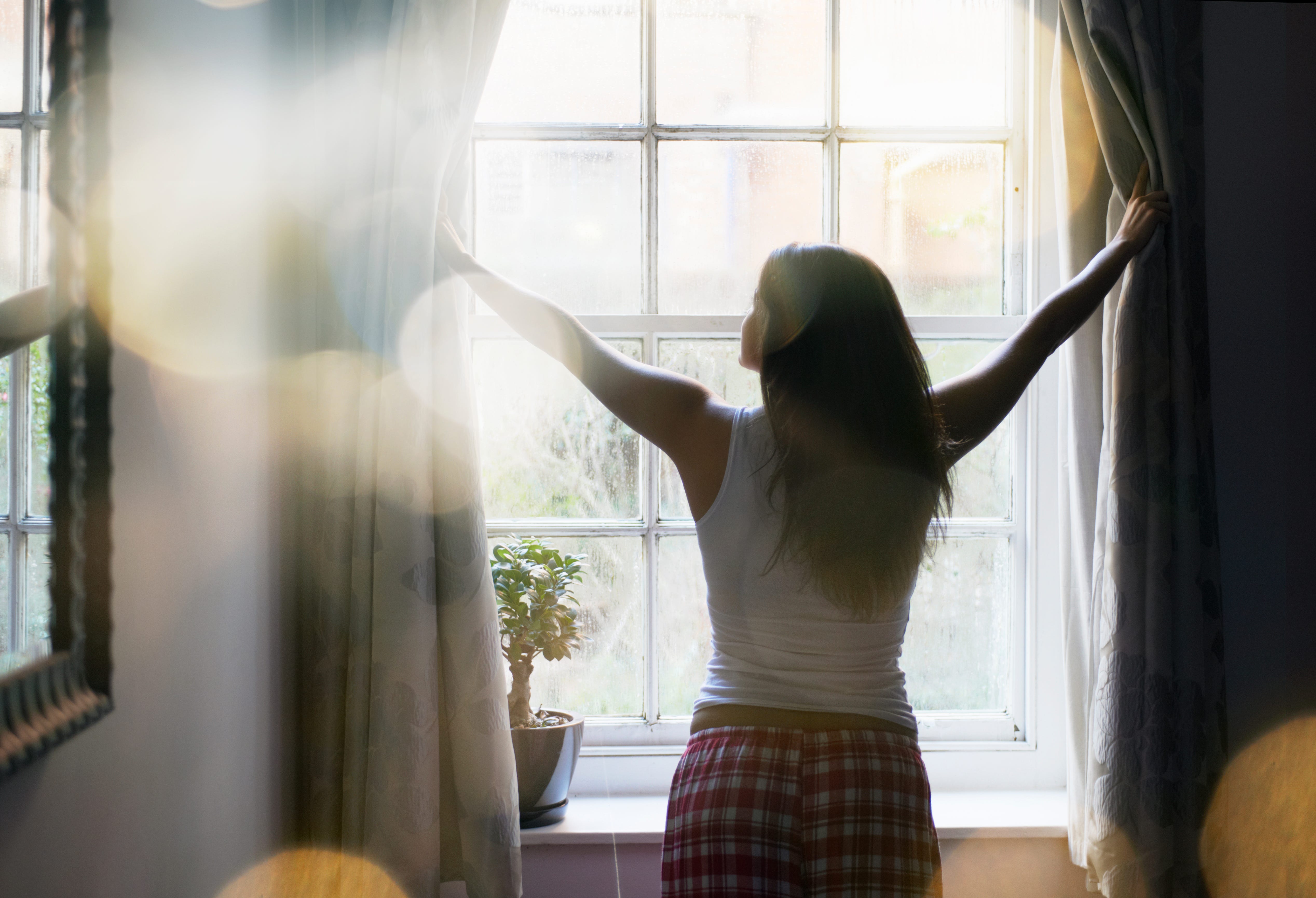
A study of 87,577 dementia-free participants found that those exposed to at least 0.7 hours (42 minutes) of bright daylight per day were about 17% less likely to develop dementia over an eight-year follow-up period, according to research published in General Psychiatry.
The protective association held even after researchers accounted for physical activity, diet, obesity, and cardiovascular health. Notably, vitamin D levels did not affect the findings.
David Perlmutter, M.D., a board-certified neurologist, explains that light exposure activates the brain's master circadian clock, which coordinates sleep-wake cycles, hormonal signaling, and metabolism. Proper circadian synchronization allows for restorative sleep, during which the brain removes metabolic waste and manages inflammation. Disrupted circadian rhythms may alter the function of microglia, the brain's resident immune cells.
The association appeared stronger among individuals carrying the APOE4 gene variant, which increases Alzheimer's disease risk.
Dr. Perlmutter recommends making natural daylight exposure an intentional daily habit, ideally during morning hours. A morning walk combines light exposure with exercise, another factor for brain health. During shorter winter days, he suggests scheduling outdoor activities during available daylight, taking work breaks outside, or maximizing natural light indoors. Light therapy lamps can help in climates with limited daylight, though he notes there is no evidence these devices prevent dementia.
He cautions against interpreting the 42-minute figure as a "magical cutoff" and warns that the study was observational, establishing association rather than cause-and-effect. Wrist-worn devices measuring light exposure may not accurately reflect actual long-term exposure or light reaching the eyes.
Perlmutter emphasizes a comprehensive approach to brain health: regular exercise, a diverse nutrient-rich diet, adequate sleep, meaningful social connections, and avoiding smoking. He also warns against excessive ultraviolet exposure.