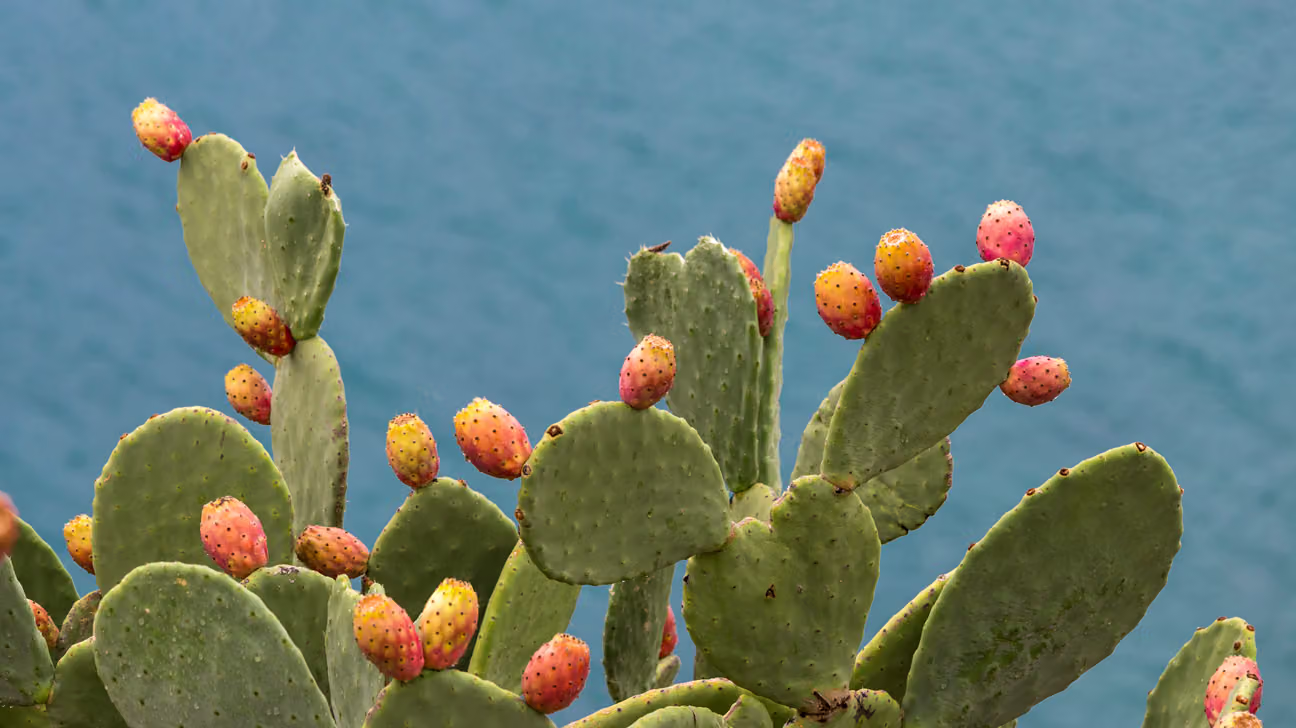
Nopales, the edible pads of the prickly pear cactus, contain antioxidants like ascorbic acid and phenolics that may help fight inflammation. The fruit's flowers also contain betacyanin and betaxanthin.
Research on blood sugar management shows mixed results. A 2014 study with 14 participants found that people with type 2 diabetes who ate nopales with a high-carb breakfast had significantly lower blood sugar and insulin levels compared to a control group. However, a 2019 systematic review found insufficient evidence to support using nopales to reduce the risk of type 2 diabetes, though authors noted it might significantly reduce blood glucose levels.
A 2020 study found that people who drank 3 ounces of prickly pear juice daily for 8 weeks had better range of motion and greater ease with daily activities than those who drank a placebo. Research from 2023 suggests nopales may support liver health by helping reduce triglyceride accumulation.
Prickly pear juice contains electrolytes including potassium, magnesium, and calcium. You can eat fresh nopales by boiling, grilling, or sautéing. Supplements typically contain 500 to 650 milligrams per day. Some people may experience nausea, mild diarrhea, or feeling full when starting out.