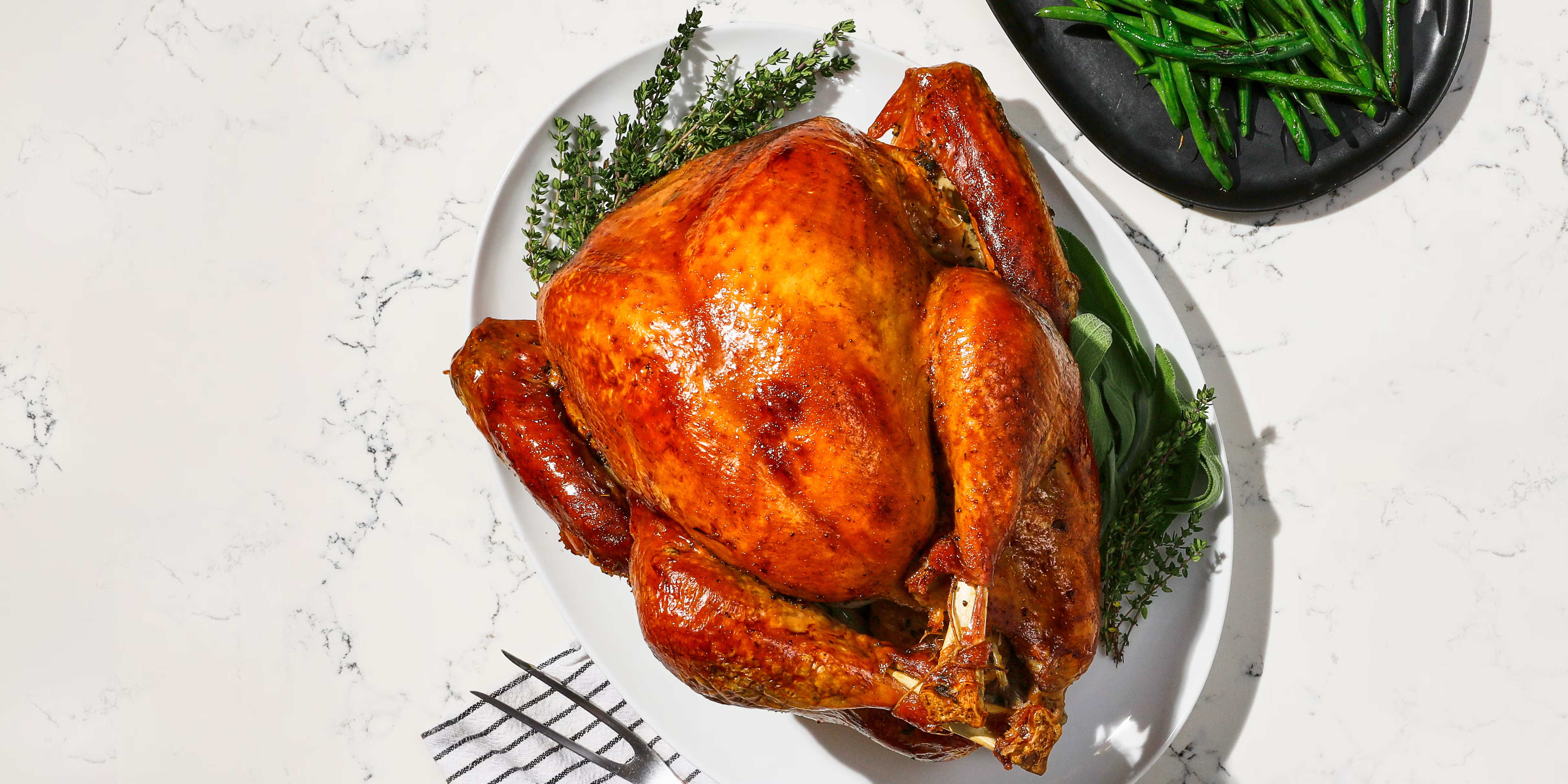
# Smoked Turkey Done Right: The Science Behind a Simple Thanksgiving Bird
Men's Health has published a straightforward Thanksgiving turkey formula that strips away complexity in favor of proven technique. The method combines a five-ingredient brine, a Cajun dry rub, and two hours in a smoker to deliver consistent results.
The approach reflects what food science tells us about poultry preparation. Brining works through osmosis and protein denaturation. Salt in the brine penetrates muscle tissue, allowing it to retain moisture during cooking. A five-ingredient brine keeps the formula manageable for home cooks while delivering the hydration benefit that separates a dry bird from a juicy one. Simpler brines reduce the margin for error compared to elaborate recipes that call for numerous spices and aromatics.
The Cajun rub layer adds flavor and creates a textured crust. Cajun seasoning typically contains paprika, garlic, onion, and cayenne pepper. These spices contain compounds that brown and crisp the skin through the Maillard reaction when exposed to smoke and heat. The rub does double duty: it seasons the meat and builds surface texture that catches smoke flavor more effectively than bare skin.
Smoking turkey for two hours represents a controlled cooking window. Most turkeys reach a safe internal temperature of 165 degrees Fahrenheit well before this time ends, particularly with proper meat thermometer monitoring. The two-hour window likely reflects a medium-sized bird (12-14 pounds). Smoking at this duration allows enough time for smoke penetration without excessive cooking that dries out white meat.
Smoked turkey differs from traditional roasted preparations in several ways. Smoke contains compounds like phenols and aldehydes that create flavor complexity roasted turkey cannot match. The lower cooking temperature in smoking (typically 225-250 degrees Fahrenheit) distributes heat more gently than a 325-degree conventional oven, reducing the risk of overcooked breasts paired with undercooked thighs. Many pitmasters start poultry breast-side down, then flip it to even out cooking.
The simplification matters for Thanksgiving stress reduction. Fewer ingredients mean fewer opportunities for measurement mistakes. A five-ingredient brine requires less prep time than complex brines with multiple spices, citrus, and herbs. The Cajun rub can be mixed minutes before application. These shortcuts allow home cooks to handle turkey preparation alongside other dishes demanding oven time and attention.
Home smokers have become more accessible and reliable in recent years. Temperature control has improved through better insulation and thermometer design. Beginners can now execute consistent results without years of trial and error. A two-hour smoking session fits within realistic Thanksgiving timelines even for households managing multiple side dishes.
The Men's Health formula prioritizes repeatability over innovation. The combination of brining, Cajun spicing, and smoking works because each element serves a specific function. Brining hydrates. The rub flavors and crisps. Smoking imparts complexity. No redundancy exists in the system.
For cooks with smoker access, this method delivers results that typically exceed conventional roasting. For those without smoking capability, the brining and rub technique can transfer to oven roasting or grilling applications. The underlying principles remain sound regardless of heat source.