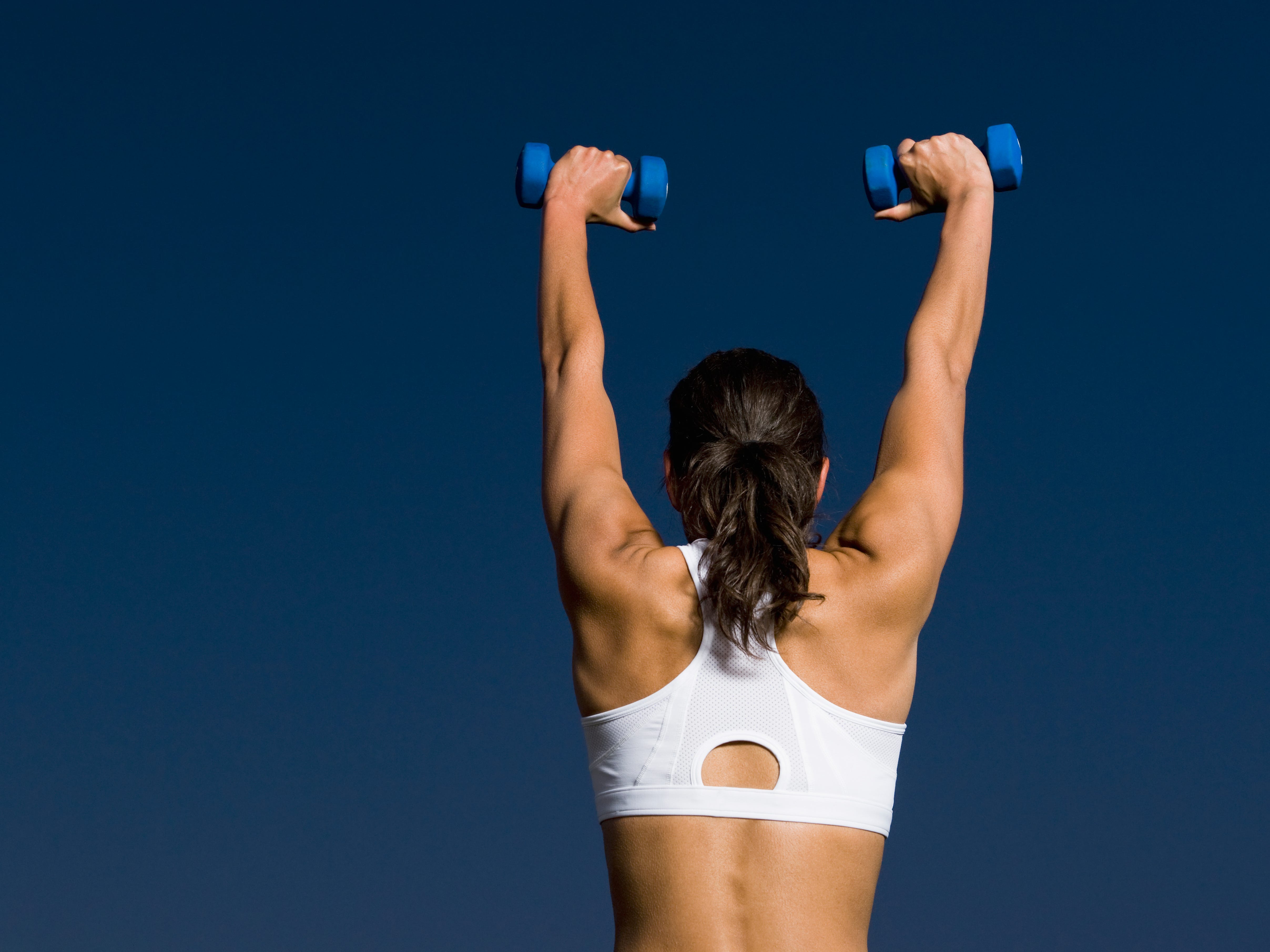
Bailey, a strength coach and founder of Well Mamas Coaching, outlines a four-step approach to fat loss and muscle gain for postpartum women.
Consistency matters more than perfection, Bailey says. "It's not [about] doing it perfectly. It's not having an hour to yourself every single day to do all this magical meal prep and green juicing," she explains. The goal is avoiding the "start-stop cycle" of restarting plans repeatedly.
Strength training with progressive overload forms the foundation. Progressive overload means gradually increasing weight, reps, training frequency, or reducing rest periods. Bailey calls this the "gold standard" because it signals the body to rebuild muscle fibers. She recommends compound exercises like squats, lunges, deadlifts, hip thrusts, and bench press that recruit multiple muscle groups. Four workouts per week lasting 30 minutes or less suffices if progressive overload and compound moves are included.
Protein intake supports muscle repair. Bailey recommends around 30g of protein per meal, which aligns with research showing 25-30g per meal associates with greater lean mass and upper and lower body strength in healthy women. Sources include lean meat, beans, legumes, yogurt, cottage cheese, and canned tuna.
A moderate calorie deficit of 200-400 calories below maintenance prompts fat loss without triggering muscle loss. Bailey notes research found that deficits exceeding 500 calories impaired lean mass gains. Breastfeeding mothers should add 400-800 additional calories daily.
Sleep and stress management support muscle adaptation. Bailey emphasizes that muscle rebuilds during sleep and references research showing shorter sleep duration associates with less fat loss. She suggests adding even a few extra minutes of sleep by reducing doomscrolling or late-night TV. Managing stress through outdoor walks, deep breathing, or guided meditation may help because chronically elevated cortisol may interfere with muscle building.