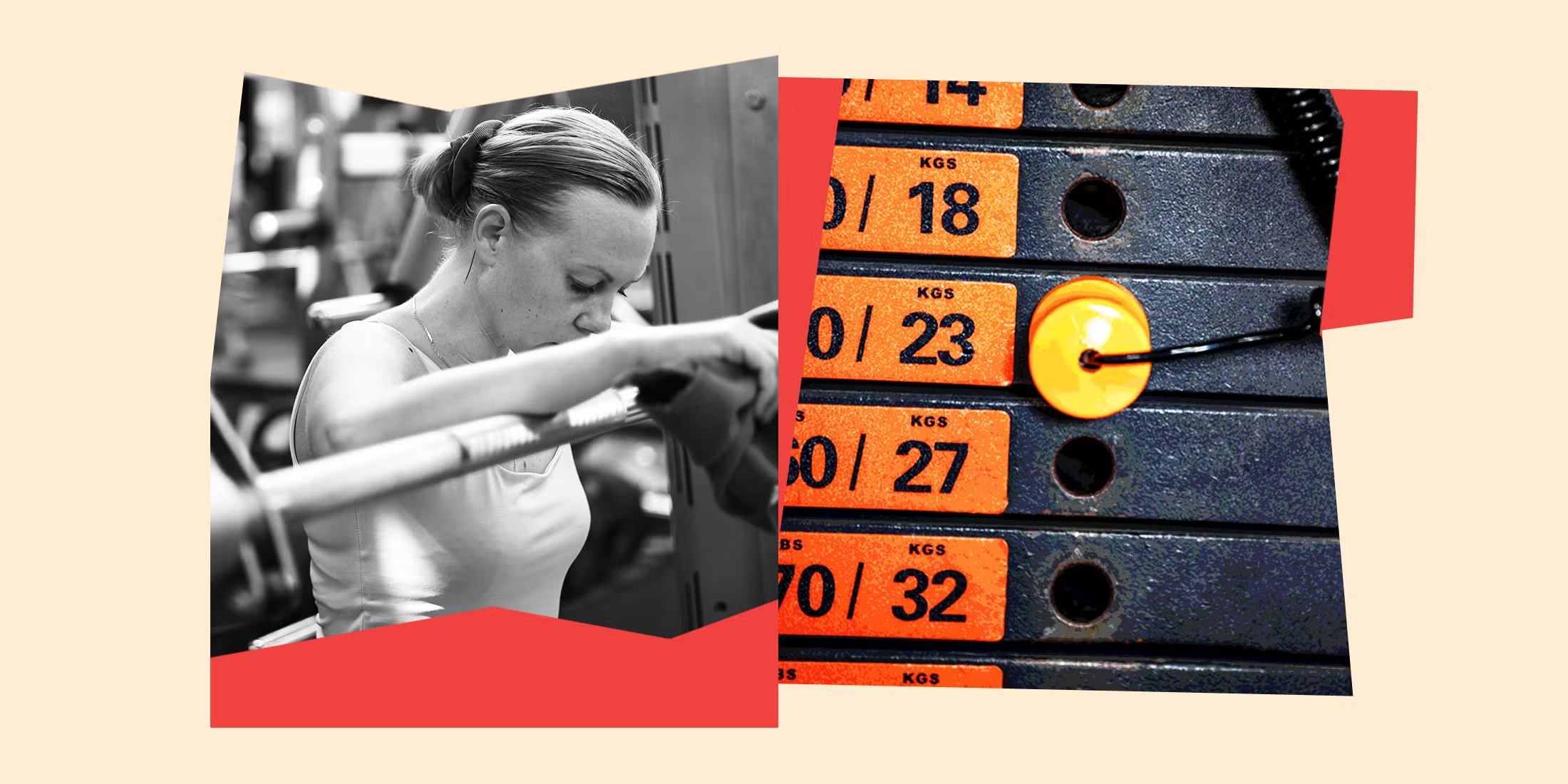
Body recomposition—building muscle while losing fat—can unexpectedly drain your strength. Even with a mild calorie deficit, weights that felt manageable suddenly feel heavier because calories fuel your muscles during exercise. When less energy is available, your capacity in the gym drops.
This strength loss can spiral into a real problem. Consistent weakness in the gym may breed resentment toward your routine, leading clients to skip sessions entirely, according to Cori Ritchey, fitness editor at Women's Health and a certified strength and conditioning coach.
To minimize strength loss during body recomposition, keep your calorie deficit moderate. Dana White, RD, previously told Women's Health that a deficit of 250 to 500 calories per day is enough for sustainable progress. Body recomposition takes time.
Eat before lifting. A carb-heavy snack about an hour before the gym, like peanut butter on toast or a bagel, can power you through a workout. A full meal should come two to three hours before exercising.
When increasing weight feels impossible, use other methods to build strength. Aim for higher rep ranges, slow down the lowering portion of moves, or try harder exercise variations. For example, master an archer push-up instead of adding weight to your bench press, or work toward your first pistol squat instead of loading a back squat more heavily.
Ritchey notes that training close to failure generally means stopping two to three reps short of it. During body recomposition, experimenting with your routine prevents burnout and builds strength in new ways.
Keep your strength work consistent, even if it looks different. Streamline your program to three or four compound exercises if needed. Find a routine you'll actually return to, whether that's at the gym, in a class, or at home with bodyweight work. Every workout counts.