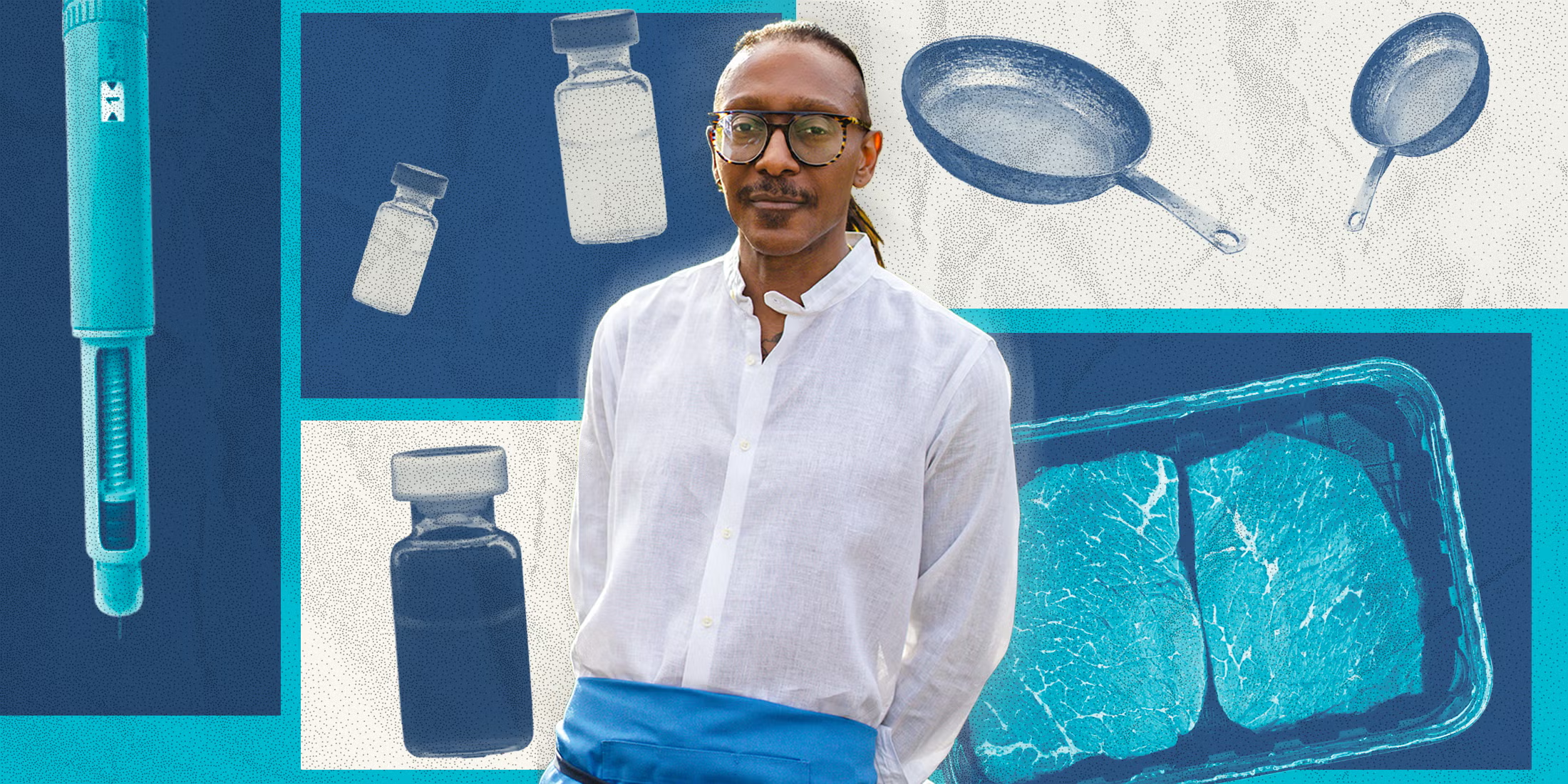
# The Chef Rethinking Food Culture in the GLP-1 Era
A professional chef taking GLP-1 medications is witnessing firsthand how appetite-suppressing drugs reshape the relationship between food preparation, consumption, and pleasure. The insight matters because chefs operate at the intersection of culture, craft, and biology. Their observations signal a brewing shift in how the culinary world must adapt to a demographic that simply eats less volume.
GLP-1 receptor agonists like semaglutide (Ozempic, Wegovy) and tirzepatide (Zepbound, Mounjaro) suppress appetite by mimicking glucagon-like peptide-1, a hormone that signals fullness. The drugs deliver rapid weight loss results, with clinical trials showing 15-22 percent body weight reduction over 68 weeks. More Americans use these medications annually, with adoption jumping from 500,000 users in 2021 to an estimated 4 million by 2024.
The chef's core observation cuts deeper than simple appetite suppression: "I don't want less pleasure. I want less eating that isn't actually giving me pleasure." This articulates a quality-over-quantity philosophy that upends restaurant economics and food marketing. Traditional restaurant models rely on volume consumption. Larger portions, frequent upgrades to premium items, and repeat visits build revenue. A GLP-1 user consuming half the volume poses a direct financial threat to that model.
But the chef sees an opportunity for culinary reinvention. High-end restaurants already emphasize small, deliberately composed portions paired with technique and precision. Michelin-starred establishments serve 15-course tasting menus in portions often smaller than standard restaurant meals. That model actually aligns with how GLP-1 users must eat. Each bite demands attention and satisfaction.
The implication extends to food manufacturing, restaurant chains, and meal-prep companies. Portion sizes engineered for maximum consumption lose relevance. Marketing shifts away from "more food for less money" toward "intentional, satisfying, nutrient-dense meals." Food quality becomes the selling point rather than quantity.
Restaurants already report changes. High-end establishments see stable revenue despite smaller portions because customers pay premium prices for curated experiences. Casual dining chains struggle as GLP-1 users buy smaller or fewer items. Buffets face particular pressure. All-you-can-eat models collapse when customers eat substantially less.
The nutritional angle matters too. Smaller portions require denser nutrition. A GLP-1 user consuming 1,200-1,500 calories daily cannot afford empty calories or nutrient-poor fillers. Whole grains, lean proteins, vegetables, and healthy fats dominate necessity. Processed foods optimized for taste rather than nutrition become economically irrational for both consumers and producers.
This chef's perspective reflects a broader cultural recalibration. For decades, Western food culture normalized overconsumption as success. Larger portions signaled value. Indulgence was aspirational. GLP-1 adoption, whether viewed as medical breakthrough or controversial weight-loss trend, forces confrontation with that logic. The question becomes not "how much can I eat?" but "what actually nourishes and satisfies me?"
The culinary industry stands at a pivot point. Chefs embracing intentionality, precision, and quality over volume position themselves for a market where millions eat less but expect significantly more from every meal. The future of food, this chef suggests, stops celebrating quantity and starts celebrating the pleasure that only genuinely good food provides.