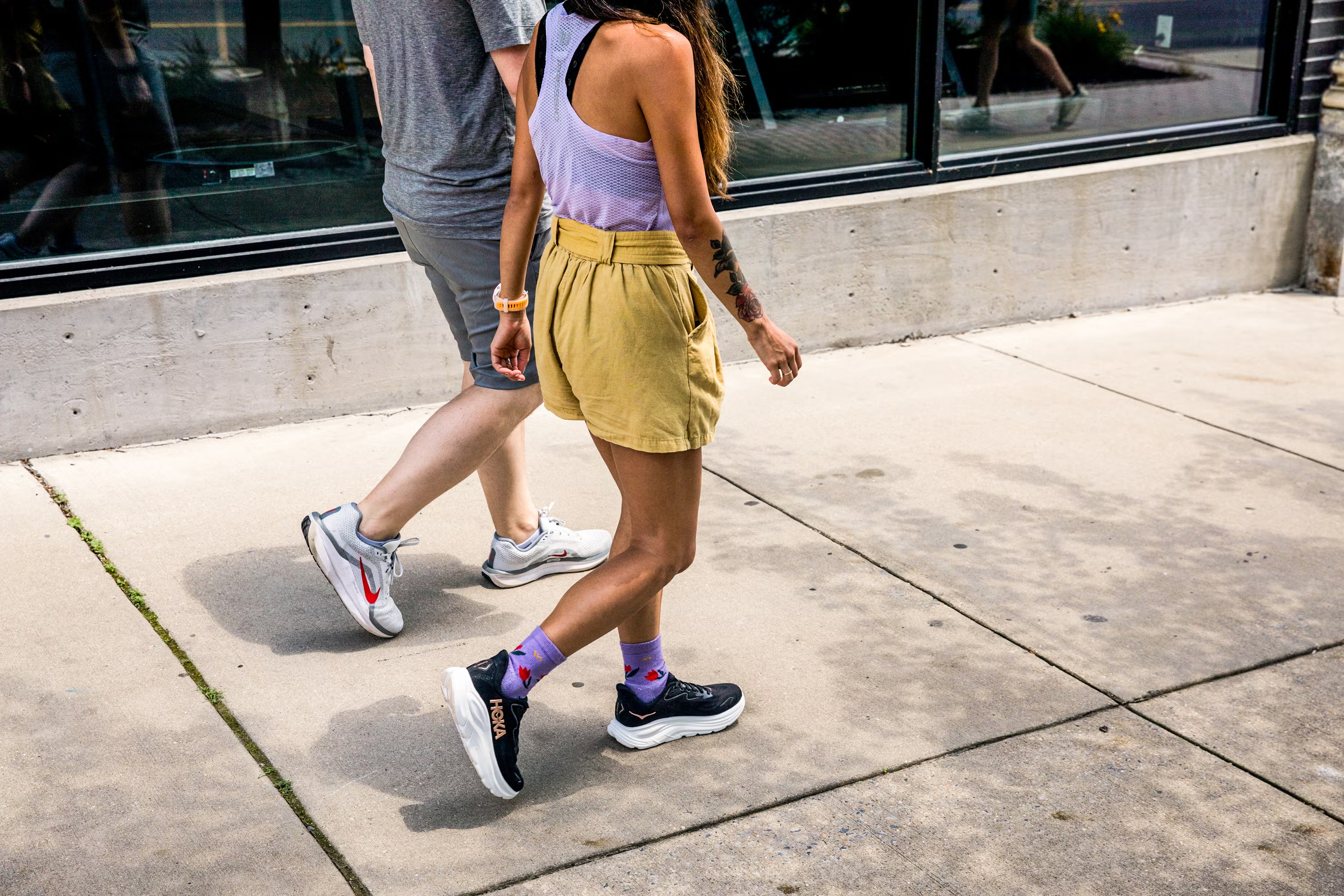
# The 9 Best Walking Shoes That Give You Support and Comfort All Day Long
Walking shoes need to balance two competing demands: cushioning for comfort and support to keep your feet stable. The right pair prevents blisters, reduces foot fatigue, and can make the difference between enjoying a daily stroll and limping home with sore arches.
Runner's World tested nine trainers designed specifically for walking and casual movement. The selection spans different foot types, budgets, and activity levels. From soft, well-cushioned options to shoes with firmer support structures, these models address the primary complaints walkers report: heel pain, arch collapse, and ball-of-foot pressure.
Most modern walking shoes share core design features. Dual-density midsoles combine softer foam in the heel with firmer material underfoot for stability. Rocker geometry lifts the toe slightly to reduce strain on the forefoot. Breathable uppers prevent sweat buildup during longer walks. Heel cups secure the foot and prevent slippage on uneven terrain.
Fit matters more than brand. A shoe that works for someone with high arches may feel restrictive for someone with flat feet. Proper walking shoes provide snug heel contact without pinching the midfoot. The toe box needs room to splay naturally as you walk, but not so much that your foot slides forward with each step. Most people need a half-size larger in walking shoes than in casual sneakers.
Arch support varies by shoe. Some models include structured insoles with pronounced arch wings. Others rely on midfoot shaping to guide foot motion. Walkers with plantar fasciitis or fallen arches typically benefit from higher support. Those with neutral arches tolerate minimal support structures.
Weight matters too. Heavier shoes increase the energy cost of walking. Studies show that every additional ounce per shoe affects stride efficiency. Walking shoes typically weigh between 7 and 9 ounces per shoe. Lighter options work for shorter casual walks. Heavier, more cushioned shoes suit longer distances or people with significant pain issues.
Breaking in walking shoes takes time. New shoes feel stiff because the materials haven't adapted to your foot shape. Wear them for short walks before committing to longer distances. Most shoes reach full comfort within two to three weeks. If pain persists beyond that, the shoe simply doesn't match your foot.
Replacement timing affects performance. Walking shoes begin losing cushioning properties after 300 to 500 miles. Compressed foam no longer absorbs impact effectively. Worn treads reduce traction on wet surfaces. Replacing shoes at this interval maintains comfort and injury prevention benefits.
Weather and terrain change shoe requirements. Waterproof uppers protect in rain but reduce breathability. Aggressive treads help on loose gravel or trails. Road walking requires less tread, allowing lighter, more flexible shoes. Matching shoe selection to your typical walking environment extends shoe life and improves comfort.
The best walking shoe for you depends on your individual foot structure, the distances you cover, and where you walk. Testing multiple models reveals what your feet actually prefer, not what marketing claims suggest. Focus on how the shoe feels during a walk, not in the store.