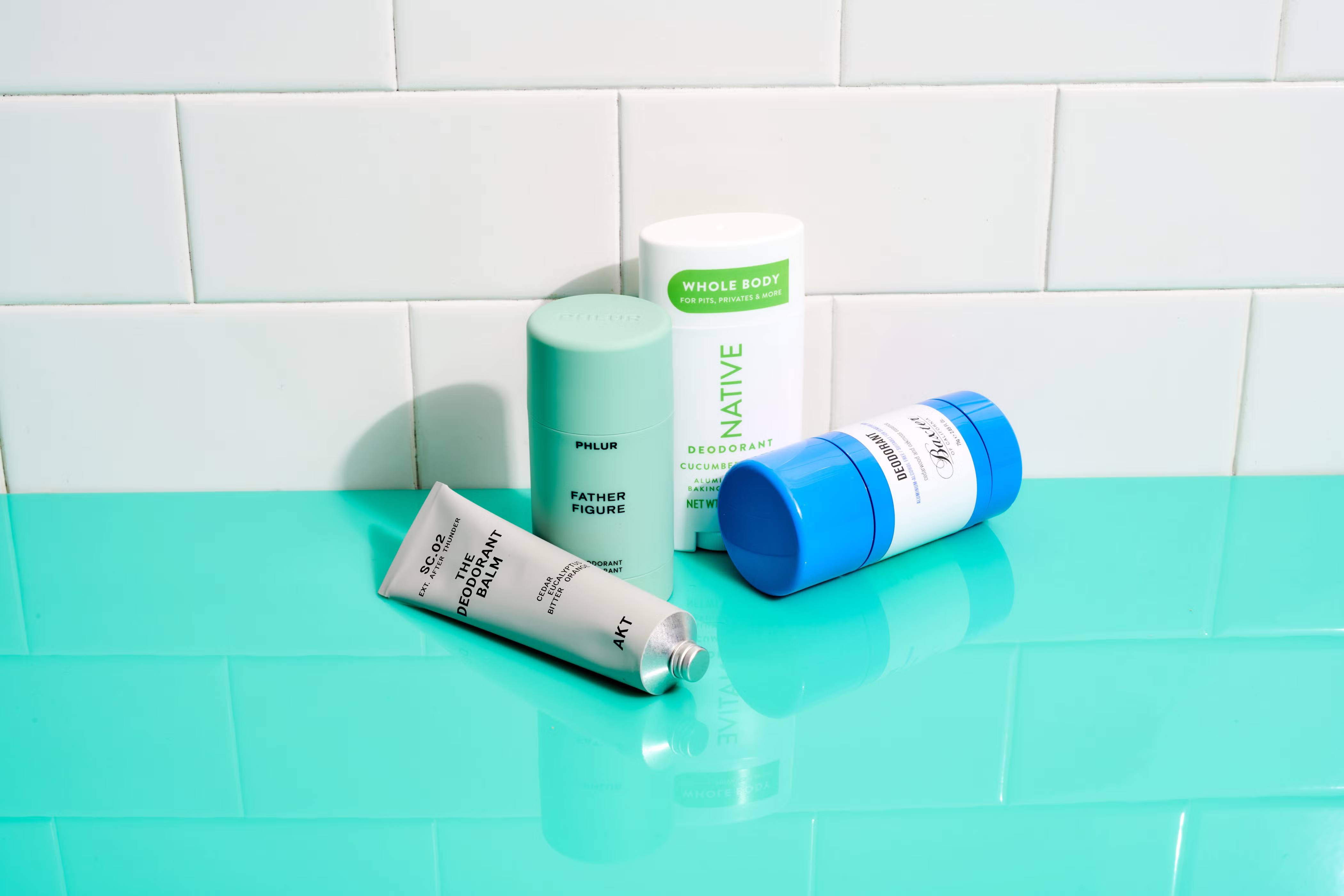
# The Best Men's Deodorants of 2026: What Grooming Experts Actually Tested
Men's Health grooming editors tested leading deodorant formulas to identify the top performers for 2026. The testing process evaluated sweat protection, odor control, skin compatibility, and long-wearing performance across different activity levels and climate conditions.
Deodorant selection matters more than many men realize. The product sits against sensitive underarm skin daily, absorbing moisture and trapping bacteria that create odor. Poor choices lead to staining, skin irritation, or inadequate protection during workouts and professional settings. The tested products span multiple categories: antiperspirants that block sweat, deodorants that mask odor only, and hybrid formulas combining both functions.
The 2026 deodorant market reflects several shifts in consumer preferences. Men increasingly choose aluminum-free options despite evidence that aluminum antiperspirants remain safe for regular use according to the FDA and dermatological research. Natural ingredient lists attract buyers willing to trade some sweat protection for reduced chemical exposure. Fragrance profiles have evolved beyond generic "sport" scents toward nuanced options balancing effectiveness with subtle appeal.
Testing methodology focused on real-world performance. Editors wore products during varied activities: sedentary office work, moderate exercise, and intense training sessions. They assessed how long protection lasted, whether deodorant transferred to clothing, how the formula felt against skin during and after application, and whether any irritation developed over weeks of continuous use.
Sweat blocking capacity varies significantly across products. Antiperspirant formulas containing aluminum chlorohydrate or aluminum zirconium compounds reduce moisture output by 20 to 50 percent depending on strength. Deodorant-only products provide zero sweat reduction but excel at neutralizing odor through baking soda, charcoal, or enzymatic ingredients. Hybrid formulas attempt both functions with varying success. Stronger antiperspirants work better for heavy sweaters but risk irritation during shaving or in warm climates. Lighter formulas suit men with sensitive skin or those prioritizing comfort over maximum protection.
Scent longevity emerged as another testing criterion. Many deodorants fade within hours, requiring reapplication. Premium formulas maintain fragrance intensity for 8 to 12 hours. Some men prefer this because it masks natural body odor throughout the day. Others find persistent fragrance overpowering, especially in enclosed spaces.
Application texture affects daily experience significantly. Stick formulas dry quickly and apply cleanly without residue. Aerosol sprays offer broad coverage but require more careful application to avoid over-spraying. Gel and roll-on options provide targeted application but take longer to dry. Cream formulas deliver premium feel but stain more easily.
Clothing stains present a persistent problem with many deodorants. Yellow marks appear from antiperspirant ingredients reacting with sweat and fabric dyes. Editors tested whether products left visible stains on white and dark clothing after normal wearing. The best performers in testing provided sweat protection without discoloring garments.
The grooming editors' testing reveals that no single deodorant performs optimally for every man. Choice depends on climate, activity level, skin sensitivity, and personal scent preferences. Men facing excessive sweating benefit from stronger antiperspirants despite potential irritation. Those with reactive skin or preference for natural products accept reduced protection for formula gentleness. The tested options provide data-backed alternatives regardless of priority.