# The Best Outdoor Gear for Every Adventure
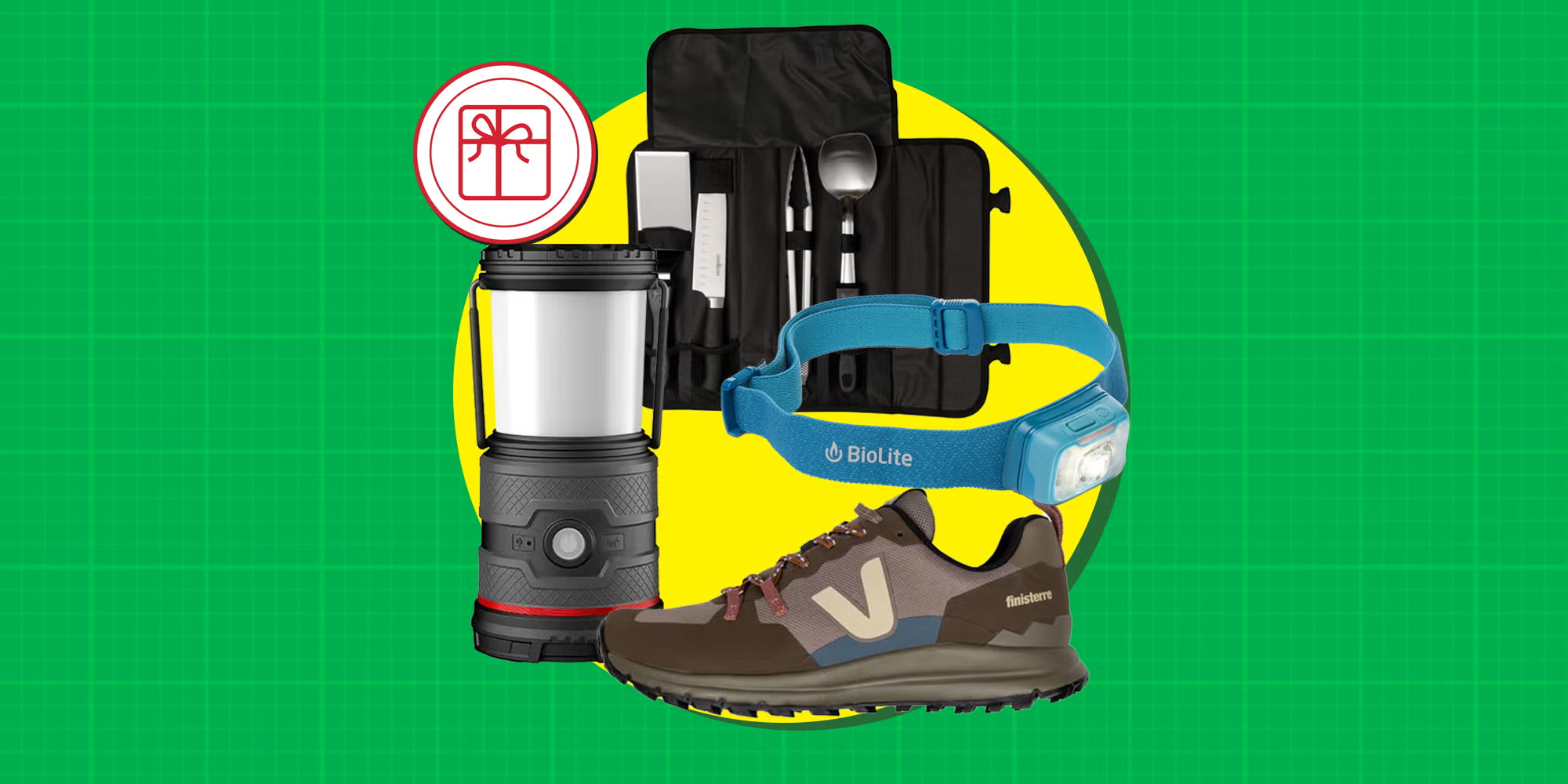
Men's Health compiled a curated list of 38 outdoor gear items that fitness and adventure experts actually use and recommend. The selection spans multiple categories, from hiking and camping equipment to weather protection and navigation tools. What separates this roundup from typical gear guides is the focus on products that professionals actively rely on during their own expeditions and training.
The list includes essentials across several domains. Backpacks and carrying systems appear alongside apparel designed for temperature regulation and moisture management. Footwear receives dedicated attention, with boots and trail shoes tested for durability on real terrain. Shelter options range from lightweight tents to emergency bivvies. Cooking equipment, water filtration systems, and navigation devices round out the practical categories.
Expert recommendations matter in outdoor fitness because gear failures create real consequences. A pack that distributes weight poorly can damage your lower back on a three-day trek. Inadequate moisture-wicking layers lead to hypothermia. Poor-quality water filters expose you to pathogens. When experts recommend specific products, they're drawing from repeated use in challenging conditions, not theoretical analysis.
The inclusion of fast shipping options reflects how modern outdoor athletes shop. Training schedules don't pause for delayed deliveries. Weekend hiking trips demand immediate gear access. The emphasis on quick fulfillment suggests the guide targets active people with limited planning windows, not just casual gear collectors.
Outdoor gear selection connects directly to performance metrics. Research shows that proper footwear reduces injury risk during trail running by up to 15 percent. Appropriate layering systems maintain core temperature stability, enabling longer training sessions at higher intensities. Quality backpacks minimize energy expenditure during load carriage, letting athletes work harder on the actual workout rather than fighting their equipment.
The breadth of 38 items reflects the complexity of outdoor training. Beginners often underestimate how many systems must work together. A single failed element, whether that's a broken headlamp, inadequate water storage, or unreliable map navigation, can end a training block prematurely. Expert-vetted lists eliminate guesswork by identifying products that solve real problems consistently.
This type of gear guide serves multiple audiences. Experienced athletes use it to discover new products from brands they haven't tested. Beginners find a structured entry point into outdoor training without purchasing ineffective equipment. People planning their first backpacking trip or ultra-distance trail run avoid common mistakes that waste money and create safety risks.
Outdoor training requires functional equipment because conditions change rapidly and unpredictably. A treadmill malfunction means you run outside instead. A failed outdoor gear system might mean you stop running entirely. That distinction explains why experts invest heavily in reliability and why their recommendations carry weight.
The integration of gear selection into training planning matters for consistency. Athletes who own reliable equipment complete more training sessions and build stronger fitness foundations. Those struggling with suboptimal gear experience more cancellations and longer recovery periods from injuries triggered by inadequate support or protection.