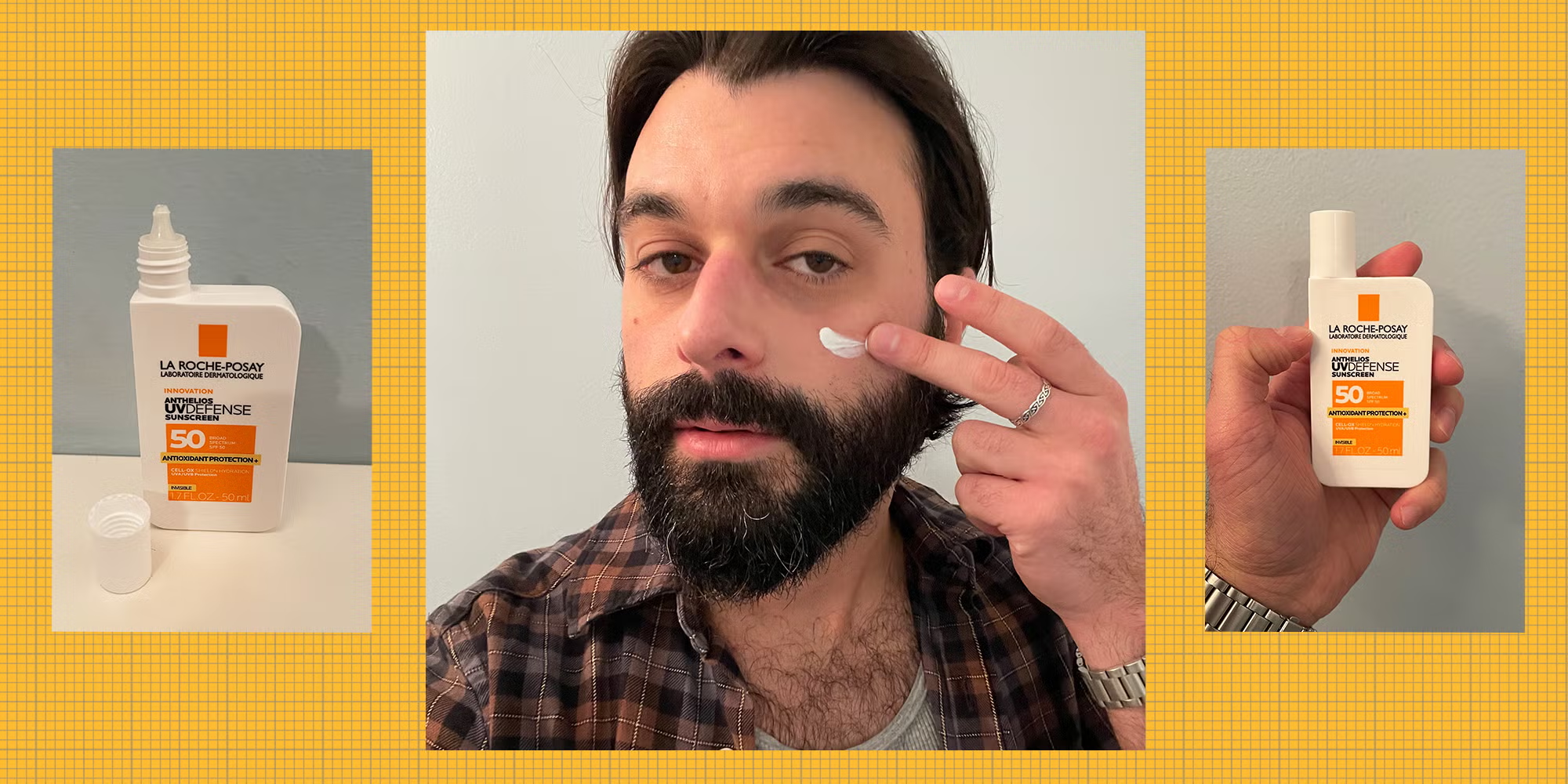
# America Finally Approved This Sunscreen Ingredient After 27 Years. I Put It to the Test.
The FDA approved bis-ethylhexyloxyphenol methoxyphenyl triazine (BEMT) as a sunscreen active ingredient in 2024, ending a 27-year regulatory process that kept this proven UV filter off American shelves while Europeans and Australians benefited from its protection. The approval marks a rare victory for skincare innovation in a market starved for new sun protection options.
BEMT functions as a broad-spectrum UV filter, meaning it blocks both UVA and UVB radiation. Unlike avobenzone, which degrades quickly under sunlight, BEMT remains stable throughout sun exposure. This stability translates to more consistent protection over time, a property that dermatologists and formulators have long sought.
The ingredient already commands significant market share in Europe and Australia under the brand name Tinosorb M. European regulatory bodies approved BEMT decades ago based on safety data showing low dermal penetration and minimal systemic absorption. American consumers can now access sunscreen formulations that leverage this technology without relying solely on mineral blockers like zinc oxide and titanium dioxide or aging chemical filters.
The extended FDA approval timeline reflects the agency's conservative approach to novel sunscreen ingredients. The organization demanded exhaustive safety studies before clearing BEMT for American use. This caution protects consumers but creates a 27-year gap between international and domestic access. Other approved chemical filters in the US include oxybenzone, octinoxate, and avobenzone, though growing concerns about oxybenzone's environmental impact and avobenzone's instability have prompted formulators to seek alternatives.
BEMT enters a market hungry for innovation. The sunscreen category stalled for years after the FDA's 2019 announcement that only 16 ingredients met efficacy standards, with most being grandfathered approvals from decades past. Consumers desperate for options that don't leave white casts or feel greasy now have access to formulations combining BEMT with other filters for enhanced protection and cosmetic elegance.
The testing phase reveals why formulators welcomed this ingredient. Products containing BEMT demonstrated strong water resistance, even after extended swimming. Testers reported improved texture compared to sunscreens relying heavily on mineral blockers. The ingredient mixes seamlessly with moisturizers, serums, and other skincare products without pilling or leaving residue.
Dermatologists view BEMT's approval as overdue. Dr. representatives from major medical organizations have pointed to the 27-year lag as a regulatory failure that forced Americans to choose between inferior options. International travel often exposes US consumers to superior sunscreen formulations unavailable at home, highlighting the approval gap.
Price points for BEMT-containing products remain competitive with established brands. Early formulations launched by major sunscreen manufacturers slot into mid-range pricing. As competition increases, consumers can expect costs to stabilize or decline.
The approval also signals potential movement on other pending ingredients. The FDA maintains a nonfinished business list of sunscreen actives awaiting review. BEMT's path, while lengthy, demonstrates the agency's willingness to approve novel filters when evidence supports safety and efficacy.
Sun protection continues ranking among dermatology's top preventive measures for skin cancer and photodamage. Expanding the ingredient toolkit helps more consumers find products that fit their skin type, climate, and lifestyle. BEMT represents meaningful progress toward that goal.