# The 6 Best Resistance Bands For a Killer Workout Anywhere
Resistance bands deliver muscle-building stimulus comparable to traditional weights, according to exercise science. The stretching rubber creates progressive overload through increasing tension, which triggers the same mechanical tension and muscle damage pathways that dumbbells and barbells activate.
Unlike fixed weights, bands shift the resistance curve. The farther you stretch them, the harder they become. This creates accommodating resistance, where the load increases through the range of motion. Muscles face maximum tension at peak contraction, the point where they're strongest and can produce the most force. Research from institutions studying resistance training mechanics confirms that bands produce similar hypertrophy outcomes to conventional weights when tension and volume match.
The portability advantage separates bands from traditional equipment. A complete set weighs ounces and fits in a gym bag or suitcase. This removes the excuse of traveling, time constraints, or limited space. Athletes, desk workers, and busy parents can execute compound movements like chest presses, rows, leg exercises, and shoulder work anywhere. Hotels, offices, and backyards become training locations.
Resistance bands work across all experience levels. Beginners use lighter colors and tension to learn movement patterns without injury risk. Advanced trainees layer multiple bands together, creating resistances equivalent to 100-plus pounds. This scalability makes one set functional for progression across years of training.
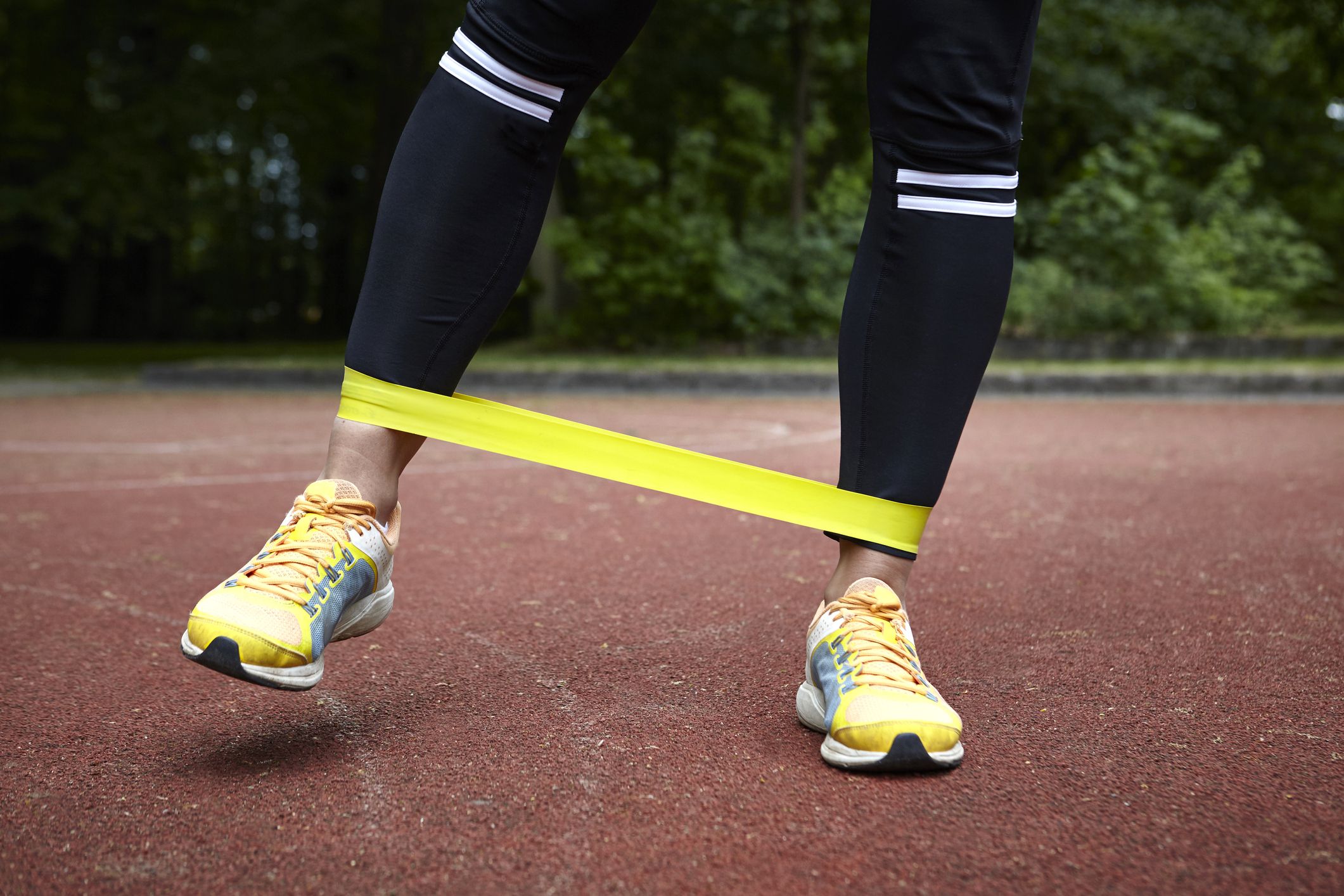
The 6 best bands for serious workouts include loop bands, therapy-style bands, and tube-style bands with handles. Loop bands, made from continuous rubber circles, suit lower body work and assisted pullups. Flat therapy bands offer variable length and work for upper body pressing and pulling. Tube bands with handles mimic dumbbell movements and reduce setup time.
Brands like Rogue, TheraBand, and WOD Nation manufacture quality options that withstand heavy use. Loop bands from these manufacturers handle layering without snapping. Tube bands feature secure anchor points and padded handles for comfort during pressing movements.
Training with bands requires intention. They don't force a specific path like barbells, so lifters must maintain control and proper positioning. This demands core engagement and stabilizer muscle recruitment, creating additional benefits beyond primary movers.
The resistance band market expanded significantly as home training became mainstream. Equipment shortages during pandemic lockdowns proved that serious athletes could maintain muscle mass without commercial gym access. Studies tracking lifters using only bands versus lifters using only weights showed comparable strength and size gains over 8 to 12 week blocks.
Cost makes bands practical for budget-conscious trainees. A complete set of quality bands costs 30 to 50 dollars. Quality dumbbells for equivalent load variety cost hundreds. This economics advantage opens training access to more people.
Bands work best combined with bodyweight movement and basic equipment. A band plus pullup bar or suspension trainer creates programming variety. Adding dumbbells or kettlebells when available increases options without making bands obsolete.
Progressive overload through bands happens via increased layers, slower tempos, and movement variations. Adding reps, extending time under tension, or switching from bilateral to unilateral variations all create adaptation stimulus. Lifters who understand progression principles build muscle effectively with rubber just as efficiently as with iron.