# Rucking: The Low-Impact Strength Training Method That Works Anywhere
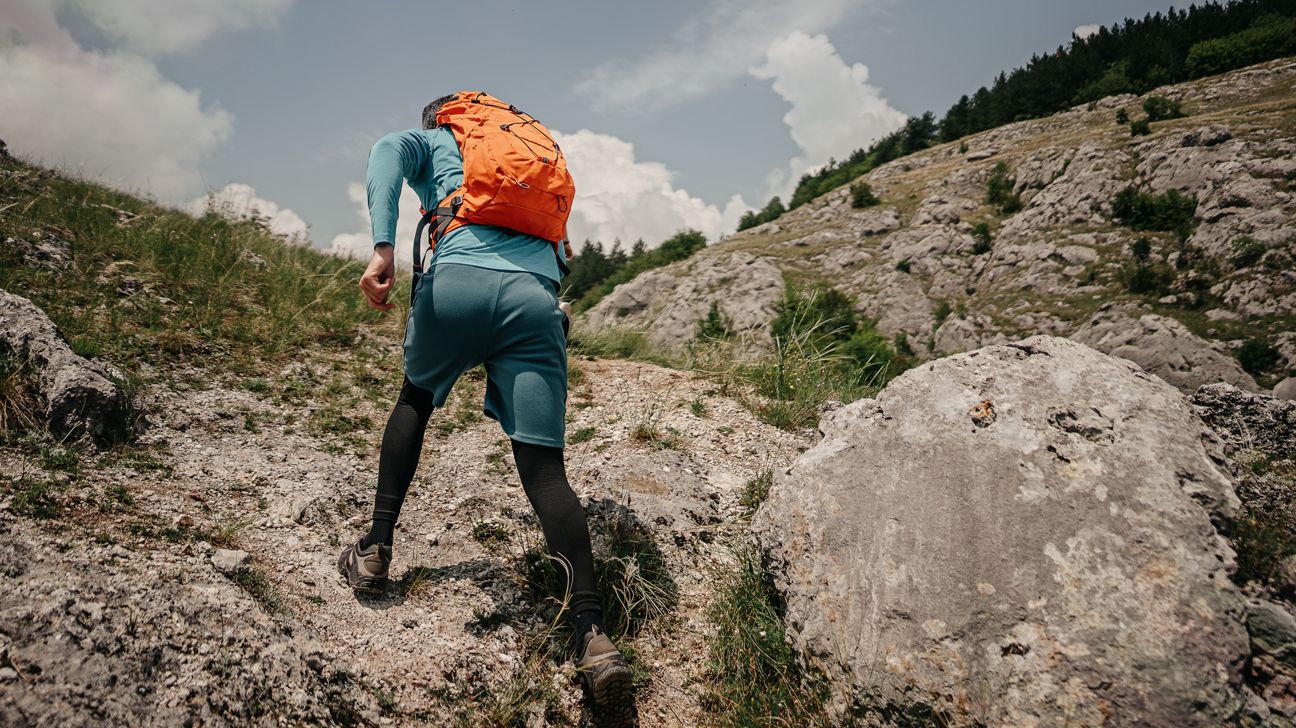
Rucking delivers genuine strength and endurance gains while asking almost nothing of your schedule or budget. The practice involves walking with a weighted backpack, creating resistance training and cardiovascular stress simultaneously without requiring a gym membership or specialized equipment.
The method works because of how your body responds to loaded movement. When you walk with added weight, your legs, core, and posterior chain engage to stabilize and propel your body forward. This recruits muscle fibers across multiple groups, turning a simple walk into a compound exercise. The cardiovascular demand rises too. Your heart works harder to fuel the extra load, building aerobic capacity alongside strength.
Research backs the dual benefits. Studies on loaded walking show participants improve lower body strength, increase bone density, and burn more calories than unweighted walking. One 2023 study published in the Journal of Strength and Conditioning Research found that loaded walking at moderate intensity produced strength gains comparable to traditional resistance training for untrained populations. The calorie burn jumps significantly. A 180-pound person walking at three miles per hour burns roughly 250 calories. Add a 25-pound backpack and that number climbs to 380 calories over the same duration.
The entry point is simple. Start with a backpack weighing 10 to 15 percent of your body weight. A 160-pound person should begin with 16 to 24 pounds. This prevents overload while your body adapts to the new stimulus. Focus on posture first. Keep shoulders back, core engaged, and avoid leaning forward. Poor form turns rucking into a joint-stress exercise rather than a muscle-building one.
Distance and duration matter less than consistency. Begin with 20 to 30 minute walks at a comfortable pace. Once you can complete that distance without form breakdown, add weight gradually. Increase by two to five pounds every two to three weeks. Eventually, progress to longer distances or faster paces. Some ruckers work up to 45 minute sessions carrying 45 to 60 pounds, though this takes months of adaptation.
The accessibility factor sets rucking apart from traditional strength training. You can ruck anywhere. Walk your dog, push a stroller, run errands to the store, listen to podcasts, or take calls. The barrier to entry is nonexistent for most people. A basic backpack you already own works fine. Weighted backpacks designed for rucking cost $100 to $400, but they are optional.
Progression strategy prevents plateaus. After four to six weeks at a given weight and distance, your body adapts and the stimulus weakens. Increase either weight or distance, not both simultaneously. A typical progression cycle might look like this. Week one through three at 25 pounds for 30 minutes. Week four through six at 27 pounds for 30 minutes. Week seven through nine at 27 pounds for 35 minutes.
Joint stress remains low because rucking is walking, not running or jumping. Impact stays controlled. Your knees, hips, and ankles experience pressure but in a predictable, manageable way. People recovering from lower body injuries often use rucking as a bridge back to higher intensity training.
Rucking fills the gap between walking and strength training. It builds muscle, improves endurance, burns calories, and requires almost no infrastructure to start. The only real requirement is consistent effort over weeks and months.