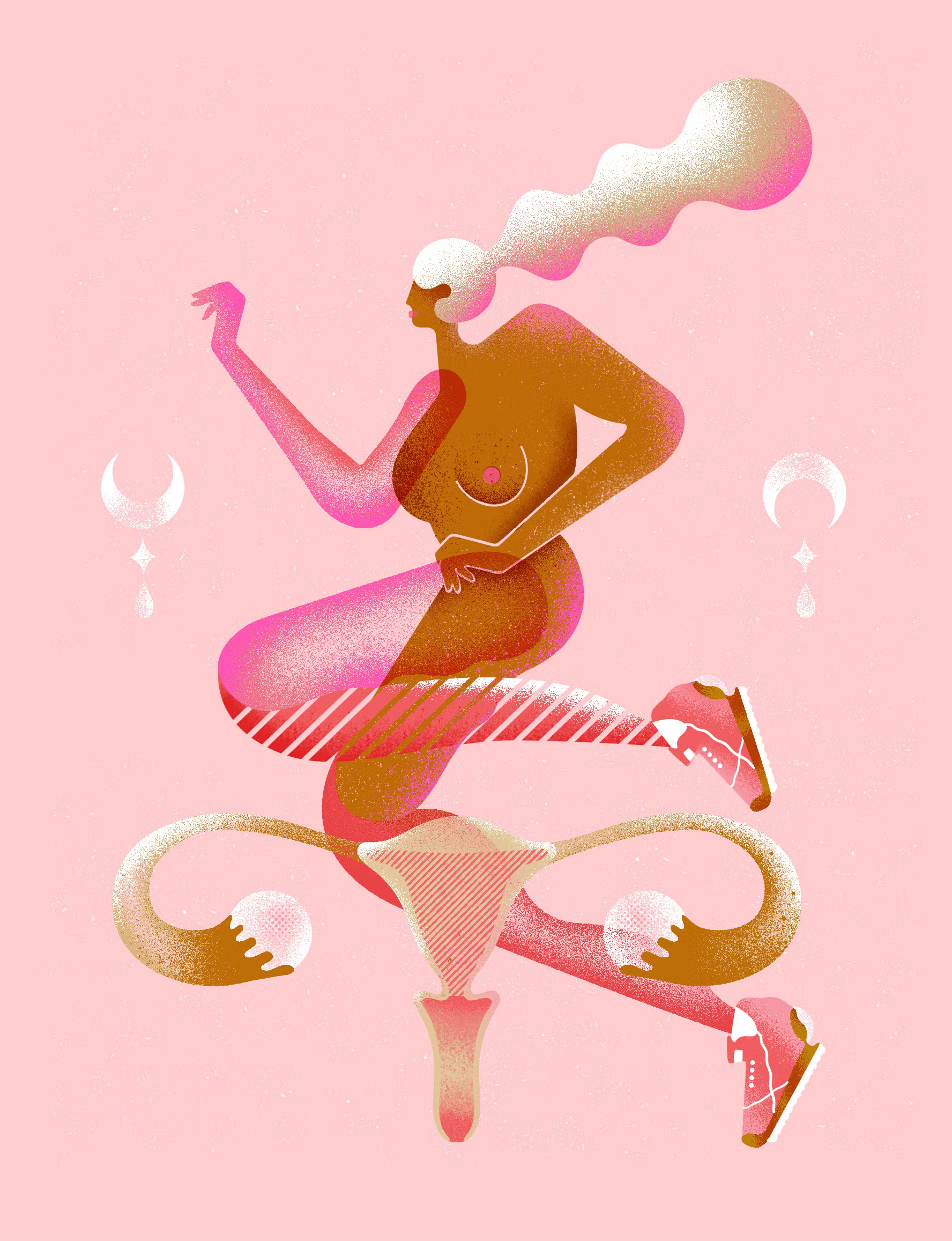
A runner's irregular menstruation was attributed to her high mileage for years, until a blood test revealed polycystic ovary syndrome (PCOS) as the actual cause. The author began menstruating at age 13 alongside her running career but experienced only four periods per year throughout high school cross-country. Multiple doctors advised her that running caused the irregular cycles and suggested she eat more, dismissing concerns without conducting blood work.
At age 19, a new primary care physician ordered blood tests and a pelvic ultrasound. Results indicated PCOS, the most common endocrine disorder in people assigned female at birth of reproductive age, according to the American Journal of Obstetrics and Gynecology. The National Institutes of Health requires only two of three symptoms for diagnosis: ovulatory dysfunction, high androgen levels, or cysts on the ovaries. PCOS can cause infertility and weight gain alongside irregular menstruation. Some patients manage symptoms through lifestyle changes including eating well, exercising regularly, and getting enough sleep, though no permanent cure exists.
The author returned to running after her diagnosis and later began taking an herbal supplement others with PCOS recommended. Combined with moving to a new living situation and working with a therapist, her menstrual cycle became regular by age 21. She has since completed two half marathons while maintaining regular periods throughout training cycles.
A 2022 health survey found that 29 percent of women and 21 percent of men felt doctors disregarded their concerns during medical visits. The author notes that running, which doctors blamed for her symptoms, actually brought her relief.